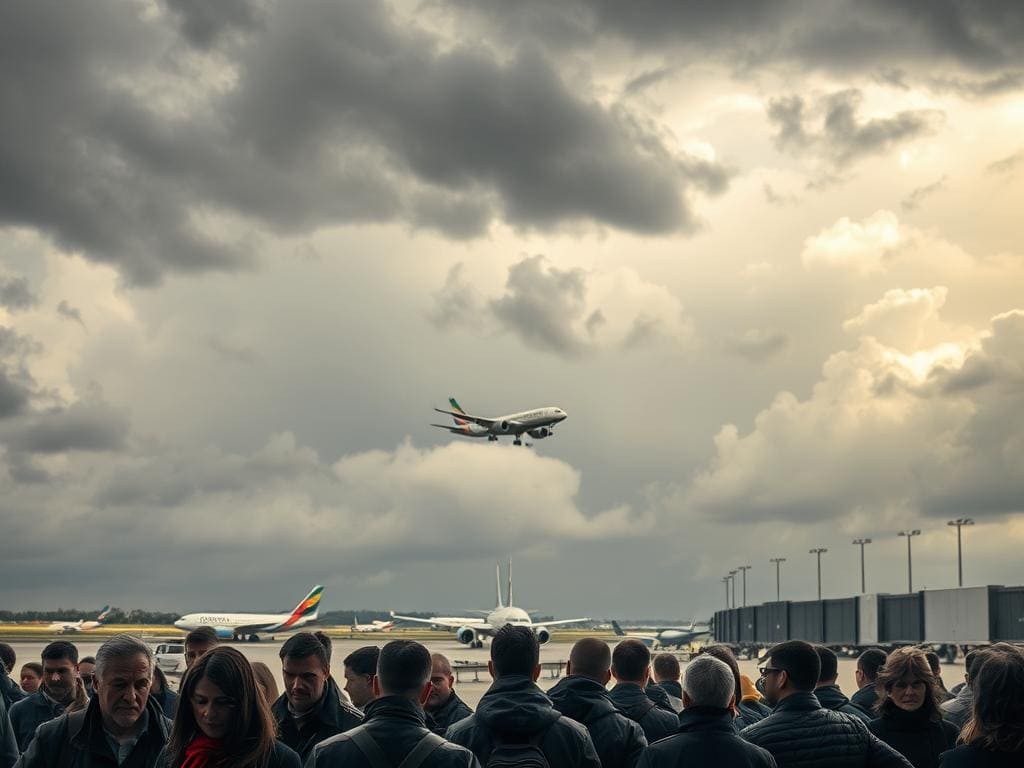
I was sitting by the window on a flight, watching clouds outside. The engines’ hum was comforting, reminding us of our safety in the sky. But what if that sound went away? It’s a scary thought for many.
But, airplanes can glide, balancing fear with hope. When engines fail, planes are designed to control and safely land. I want to explore how planes glide, how altitude affects distance, and share stories like U.S. Airways Flight 4951.
By understanding these emergencies, we can turn fear into knowledge and readiness.
Key Takeaways
- Most general aviation airplanes can glide about 1.5 miles for every 1,000 feet of altitude.
- A GA airplane at 4,000 feet can glide approximately 6 nautical miles before landing.
- Aircraft are designed to handle significant G forces, promoting safer emergency landings.
- Engine failures often stem from preventable issues like fuel starvation.
- Understanding best glide speeds is key for pilots in emergencies.
- Successful glide outcomes depend on altitude and aircraft management.
Understanding the Basics of Glide Mechanics
Learning about glide mechanics is key for pilots, mainly in emergencies like engine failure. The way lift from aircraft wings and the best airspeed work together is vital. This knowledge helps pilots control their descent and glide better.
The Role of Aircraft Wings in Gliding
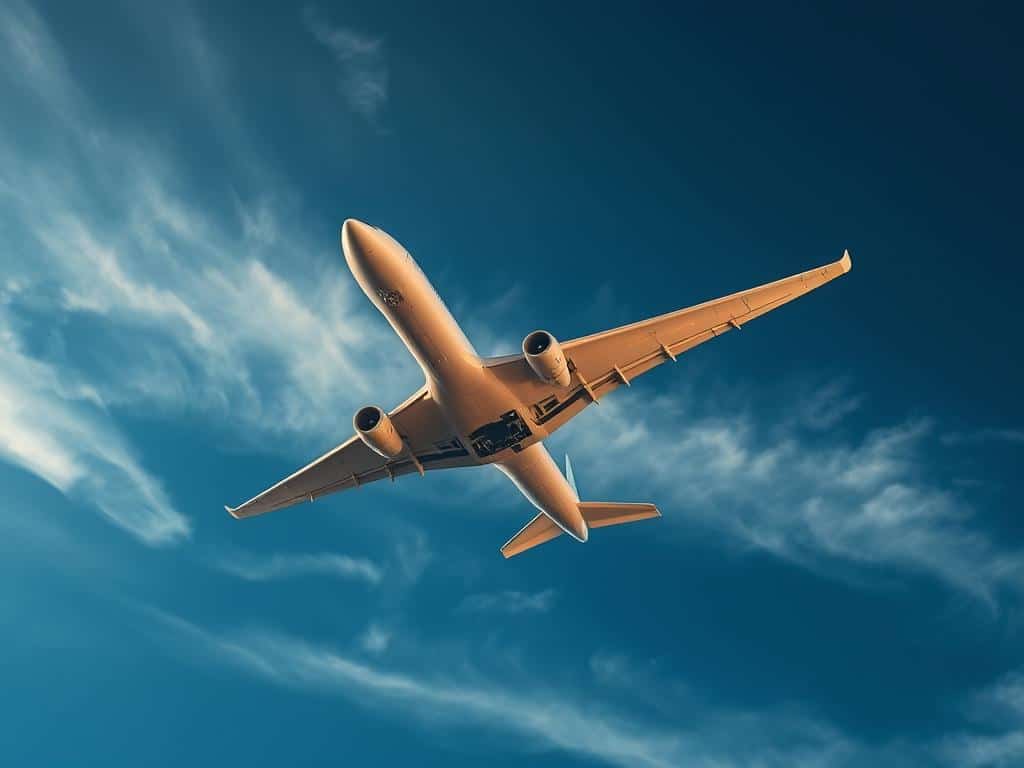
Aircraft wings are made to create lift, which is key for gliding. When the engine stops, the wings help the plane stay up while it slowly goes down. Their design affects airflow, which is important for gliding.
Pilots need to know how different wing shapes impact lift and drag. This knowledge is essential for a safe glide.
What is Best Glide Speed?
Best glide speed is the airspeed that lets an aircraft travel the farthest while losing the least altitude. Knowing this speed can save lives in emergencies. For example, the Cessna 172S Skyhawk SP has a best glide speed of 68 knots indicated airspeed (KIAS).
Staying at this speed after the engine fails helps pilots glide farther. It’s a critical part of their training and decision-making.
Engine Failures and Their Impact on Flight
Engine failures are a big worry in flying, affecting safety and how well planes perform. Over the years, engines have gotten much better, with fewer problems. In the 1960s, planes had engine troubles about 40 times for every 100,000 hours flying. Now, it’s less than one failure for every 100,000 hours, showing how tech and upkeep have improved.
How Common Are Engine Failures?
Even with better engines, failures can happen. They might occur about once for every 200,000 hours of flying. When a twin-engine plane loses power, it loses more than half its strength. Rules help pilots deal with these issues, making sure planes can climb fast even in emergencies.
Emergency Procedures for Pilots During Engine Failures
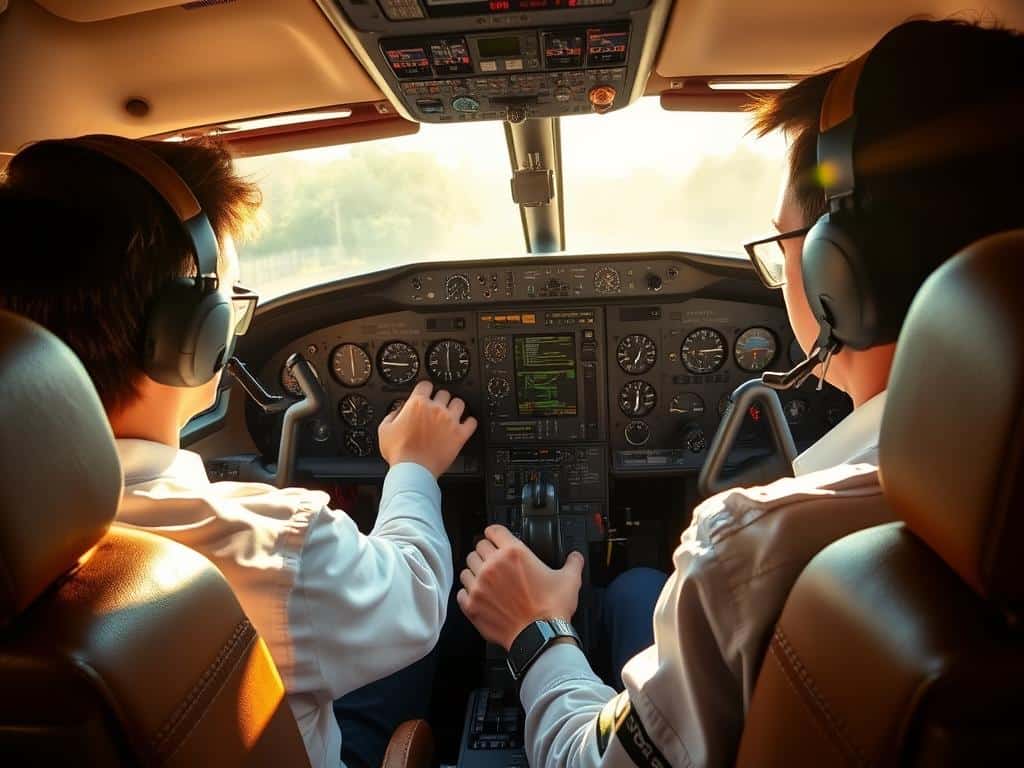
It’s key for pilots to know what to do in engine failure situations. They learn to keep control and use the right glide techniques. They must also know how to descend safely and follow specific rules for takeoff and climb after a failure. So, good training and getting ready are key to keeping passengers safe.
Notable Real-Life Engine Failure Incidents
Some big incidents show why being ready for engine failures is so important. For example, Air Transat Flight 236 landed safely after losing power. These stories highlight the need for solid training and systems to handle emergencies. They show that with the right steps, even tough situations can be managed.
Aircraft Design and Gliding Capabilities
Understanding aircraft design is key to gliding without engine power. Aerodynamic shapes help planes glide better by reducing drag. The wings and fuselage design greatly affect how well a plane glides.
Control surfaces are also critical. They help with maneuverability and stability when flying without power.
Aerodynamic Shapes for Efficient Gliding
Aircraft design focuses on shapes that improve gliding. Commercial airliners can glide about 2.5 nautical miles for every 1,000 feet lost. Gliders, on the other hand, can glide up to 70:1.
These shapes help planes glide better by reducing drag. Knowing the minimum drag speed (Vmd) is important. It changes with the aircraft’s weight.
The Importance of Control Surfaces
Control surfaces like ailerons and rudders are essential for gliding. They help pilots navigate and balance in the air. Adjusting these surfaces is key to avoiding a quick drop.
Factors like headwinds and tailwinds affect gliding. Pilots need to adjust speed to improve glide performance. Mastering control surfaces is vital for navigating through changing air conditions.
Conclusion
Knowing about engine failures is key for pilot safety and passenger trust. While engine failures are rare, they are serious. I’ve shown how knowing the best glide speed is vital, as it changes with each aircraft type.
When an engine fails, pilots must act fast. They use their training to find a safe landing spot. The Aviate, Navigate, Communicate rule helps them stay focused. They look for flat, open fields to land, needing to make quick decisions.
Improving my grasp of glide mechanics and emergency plans is vital. By practicing engine failure drills, I’m better prepared for real emergencies. This ensures my safety and that of my passengers. Understanding glide performance and the importance of training in emergency situations is the foundation of safe flying.