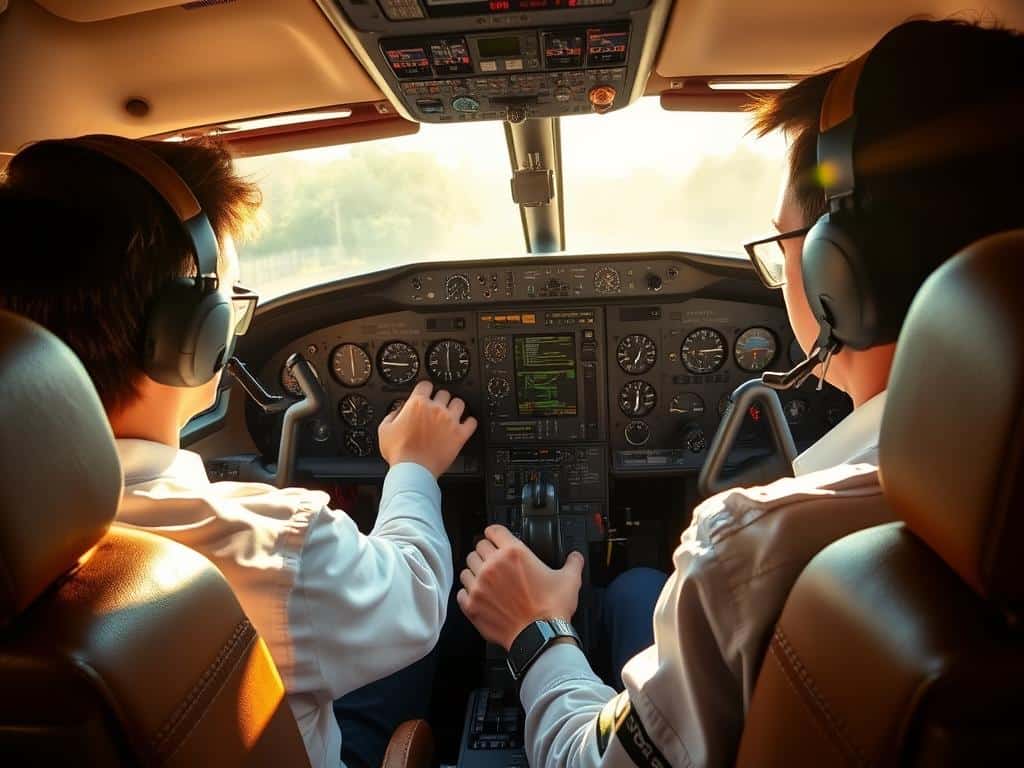
As I got ready for my last flight, I felt a mix of familiarity and anxiety. I thought about all the stories I’d heard about flying. Some were comforting, others scary. It’s interesting how myths about flying can stick in our heads.
Exploring aviation facts, I found many myths come from wrong information and movies. Stories about opening doors in flight or quick decompression are common. But, it’s time to clear up these myths. Learning the truth makes flying safer and more enjoyable.
Key Takeaways
- Many airplane myths come from not knowing how planes work.
- 95% of passengers in accidents involving US carriers between 1983 and 2000 survived.
- Cruising cabin pressure is like breathing at about 8,000 feet, limiting oxygen.
- A small hole in the fuselage doesn’t usually cause a big problem.
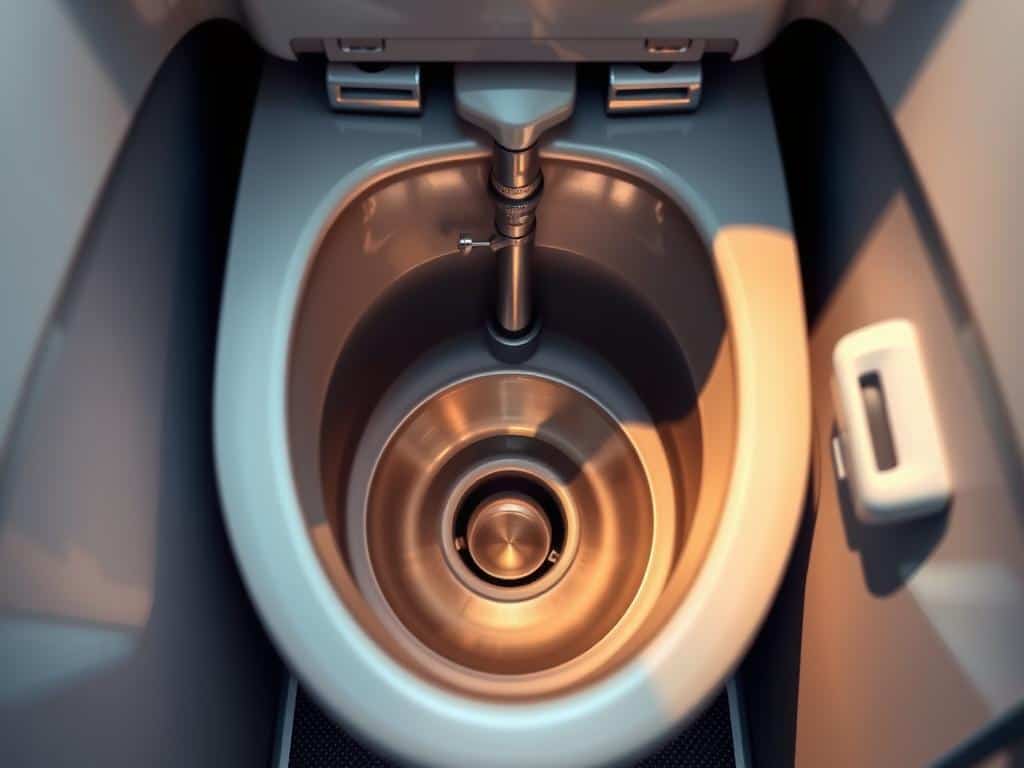
- Human waste is safely stored and handled after the flight, not in mid-air.
- Turbulence doesn’t raise crash risk, and planes stay stable in it.
- Clear and accurate information can help debunk myths and make travel better.
Debunking Common Airplane Myths
Many myths about flying are shared among travelers. These myths can confuse even those who fly often. Let’s look at some common myths that confuse many.
The Myth of Opening a Plane Door Mid-Flight
Some think you can open a plane door while flying. But experts say it’s not possible due to cabin pressure. The pressure outside is too strong for the door to open.
Even trying to force the door open is very hard. It takes a lot of strength to overcome this pressure.
A Small Hole Means Rapid Decompression
Many believe a small hole in a plane can cause rapid decompression. But research shows small holes don’t harm the plane much. Modern planes are built to handle pressure and stay safe even with minor damage.
Myth of Getting Drunk Faster at High Altitudes
Some people feel drunk faster when drinking at high altitudes. But studies show this isn’t because of the alcohol. It’s because of the lower oxygen levels.
These levels can make you feel drunk, but they don’t change how alcohol affects your body. Knowing this helps us make better choices about drinking on planes.
Understanding Air Travel Facts vs. Airplane Myths
Exploring air travel, I find many myths that cause worry. By looking into human waste disposal, airplane air quality, and safety, I aim to clear up what really happens on planes.
Human Waste Disposal in Mid-Air
Many think waste is thrown out mid-flight. This myth worries people about the environment. But, planes have sealed tanks for waste during the flight.
This means waste is only dealt with when the plane lands. It’s a clean and safe process, without harming the environment.
The Recirculated Air Dilemma
Travelers often worry about the air on planes. Airplane air quality is a big topic. Some think cabin air is unsafe.
But, planes have advanced filters that remove almost all microbes. The air is changed every one to three minutes. This makes it cleaner than many public places.
The Safety of the Brace Position
The brace position is key for safety during turbulence or crashes. It’s important for all passengers to know about it. This position helps protect against injuries.
Conclusion
Exploring airplane myths shows us how important it is to know the truth about flying. These myths can make us scared, but they’re often not true. For example, you can’t open a plane door in mid-air because the pressure is too high.
Also, the idea of the cabin decompressing quickly is not real. Safety features like oxygen masks keep us safe during emergencies.
Aviation safety stats are reassuring. In 2018, the chance of getting hurt from turbulence was about 1 in 173 million. Plane crashes are so rare, with a fatality risk of 1 in 4.7 million. This shows flying is very safe.
So, let’s fly with confidence and knowledge. Knowing the truth about airplane myths makes our trips better. Each flight is a chance to see the world, and flying is one of the safest ways to do it.