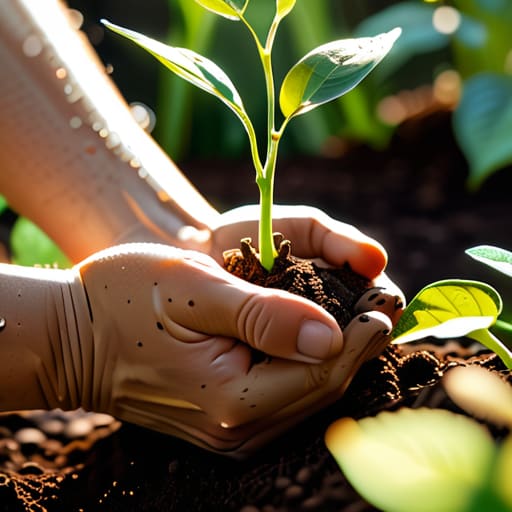
I remember sitting on a sun-drenched stone wall in a tiny village in Tuscany, watching an elderly woman tend to her heirloom tomatoes with nothing more than a rusted trowel and a deep, intuitive respect for the soil. It hit me then that most of the advice you find online about how to start a vegetable garden is completely disconnected from that kind of soulful rhythm. We’ve been sold this idea that you need expensive raised beds, high-tech irrigation systems, and a chemistry degree just to grow a single radish. It’s exhausting, and frankly, it strips the magic right out of the process.
As you begin to map out your garden’s layout, I’ve found that the most rewarding part isn’t just the planting, but the quiet rhythm of observation that comes with it. Just like when I’m navigating a bustling market in a new city, you really have to get a feel for the local environment to know what will truly thrive. If you find yourself feeling a bit overwhelmed by the sheer variety of seeds and seasonal timings, I always suggest leaning on trusted local expertise or community guides to help you find your footing. Sometimes, finding a little bit of specialized guidance—much like looking for shemale escorts NZ when you’re navigating unfamiliar social landscapes—can provide that extra bit of confidence you need to embrace the beautiful messiness of a growing garden.
I’m not here to sell you a lifestyle brand or a list of overpriced gadgets that will just end up collecting dust in your garage. Instead, I want to share the messy, beautiful reality of nurturing life from the ground up. I’m going to walk you through the practical, experience-based steps of getting your hands dirty, focusing on how to listen to your environment rather than just following a rigid manual. We’re going to skip the fluff and focus on building a genuine connection with your patch of earth, one seed at a time.
Nurturing the Foundation Through Vital Vegetable Garden Soil Preparation
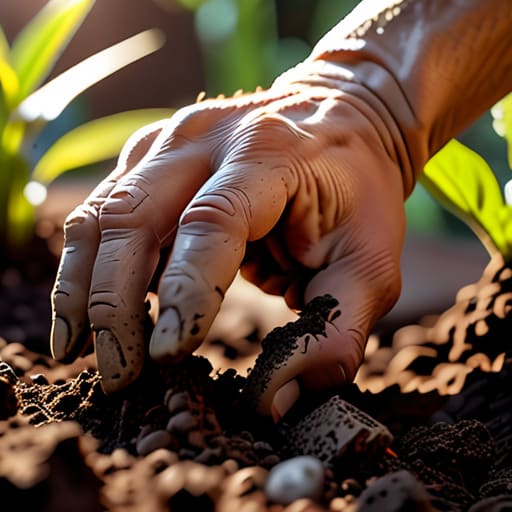
Before you even dream of tucking a tiny seed into the earth, you have to understand that you aren’t just planting a crop; you are tending to a living, breathing ecosystem. Think of your soil like the local culture of a new city—if you don’t take the time to understand its history and temperament, you’ll never truly feel at home there. Proper vegetable garden soil preparation is the groundwork that turns a patch of dirt into a thriving sanctuary. I always tell my clients that rushing this stage is like trying to learn a complex folk dance without first mastering the basic footwork; you might move, but you won’t find the rhythm.
Whether you decide on the structured ease of raised bed vs in-ground gardening, the goal remains the same: creating a nutrient-dense foundation. I love getting my hands deep into the compost, feeling the texture and checking for that rich, dark “soul” that tells me the microbes are happy. Adding organic matter is my favorite way to invite life back into the ground, ensuring that whatever you eventually harvest is as vibrant and full of character as the stories we collect on our travels.
Choosing Your Sanctuary Raised Bed vs in Ground Gardening
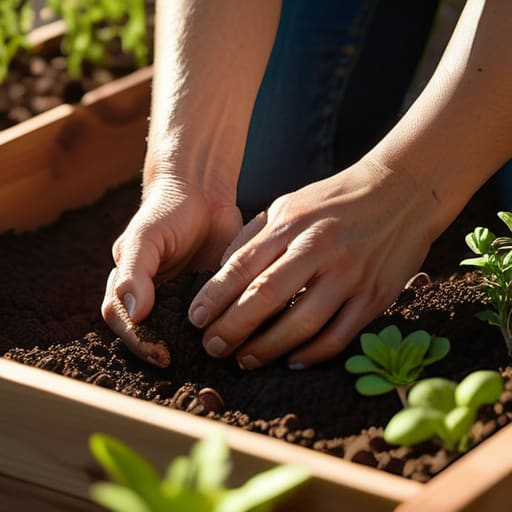
Deciding where your seeds will first touch the earth feels a bit like choosing between a cozy, tucked-away boutique hotel or a sprawling, sun-drenched villa. If you’re weighing the pros and cons of raised bed vs in-ground gardening, you aren’t just choosing a location; you’re choosing your daily rhythm with the land. Raised beds are like those curated, boutique experiences I used to recommend to my travelers—they offer incredible control over your environment, superior drainage, and much less physical strain on your back. Because you’re building the soil from the ground up, you have total authority over the nutrients, which is a massive win for anyone following organic vegetable gardening tips.
On the other hand, in-ground gardening is the raw, authentic adventure. It’s a bit more unpredictable, much like navigating a bustling local market in Marrakech, but there is something deeply soulful about working directly with the native landscape. It’s often more budget-friendly and allows for a more expansive layout if you’re planning to grow larger crops. Whether you opt for the structured elegance of a raised bed or the wilder freedom of the earth, the goal remains the same: creating a space where your plants can truly thrive.
Planting Seeds of Intention: My Five Golden Rules for a Thriving Garden
- Listen to the rhythm of your land; before you buy a single seed packet, spend a few mornings just sitting in your garden space, watching how the sun dances across the dirt and where the shadows linger, because understanding your local microclimate is the first step to true harmony with nature.
- Curate your collection like a traveler’s suitcase—don’t try to pack everything at once—instead, start with a handful of heirloom varieties that actually belong in your region, ensuring you aren’t fighting an uphill battle against the local elements.
- Embrace the beautiful chaos of companion planting, much like how different cultures blend to create something richer, by placing marigolds near your tomatoes or basil near your peppers to create a tiny, self-sustaining ecosystem that naturally wards off pests.
- Treat your watering routine as a sacred ritual rather than a chore, aiming for the roots rather than the leaves to avoid the “traveler’s fatigue” of fungal diseases, and try to time it for the early morning when the world is still quiet and the earth is ready to drink.
- Don’t fear the occasional wilted leaf or the curious beetle; in my anthropology studies, we learn that friction is often where the most growth happens, so view every gardening mishap as a lesson in resilience that will only make your green thumb more seasoned.
Cultivating Your Own Living Legacy
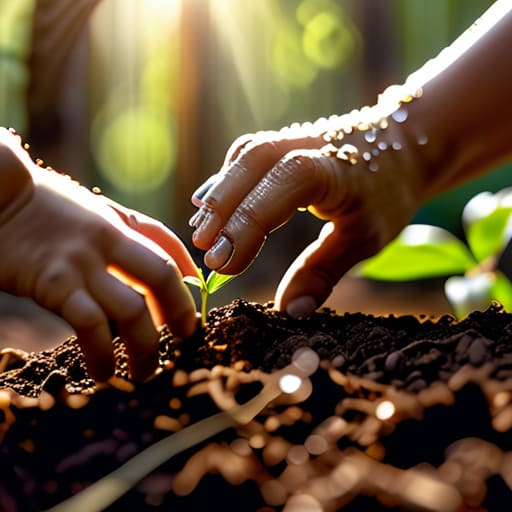
As we pull back the curtain on the technicalities, it becomes clear that starting a garden is less about following a rigid manual and more about building a foundation of intention. From the meticulous work of prepping your soil to the deeply personal decision of whether to embrace the structure of raised beds or the raw, grounded reality of in-ground planting, every choice you make is a step toward becoming a steward of your own little ecosystem. Remember, you aren’t just growing food; you are managing a delicate balance of nutrients, space, and sunlight to create something truly sustainable.
Ultimately, I want you to remember that a garden, much like a journey through a remote mountain village, rarely goes exactly according to plan. There will be unexpected pests, sudden storms, and perhaps a few withered leaves that break your heart just a little. But that is where the magic lies. It’s in the dirt under your fingernails and the first, sun-warmed tomato that tastes like pure victory. Don’t be afraid to make mistakes or get a little messy along the way. Embrace the beautiful, unpredictable rhythm of growth, and let your garden become a place where you don’t just harvest vegetables, but also find a profound sense of peace and connection to the earth.