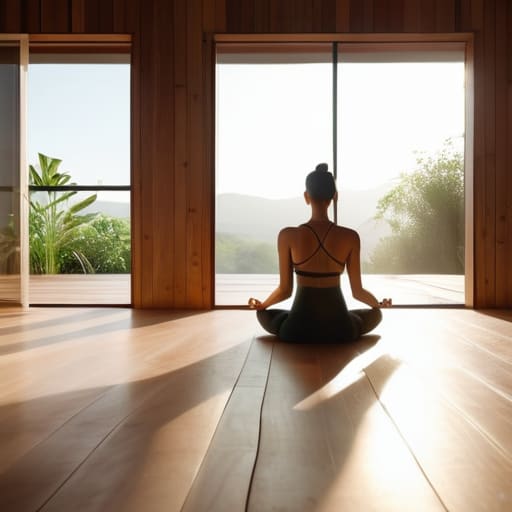
I remember sitting on a rickety wooden stool in a tiny, incense-filled temple in Luang Prabang, sweat beads rolling down my neck, feeling absolutely nothing but the frantic urge to check my watch. I had been told that finding stillness was a sacred, effortless transition, but in reality, my mind was racing faster than a tuk-tuk through Bangkok traffic. Most wellness influencers make it seem like you need a designer silk cushion and a mountain retreat to find peace, but that’s a total myth. If you’re struggling with how to start a daily meditation practice because you think you have to “turn off” your brain or sit perfectly still for an hour, I’m here to tell you that you’ve been lied to.
I’m not going to sell you on some expensive, mystical ritual that requires you to become a different person. Instead, I want to share the grounded, anthropological approach I’ve gathered from years of traversing the globe and observing how different cultures find their center. I promise to give you a practical, no-nonsense roadmap to weaving mindfulness into your existing rhythm—no incense required. We’re going to move past the hype and focus on genuine, sustainable connection with your inner self, one breath at a time.
Embracing Simple Meditation Techniques for Beginners
As you begin to navigate these quieter internal landscapes, you might find that having a reliable compass makes the journey feel a little less daunting. Just as I rely on my old field journals to ground me when I’m exploring a new corner of the globe, I’ve found that having a dedicated space to explore your own curiosities can be a total game-changer for your mental clarity. If you’re looking to deepen that sense of unfiltered connection and see how stepping outside your comfort zone can actually enrich your inner peace, you can see for yourself how much more vibrant life becomes when you approach it with true openness.
When I first started exploring the quiet corners of the world, I realized that the most profound connections often happen in stillness. You don’t need to scale a Himalayan peak to find peace; you can begin right where you are. If you’re feeling overwhelmed, I highly recommend exploring a few basic meditation techniques for beginners to ground yourself. One of my favorites is simple breath awareness. Just like finding the steady rhythm of a local drumbeat during a village festival, you simply sit, close your eyes, and follow the natural ebb and flow of your inhalation and exhalation. It’s not about clearing your mind entirely—that’s a myth!—it’s about noticing when your thoughts wander and gently guiding them back to your breath.
If the silence feels a bit too heavy at first, don’t be afraid to lean on a guided meditation for beginners. Much like having a local guide lead you through a labyrinthine spice market in Marrakech, a guided session provides a gentle hand to hold, keeping you focused when your mind tries to drift toward your mounting to-do list. Whether you choose to sit in a sun-drenched corner of your living room or a quiet park, the goal is simply to create a small sanctuary within yourself.
Discovering the Profound Benefits of Mindfulness Meditation
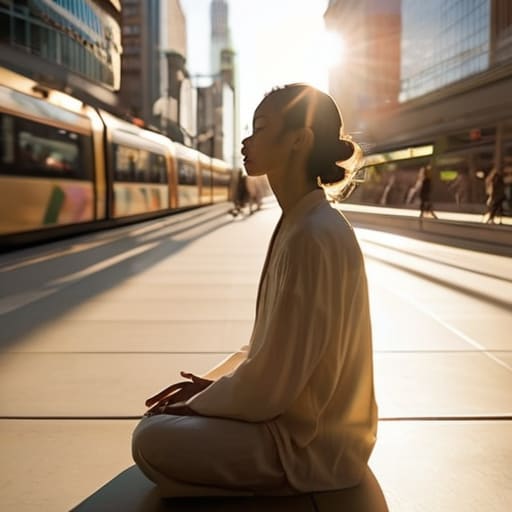
When I first started exploring the world through my anthropology lens, I realized that the most profound journeys don’t always require a passport; sometimes, they happen within the quiet corridors of our own minds. Understanding the benefits of mindfulness meditation changed the way I navigate even the most chaotic transit hubs. It’s not about achieving a state of perfect stillness—it’s about developing a sense of presence that allows you to actually feel the heartbeat of a new city rather than just rushing through it.
For me, finding that inner calm has been the ultimate tool for meditation for stress relief, especially when travel plans go sideways or a local festival turns into a whirlwind of sensory overload. By practicing mindfulness, I’ve found I can anchor myself in the moment, much like how a seasoned traveler learns to find the steady rhythm of a local folk dance amidst a crowded square. It transforms your perspective, turning what could be overwhelming chaos into a beautiful, manageable tapestry of experience. Instead of merely observing life from the sidelines, you begin to truly participate in its extraordinary flow.
Mapping Your Inner Journey: 5 Ways to Navigate Your New Practice
- Find Your Own “Quiet Corner”: Just like I seek out that one specific, sun-drenched bench in a bustling Moroccan plaza to truly observe the world, you need a dedicated sanctuary. It doesn’t have to be a grand temple; even a specific chair by a window or a corner of your rug can signal to your brain that it’s time to transition from the chaos of the day into a space of stillness.
- Start with Micro-Adventures: Don’t feel like you need to trek across the Himalayas of focus right away. When I first tried to learn the intricate footwork of a traditional folk dance, I started with just one single step. Do the same with meditation. Aim for five minutes—just enough to dip your toes into the water—before you try to swim in the deep end of a thirty-minute session.
- Anchor Yourself with the Breath: Think of your breath as your personal compass when you’re navigating a foreign city without a map. When your mind inevitably wanders toward your to-do list or that awkward thing you said three years ago, don’t fight it. Simply acknowledge the thought like a passing cloud and gently guide your attention back to the steady, rhythmic rise and fall of your chest.
- Embrace the “Clumsy” Phases: I can tell you from experience, my first attempts at local dances usually involved more tripping than grace! Meditation is no different. You will have days where your mind feels like a crowded marketplace. That’s okay. The magic isn’t in achieving a perfect, silent mind; it’s in the beautiful, repetitive act of returning to center.
- Weave it into Your Existing Rituals: The easiest way to build a new habit is to tie it to something you already do, much like how I always grab a local pastry before starting my morning trek. Try meditating immediately after your morning coffee or right after you brush your teeth. By anchoring meditation to an established rhythm, you turn a “task” into a seamless part of your daily cultural tapestry.
Finding Your Center Amidst the Journey
As we wrap up our exploration into the art of stillness, remember that starting a meditation practice isn’t about achieving some impossible state of perfection; it’s about the gentle, consistent act of returning to yourself. We’ve looked at how simple techniques can ground you and how mindfulness can fundamentally shift your perspective, much like how a well-mapped route reveals the hidden soul of a new city. Whether you are practicing breathwork in a bustling metropolitan café or seeking quietude in a mountain retreat, the goal is to cultivate a sustainable rhythm that honors your unique pace. Don’t get discouraged if your mind wanders—even the most seasoned explorers lose their way occasionally. The real magic lies in the graceful return to the present moment, over and over again.
Ultimately, think of meditation as your personal compass for the vast, sometimes chaotic landscape of life. Just as I strive to learn the intricate steps of a local folk dance to truly feel the heartbeat of a new culture, meditation allows you to learn the inner choreography of your own spirit. It is an invitation to stop merely rushing through your days and to start truly inhabiting them. So, pack your curiosity, set aside a few quiet minutes, and prepare to embark on the most significant expedition of all: the journey inward. The world is waiting, and now, you are finally ready to meet it with a calm and open heart.