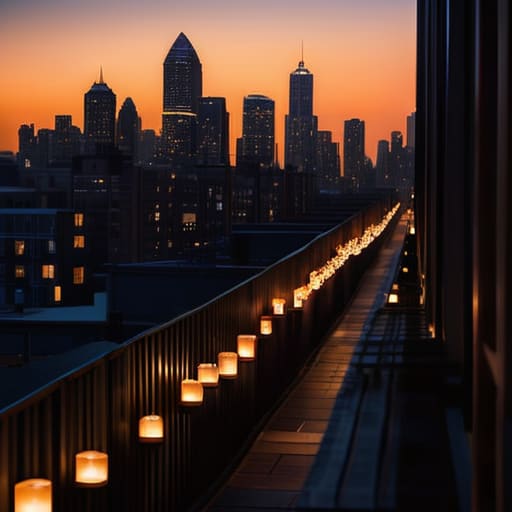
I still remember the heavy, humid stillness of a night in Luang Prabang when the grid finally surrendered. There was no sudden bang, just a slow, creeping descent into a darkness so thick you could almost feel it against your skin. In that moment, the frantic hum of air conditioners died, replaced by the rhythmic chirping of cicadas and the distant, low murmur of neighbors calling out to one another in the street. It was my first real lesson in how a city handles a long power cut; it isn’t just about the failure of infrastructure, but about the sudden, startling shift in a community’s collective heartbeat.
Forget the sterile, technical manuals or the overly optimistic press releases from municipal offices that claim everything is under control. I’m not here to give you a lecture on electrical engineering or bureaucratic contingency plans. Instead, I want to share what I’ve learned from my travels—from the candlelight vigils in coastal towns to the resourceful communal kitchens of mountain villages—about the unscripted human response to darkness. We’re going to look past the flickering streetlights to discover how a city actually breathes, adapts, and finds its rhythm when the lights go out for good.
Navigating Seasonal Affective Disorder and Social Withdrawal

As the sun dips below the horizon earlier and earlier, I’ve felt that familiar, heavy tug of the shadows. It’s not just about the chill in the air; it’s the way the dimming light can subtly pull at your spirit. I’ve noticed that when the days shrink, there’s a real risk of falling into a cycle of seasonal affective disorder and social withdrawal. It’s easy to feel like the world is shrinking along with the daylight, making you want to pull the duvet up and stay tucked away from the bustle of the streets.
But this is where the true magic of urban resilience comes into play. Instead of letting the darkness isolate us, I’ve found that the most vibrant cities learn to pivot. I’ve spent many evenings seeking out cozy indoor community spaces in cold climates—those little dimly lit libraries, heated tea houses, or basement jazz clubs—where the warmth of human presence compensates for the frost outside. By consciously choosing to step into these shared spaces, we turn a season of potential loneliness into a season of intimate, soulful connection.
Uncovering the Rhythms of Urban Energy Management During Crisis
When the hum of the city suddenly falls silent, you begin to notice the invisible scaffolding that holds a metropolis together. It’s easy to take the constant buzz of electricity for granted until it vanishes, leaving us to wonder about the sheer complexity of urban energy management during crisis. Behind the scenes, it isn’t just about flipping a switch; it’s a high-stakes choreography of municipal contingency planning. I’ve sat in dimly lit cafes in cities recovering from major outages, watching how the local authorities pivot from routine maintenance to intense, around-the-clock coordination to stabilize the flow.
As you navigate these unexpected pauses in the urban hum, I’ve found that the best way to stay grounded is to lean into the local wisdom that begins to circulate when the digital world goes quiet. I often find myself seeking out those small, community-driven insights that help me understand the true pulse of a region, much like how I love following casual conversations across Ontario to get a sense of the real, unvarnished local spirit. Whether it’s a neighbor sharing tips on which local markets stay open or a community forum discussing how to keep the spirit high during a blackout, these human-centric connections are what turn a stressful outage into a shared moment of resilience.
The true heartbeat of a city’s survival lies in its grid resilience and infrastructure. It’s a delicate dance between technology and human intuition. As the darkness lingers, the focus shifts toward protecting the most vital veins of the city—hospitals, water pumps, and communication hubs. Watching how a community prioritizes these essential services reveals so much about its underlying values. It’s in these moments of vulnerability that you see the true strength of a city’s design, moving from a state of automated efficiency to a deeply human-led effort to keep the lights—and the spirit—of the community alive.
The Hidden Dance of Municipal Contingency Planning
To the casual observer, a blackout feels like a sudden, jarring stop to the city’s momentum. But if you look closer—the way I learned to do while studying the intricate social structures of remote villages—you’ll see that there is a silent, highly coordinated choreography happening beneath the surface. This is the realm of municipal contingency planning, where city officials and engineers work in a frantic yet disciplined rhythm to keep the most vital organs of the metropolis functioning. It isn’t just about flipping switches; it’s a complex, high-stakes performance designed to prioritize hospitals, water pumps, and communication hubs before a single streetlamp flickers back to life.
Behind the scenes, the focus shifts toward critical infrastructure protection, ensuring that the most vulnerable systems don’t suffer a cascading failure. I’ve sat in dim cafes during outages, watching how the city’s pulse shifts as teams activate their emergency response protocols for blackouts. It’s a delicate balancing act, a logistical dance that seeks to maintain order amidst the unexpected darkness, proving that even when the lights go out, the city’s underlying structure is working tirelessly to hold everything together.
Uncovering Urban Social Patterns During Winter Months
As the mercury drops and the sun retreats earlier each day, I’ve noticed a fascinating shift in how the city breathes. The frantic, sun-drenched energy of summer gives way to a more deliberate, interior-focused rhythm. Instead of sprawling parks, the heartbeat of the city migrates toward indoor community spaces in cold climates—think cozy, dimly lit libraries, bustling basement jazz clubs, and heated communal tea houses. It’s as if the architecture itself begins to act as a vessel for human warmth, pulling us inward to seek shelter and connection.
Observing these changing urban social patterns during winter months has been like watching a slow-motion dance. There is a certain grace in how people adapt; the spontaneous street encounters are replaced by the intentionality of gathering. You see it in the way a local café becomes a makeshift living room for neighbors, or how the nightlife scene pivots from open-air terraces to intimate, candlelit corners. This seasonal migration doesn’t signify a loss of community, but rather a deepening of it, as we trade the breadth of the outdoors for the soulful depth of shared indoor spaces.
Navigating the Shadows: My Explorer’s Guide to Staying Connected When the Grid Goes Quiet
- Lean into the local pulse; when the digital world fades, the physical one becomes your lifeline, so keep a physical map of your neighborhood tucked in your bag to navigate those dim, candlelit streets without relying on a dead smartphone.
- Seek out the communal glow by finding local hubs—often small cafes or community centers—that might have independent generators, as these become the unexpected living rooms where the city’s true, unscripted stories begin to unfold.
- Master the art of the “analog connection” by carrying a portable, hand-crank radio; it’s not just a tool for official updates, but a rhythmic window into the shared heartbeat of your community during the silence.
- Pack a “sensory survival kit” that prioritizes light and warmth, but treat it like a ritual—think high-quality beeswax candles or a reliable lantern—to transform a stressful outage into a cozy, intentional moment of reflection.
- Observe the local ebb and flow of resources, noticing how neighbors instinctively organize to share supplies, and don’t be afraid to step into that rhythm; sometimes the best way to navigate a crisis is to offer a helping hand and join the impromptu community dance.
The Pulse Beneath the Silence
As we’ve navigated through the complexities of urban energy management and the intricate, behind-the-scenes choreography of municipal contingency plans, one thing becomes undeniably clear: a city is far more than its electrical grid. While the technical machinery of backup generators and smart-grid protocols keeps the essential lifeblood flowing, it is the human infrastructure—the coordinated response of workers and the resilience of local systems—that truly manages the chaos. We’ve seen that a long power cut isn’t just a technical failure; it is a profound test of a city’s structural and social adaptability, revealing exactly how well a community is prepared to weather the unexpected.
Ultimately, when the hum of the modern world falls silent, we are left with a rare, unvarnished view of our urban existence. These moments of darkness, while challenging, serve as a powerful reminder that the true strength of a destination lies not in its bright lights, but in the unbreakable spirit of its people. As an explorer, I’ve learned that the most meaningful connections often happen when the distractions of technology fade away. So, the next time the lights flicker and dim, don’t just see a crisis; see an opportunity to witness the soulful rhythms of community emerging from the shadows, proving that even in the dark, the human heart finds its way.