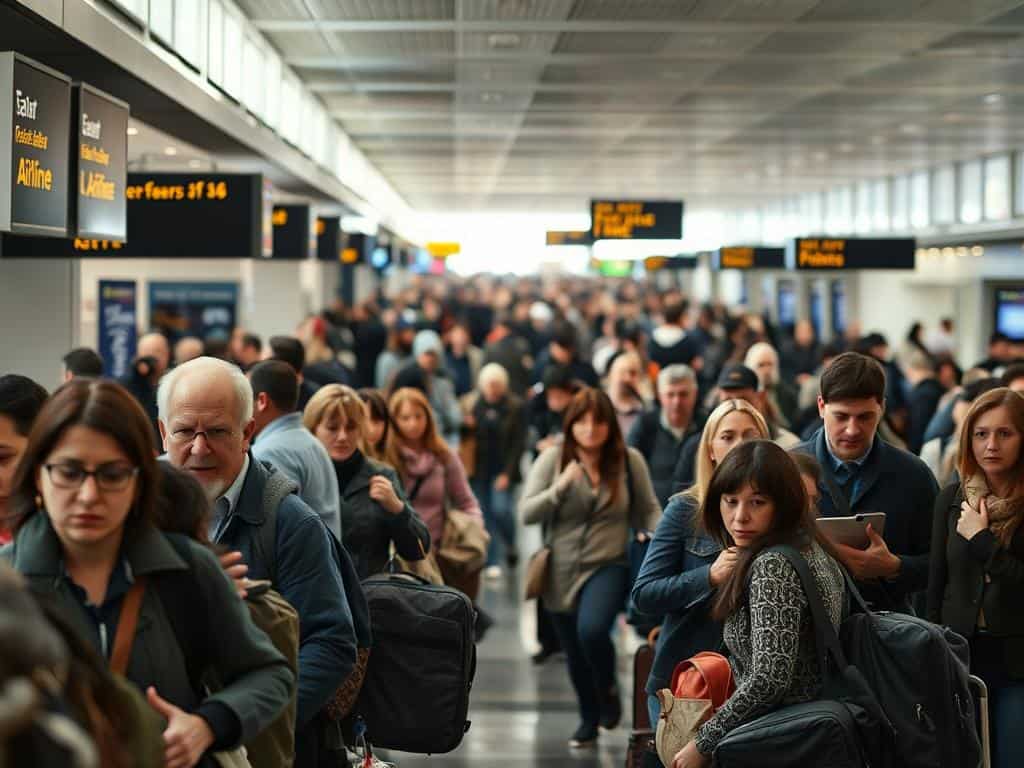
It was a hectic morning at the airport when I was traveling home for the holidays. As I rushed to my gate, I overheard an announcement that made my heart sink—my flight was overbooked. I had heard horror stories of passengers being involuntarily bumped, and I felt a knot form in my stomach.
Not only was I worried about missing my family celebration, but I also knew that navigating airline compensation and travel policies could be a maze. Luckily, I had done my research. By understanding the factors that contribute to overbooked flights and implementing a few strategic tips, I was able to secure my seat and make it home just in time.
In this guide, I will share the insights I gathered along the way to help you minimize the risk of being bumped from your flight and enjoy a stress-free travel experience.
Key Takeaways
- Understanding how airlines overbook flights can help you avoid being bumped.
- Choosing your fare wisely may increase your chance of keeping your seat.
- Early check-in is key for reducing the chance of being bumped.
- Know your rights as a passenger regarding airline compensation.
- Be aware of compensation policies in case you do get bumped.
- Budget extra travel time, specially during peak seasons, to avoid stress.
Understanding Why Airlines Overbook Flights
Airlines overbook flights for years, due to the airline industry’s economics. They want to make more money by filling every seat. With thin profit margins, empty seats mean lost income.
By looking at past no-show rates, airlines figure out how many extra passengers to book. For example, if 5% of passengers usually don’t show up, they might book 5% more. This way, they try to avoid empty seats.
The Economics Behind Overbooking
Overbooking is all about money. Airlines figure out how much money they might lose if people don’t show up. For instance, a Phoenix to Houston flight might lose about five passengers.
They then book more seats to make up for it. Coach and business class seats are more likely to be given away because they cost more. This shows how airlines try to make more money by balancing demand and revenue.
No-Show Rates and Their Impact
No-show rates play a big role in overbooking. These rates can change based on the route and airline. Flights during busy times tend to have different no-show rates.
Airlines adjust their overbooking plans based on these trends. It’s important to remember that bumping passengers is rare. It happens in about 1 out of every 100 flights. But, these numbers can change with the season and how passengers check in.
Avoiding Overbooked Flights
By taking proactive steps, I can lower the risk of being bumped from a flight. Making smart choices about airline fares, checking in early, and planning for delays helps a lot. This way, I can reduce my chances of being bumped.
Choose Your Fare Wisely
Choosing the right airline fare is key to avoiding overbooked flights. Airlines often bump passengers with lower-paying tickets first. So, opting for a higher fare ticket means I’m less likely to get bumped.
Importance of Early Check-In
Early check-in is a big plus in securing a seat. Checking in online 24 hours before helps avoid being seen as a no-show. Many passengers miss this step, so airlines are more likely to bump them. Early check-in is a smart strategy for avoiding travel delays.
Budgeting Extra Travel Time
Adding extra time to my travel plans is a smart move. Delays due to weather or other issues can happen. Having extra time helps me avoid stress and ensures I arrive on time, reducing the risk of being bumped.
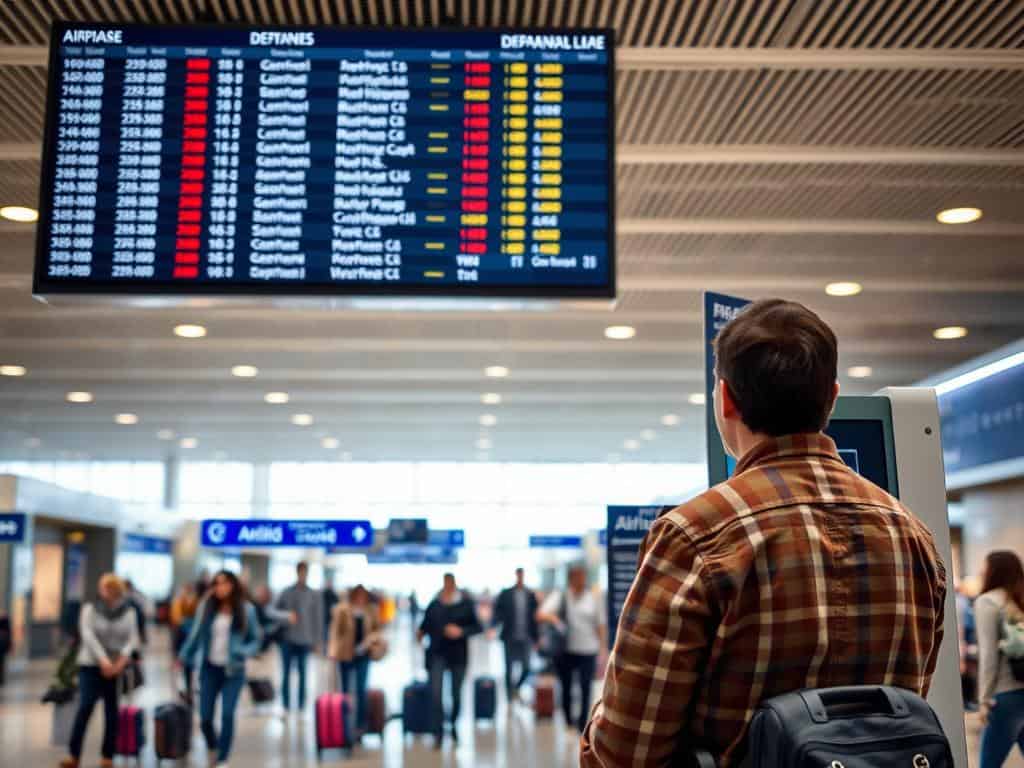
What to Do If You Are Bumped
Being bumped from a flight can be really frustrating. It’s important to know my rights as a passenger. The U.S. Department of Transportation has rules on federal regulations on bumping that help passengers like me.
I have the right to ask for compensation if an airline can’t let me board. The amount I can get depends on how late I arrive.
Know Your Rights as a Passenger
When I get bumped, I need to know my passenger rights. For flights within the U.S., I can get compensation based on the delay. If I’m late by one to two hours, I get 200% of my ticket price, up to $775.
If I’m late by more than two hours, I get 400% of my ticket price, up to $1,550. This rule also applies to international flights, with different caps based on the distance.
Negotiating Compensation with Airlines
Good compensation negotiation skills can really help. I should talk to airline staff calmly and keep a record of what happens. Having proof can make it more likely I’ll get what I want.
Studies show that being polite can lead to better deals. Airlines might offer cash, vouchers, or upgrades to encourage me to take a voluntary bump. Being polite can help me get a better deal.
Knowing the rules and being smart can help me deal with being bumped. By understanding my rights and negotiating well, I can get a good outcome.
Conclusion
Navigating air travel needs careful thought and planning. Understanding airline practices is key to avoiding bumps. I’ve shared tips like choosing the right fare and checking in early to reduce bumping chances.
Knowing your rights as a passenger is also vital for a smooth trip. Airlines often sell more tickets than seats, making bumping a common issue. So, planning extra time and knowing about compensation policies can make your travel better.
By staying informed and proactive, I can improve my chances of flying as planned. The strategies I’ve talked about help avoid bumps and make flying more enjoyable. This way, flying becomes less stressful and more pleasant.