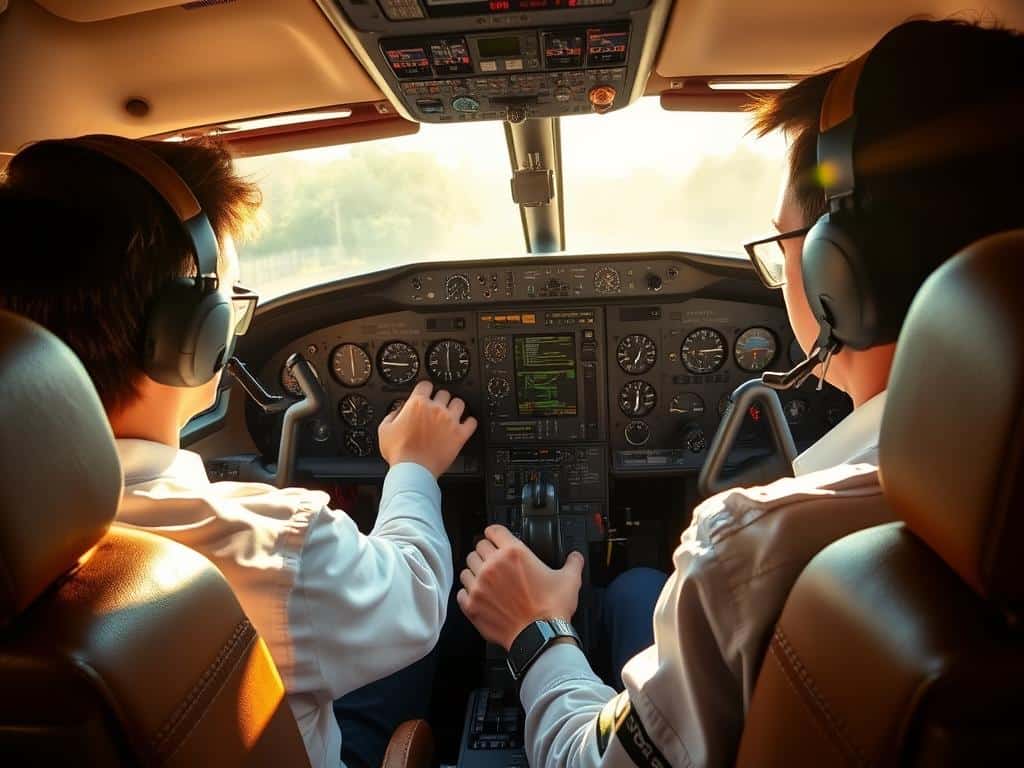
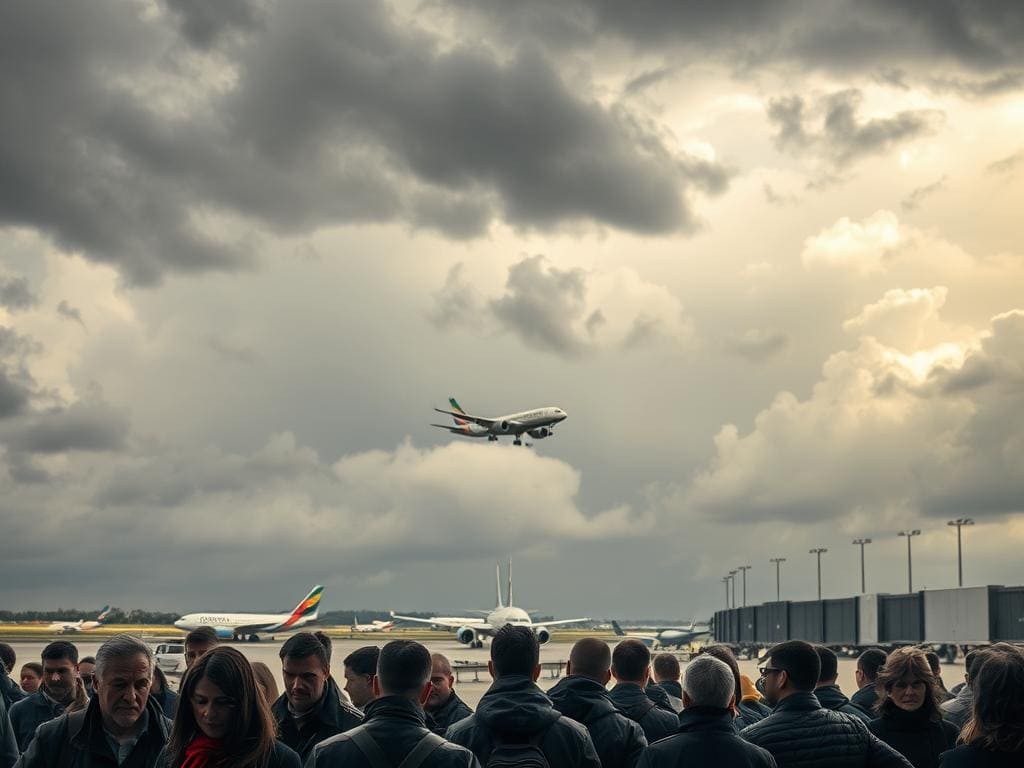
Every time I get on a plane, I feel a mix of fear and wonder. The plane is a marvel of engineering, flying high in the sky. It’s controlled by a mix of human skill and technology.
But can we really trust the autopilot systems? The truth is amazing and a bit scary. Automated landings have changed flying, but pilots are always needed. This shows that human help is key, even with technology.
Did you know only 1% of landings are automatic? And all takeoffs are done by hand? These facts remind us that flying is a team effort. The pilot’s skills are vital, even when technology helps.
Let’s dive into the world of flight automation. It’s fascinating to see how it affects pilots and passengers.
Key Takeaways
- Fewer than 1% of landings in commercial aviation utilize automatic systems.
- All takeoffs in commercial aviation are conducted manually.
- Pilots spend minimal time physically controlling the aircraft, yet their decision-making is critical throughout the flight.
- Automation supports pilots but does not eliminate the need for human input.
- The transition to pilotless aircraft poses numerous challenges and safety concerns.
Understanding Autopilot Systems in Aviation
Exploring autopilot systems reveals their key role in modern aircraft. Flight automation changes how planes are flown, giving pilots a big help. They control the plane’s path, height, and speed, making flying safer and smoother.
But, there’s a myth that pilots just watch these systems work. The truth is, pilots are very involved and active in flying.
The Role of Automation in Modern Aircraft
Today’s planes rely a lot on autopilot systems. These have come a long way, starting with the Sperry Corporation’s first one in 1912. Autopilots make flying safer and more efficient.
Most single-engine planes have autopilots, thanks to companies like Century and S-Tec. This technology lets pilots handle many tasks at once. It’s a big improvement over older systems.
Myths About Airplane Autopilot
There are many myths about autopilot systems. Some ads say they do more than they really do. For example, many systems only control the plane’s roll and pitch.
Modern autopilots work by constantly checking and adjusting the flight. But, autopilot systems need pilots to intervene sometimes. This is true for things like changing altitude quickly.
How Does an Airplane Land Itself?
An airplane uses advanced technology for automatic landings. This process needs precise coordination among various systems. Each part is key to landing safely, even in bad weather.
Components Needed for Automatic Landings
Automatic landings need several important parts. The Instrument Landing System (ILS) is at the heart. It guides the plane laterally and vertically.
Distance measuring equipment (DME) and radio altimeters help too. Radio altimeters give altitude readings accurate to 1 foot. Most planes have multiple autopilots for safety.
Pilots must train often. They need to do three autolands a year to keep their licenses.
Instrument Landing Systems (ILS) Explained
The ILS has different levels, like CAT I, CAT II, and CAT III. Each has its own rules for landing. CAT IIIB lets planes land without seeing the runway, even in thick fog.
But, automatic landings can only happen at certain airports. Pilots usually prefer to land by hand when they can. Automatic landings might feel rougher than those by a skilled pilot.
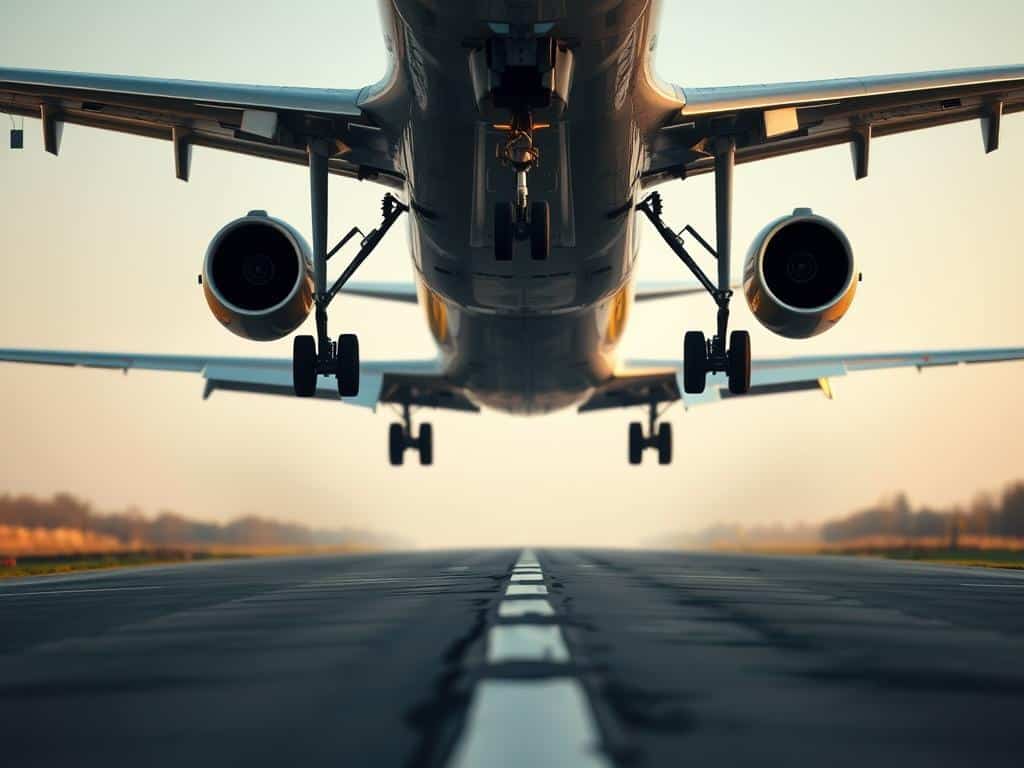
Airplane Autopilot: Limitations and Pilot Intervention
Autopilot systems have changed flying a lot. But, they can’t handle everything. Knowing when to use autoland and when to take control is key for safety.
When is Autoland Used?
Autoland is used when it’s hard to see. It helps pilots land safely in bad weather. For example, Category IIIc allows landings even when it’s completely dark.
Factors Impacting Automatic Landings
Weather and runway conditions affect how well autopilot works. Wind, rain, and the state of the runway matter a lot. Even with advanced tech, autopilot can’t always get it right.
Why Pilots Prefer Manual Landings
Many pilots like to land the plane themselves. They need to handle unexpected things like strong winds. Manual landings also feel smoother. Even with autopilot, pilots are always needed for safety.
Conclusion
The path to aircraft autonomy has changed aviation a lot. But it shows a complex truth, not a simple view of automation. Modern planes have advanced autopilot systems for automatic landings under certain conditions. Yet, the key role of pilots in safety and decision-making is clear.
Automation doesn’t make human oversight less important; it makes it better through teamwork. The future will bring even more advanced autopilot systems, maybe using artificial intelligence. But we must remember the human part that keeps flying safe.
Automation helps pilots, but it doesn’t replace their skill, like in landing or emergencies. Finding the right mix of technology and piloting is key. This balance is essential for safe flying.
The idea that a plane can land itself on its own is too simple. Pilots are the heart of keeping flying safe, always watching systems and making critical decisions. As we go forward, combining aircraft autonomy with pilot skill will shape aviation.