
Traveling is a passion of mine. But, my first trip to Thailand showed me the dark side of tourism: scams. I was excited to arrive, but soon found myself caught in a web of scams. In just one day, I faced two scams that almost ruined my trip.
The first scam was overcharging on a boat tour. It left me feeling frustrated and regretful. The second scam was misleading directions from a tuk-tuk driver. It wasted hours of my long-awaited adventure.
This experience showed me how common travel fraud is, even for seasoned travelers. It’s true that if a deal seems too good to be true, it probably is. I hope to help fellow travelers avoid these scams and enjoy their journeys.
Key Takeaways
- Be cautious of deals that seem too good to be true.
- Scams often target tourists due to their unfamiliarity with local customs.
- Vigilance is key to avoiding pitfalls during travel experiences.
- Common scams include overcharging for services and misleading transportation options.
- Having awareness of prevalent scams can greatly enhance your travel experience.
Understanding Common Travel Scams
Traveling can be thrilling, but it can turn bad if you fall for travel scams. Tourists often get scammed because they don’t know the local ways. Scammers take advantage of this, causing financial loss and stress.
What Makes Tourists Targets?
Tourists are easy to spot in busy places like train stations and tourist spots. They often take pictures or talk about their plans out loud. This makes them perfect targets for scammers.
Scammers use tricks like pickpocketing or offer help with hidden costs. About 25% of travelers say they’ve been scammed, showing we need to be careful.
The Importance of Awareness
Knowing about scams is key for safe travel. Being aware helps me spot trouble fast. Scams change all the time, trying to trick the unaware.
For example, 60% of travelers don’t check offers before buying. Being smart about scams can help avoid trouble.
Air Travel Scams You Should Avoid
Traveling through airports can be tricky, with scams like taxi overcharges and fake airport taxis. Knowing about these scams can make your trip safer and more fun.
Taxi Overcharge
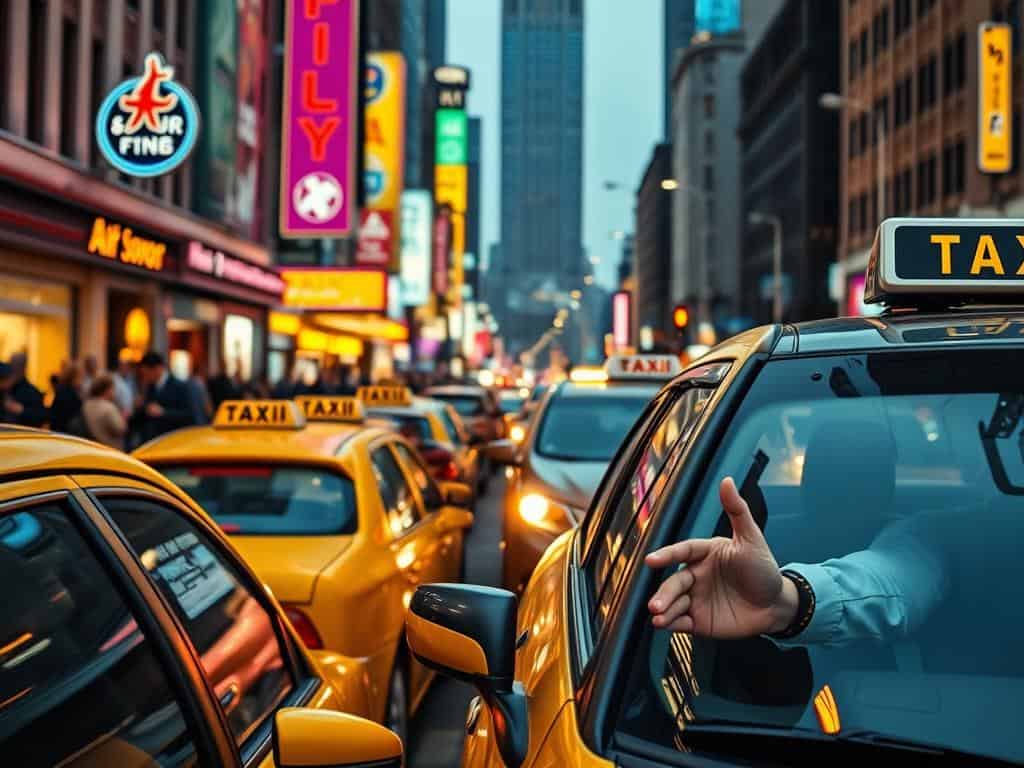
Taxi overcharges are a common problem. Some drivers might say their meter is broken to charge too much. It’s smart to talk about the fare with your hotel before you leave. Knowing the usual prices can help you avoid these high charges.
Fake Airport Taxis
Fake airport taxis are another risk. Unofficial cabs might look like real ones, trying to trick you, mainly in busy spots. Always check for ID and licenses when you get a taxi. Using apps for ride-sharing can also help you find safe rides.
Conclusion
Traveling comes with the risk of scams, affecting many travelers. With 22% of travelers facing scams and a 60% rise in scams, there are ways to stay safe. Knowing common scams, like overpriced taxis, helps me travel smarter.
Staying alert and using common sense are key to avoiding scams. Trusting my gut helps me spot suspicious situations. This way, I can turn potentially dangerous moments into valuable learning experiences.
When I travel, I always keep a watchful eye. Scams can cost up to $1,200, so being careful is vital. With the right knowledge and caution, my trips stay safe and enjoyable, making every adventure memorable.