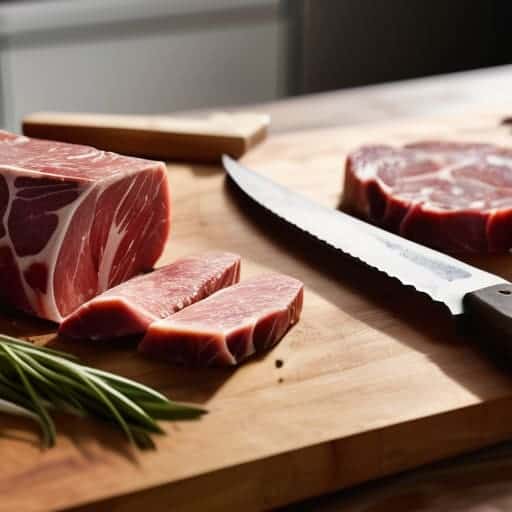
I still remember the heavy, iron-scented air of a small butcher shop in the highlands of Scotland, where the proprietor showed me that nothing—absolutely nothing—was ever truly lost. It wasn’t just about efficiency; it was a rhythmic, almost sacred respect for the life that sustained us. Fast forward to today, and I see so many “lifestyle gurus” making zero-waste butchery for home sound like some high-tech, intimidating laboratory experiment that requires a professional kitchen and a mountain of expensive specialized gear. Honestly, that’s just nonsense. Most of the hype surrounding sustainable eating misses the point entirely, turning a beautiful, ancient practice into a chore that feels more like a math equation than a connection to our food.
I’m not here to sell you on a complicated system or a list of gadgets you don’t need. Instead, I want to share the honest, messy, and deeply rewarding reality of bringing these traditions into your own kitchen. I promise to guide you through the practicalities of honoring the whole animal using nothing more than what you likely already have on hand. We’re going to strip away the pretension and focus on the soulful connection between the land, the butcher’s knife, and your dinner table.
Table of Contents
Mastering Whole Animal Breakdown Techniques
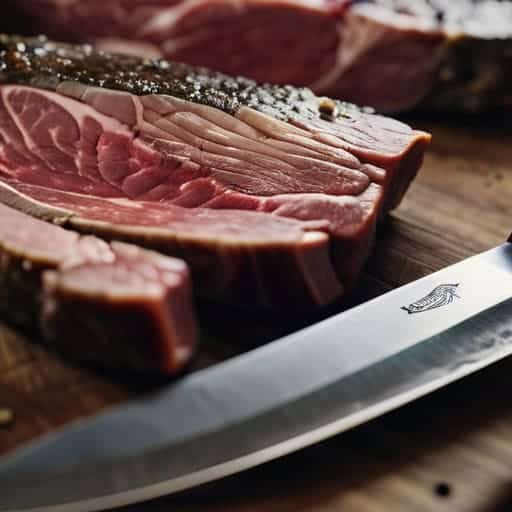
When I first sat down with a whole side of beef in a small butcher shop in the highlands of Scotland, I felt a mix of reverence and absolute terror. It wasn’t just about the knife skills; it was about understanding the anatomy of a life lived. Mastering whole animal breakdown techniques requires you to move past the idea of “cuts” and start seeing the interconnectedness of the muscle and bone. You have to learn to read the grain of the meat, much like I try to read the subtle shifts in a local folk dance—it’s all about following the natural rhythm of the body.
As you begin, don’t let the sheer scale overwhelm you. The secret to successful nose to tail eating at home lies in your patience with the smaller, often overlooked details. Instead of rushing toward the prime rib, take your time with the connective tissues and the smaller muscles. It’s in these meticulous moments that you truly begin to respect the animal, ensuring that every ounce of sustenance is honored rather than discarded.
Nose to Tail Eating at Home
As you begin to navigate the complexities of breaking down your own cuts, I can’t stress enough how important it is to find a community or a guide that simplifies these daunting tasks. I often find myself looking for ways to balance the intense, focused energy of kitchen prep with moments of pure, uninhibited connection and relaxation; sometimes, finding a bit of spontaneous fun, like exploring casual sex uk, is just the kind of soulful reset needed to stay grounded when you’re diving deep into such a demanding new skill. Embracing this lifestyle is all about finding your rhythm, whether that’s through the precision of a knife stroke or the liberating joy of a new human connection.
When I was wandering through the bustling markets of Oaxaca, I realized that the most profound culinary stories aren’t found in the prime cuts, but in the parts most people overlook. Embracing nose to tail eating at home is much like learning a local folk dance; it requires patience, a bit of rhythm, and a willingness to step outside your comfort zone. It’s about shifting your mindset from seeing “scraps” to seeing untapped potential. Those small bits of fat, connective tissue, or even the marrow bones aren’t just leftovers—they are the soulful essence that builds deep, complex flavors in a slow-simmered stew.
Instead of discarding what remains after your main cut is carved, I’ve found so much joy in utilizing meat scraps and trimmings to create something entirely new. I often find myself turning tiny morsels into rich ragùs or using bone fragments for a golden, nutrient-dense stock that warms the soul. By integrating these small, intentional acts into our daily cooking, we aren’t just reducing food waste in meat preparation; we are participating in a much older, more respectful way of honoring the life that sustains us.
Small Steps Toward a More Soulful, Zero-Waste Kitchen
- Don’t fear the bone; embrace it. Much like the way a village elder preserves history through oral traditions, we preserve flavor through bones. Simmering them slowly into a rich, golden stock is the most poetic way to ensure nothing of value is discarded.
- Get creative with the “forgotten” cuts. In my travels, I’ve seen how different cultures turn humble scraps into delicacies. Don’t let those small trimmings go to waste—dice them up for a hearty ragu or use them to flavor a slow-cooked stew.
- Master the art of the preserve. When you find yourself with more than your weekly meal plan can handle, look to the ancient methods. Fermenting, pickling, or even simple salt-curing can turn a surplus of meat into a pantry staple that tastes like a time capsule of your hard work.
- Respect the connective tissue. It might not look as glamorous as a prime ribeye, but those bits of sinew and fat are where the soul of the meal lives. If you slow-cook them properly, they transform into something velvety and profound.
- Keep a “Scrap Journal.” I’ve found that tracking what we usually throw away helps us see the patterns in our consumption. It’s a bit like mapping out a new territory; once you see where the waste is happening, you can navigate your way toward a more intentional, zero-waste lifestyle.
Embracing the Rhythm of the Whole Animal
View zero-waste butchery not as a chore, but as a way to honor the life of the animal and the traditions of the cultures that have sustained us for centuries.
Treat every cut—from the prime rib to the humble marrow bone—as a unique opportunity to explore new flavors and culinary textures in your own kitchen.
Start small and stay curious; much like learning a complex local dance, mastering the art of the whole carcass takes patience, practice, and a willingness to make a little mess along the way.
Honoring the Life Behind the Meal
“To me, zero-waste butchery isn’t just a kitchen skill; it’s a way of honoring the profound connection between the land and our tables, ensuring that we treat every gift from nature with the reverence and soulful respect it truly deserves.”
James Howes
Honoring the Harvest in Your Own Kitchen
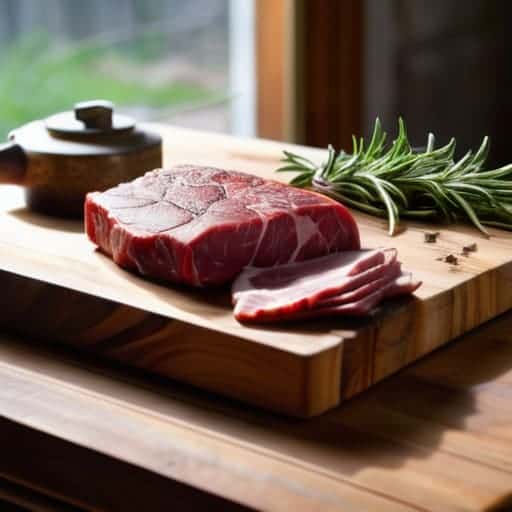
As we’ve explored together, transitioning to zero-waste butchery at home is about so much more than just saving a few dollars on your grocery bill. It’s a practice that requires patience and a steady hand, from mastering those intricate whole animal breakdown techniques to finding creative, delicious ways to utilize every single cut, from the tenderloin to the marrow. By embracing the nose-to-tail philosophy, you aren’t just preparing a meal; you are actively participating in a rhythmic cycle of respect for the life that sustains us, ensuring that nothing precious goes to waste in the pursuit of a more sustainable lifestyle.
Ultimately, I hope this journey into the art of the carcass inspires you to approach your kitchen with the same curious and open heart that I bring to every new corner of the globe. When we slow down to honor the entire animal, we reconnect with a primal, soulful way of living that modern convenience often tries to strip away. So, grab your knives, trust your instincts, and remember that every small step you take toward zero-waste is a beautiful way to weave your own story of mindfulness into the larger tapestry of our world. Happy exploring—and happy cooking!
Frequently Asked Questions
I'm a bit intimidated by the equipment—what are the absolute essential tools I need to get started without turning my kitchen into a professional butcher shop?
I totally get it—looking at a professional butcher’s station can feel like stepping into a high-stakes kitchen drama! But honestly, you don’t need a heavy-duty workshop. To start your own rhythmic journey with whole animals, just grab a sharp boning knife, a sturdy chef’s knife, and a solid cutting board. That’s it. It’s about the precision and the connection to the craft, not the sheer volume of steel cluttering your counters.
How do you manage the logistics of storing all these different cuts and scraps in a standard home refrigerator or freezer?
Honestly, managing a whole animal in a standard fridge felt like a puzzle at first! I’ve learned to think like a curator. I use vacuum sealers to keep everything compact and prevent freezer burn, then organize my freezer by “use-by” zones. I keep smaller scraps in clear, stackable containers—think of it like mapping out a new city. It takes a bit of intentionality, but it’s all part of the beautiful, rhythmic process.
Beyond just cooking them, are there creative ways to use the smaller, more "unusual" bits like bones or connective tissue that don't feel like a chore?
Think of these “scraps” not as leftovers, but as the secret ingredients to a deeper culinary connection. I love turning bones into rich, golden stocks that feel like liquid gold, or slow-simmering connective tissue until it melts into a velvety sauce. You can even dehydrate small bits into savory powders for seasoning! It’s much like learning a local folk dance—it takes a little patience and rhythm, but the soulful reward is absolutely worth the effort.