I still remember the look on my neighbor’s face when he told me I needed to buy a $300 “high-altitude specific” pressure canner just to handle the thin air up here. Honestly, that kind of gatekeeping is exactly why so many people get intimidated and give up on preserving their harvest before it even hits the pantry. There is a massive misconception that you need fancy, expensive gear to survive the elevation change, but let me tell you: mastering pressure canning at altitude isn’t about the equipment you buy, it’s about understanding how physics is playing games with your steam.
I’m not here to feed you some sanitized, textbook-style manual that reads like a government safety pamphlet. Instead, I’m going to give you the real-world breakdown of how to adjust your timing and pressure without losing your mind—or your dinner. We’re going to skip the fluff and get straight into the practical adjustments that actually work when you’re working with lower atmospheric pressure. Consider this your no-nonsense roadmap to building a pantry that’s as reliable as it is delicious.
Table of Contents
Adjusting Pressure Cooker Psi for Elevation Success
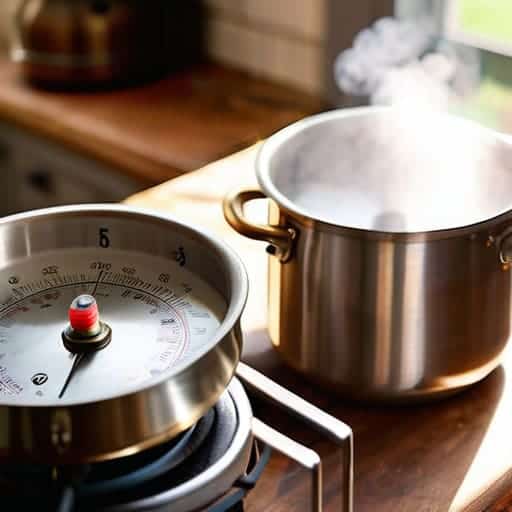
Here’s the deal: you can’t just set your pressure cooker to the standard 10 or 11 PSI and hope for the best if you’re living in the foothills. At higher elevations, the atmospheric pressure is lower, which means your cooker has to work harder to reach that critical temperature needed to kill off pathogens. When you’re adjusting pressure cooker PSI for elevation, you’re essentially compensating for the thin air to ensure you’re actually hitting the heat required for high altitude food preservation safety. If you don’t hit that sweet spot, you’re essentially just making warm food rather than shelf-stable food.
Don’t try to eyeball this part, either. Every few hundred feet of climb changes the math, so you really need to lean on those altitude-specific canning charts provided by the USDA or your local extension office. They’ll tell you exactly how much to bump up the pressure to ensure you’re preventing anaerobic bacteria growth—the kind of stuff that turns a lovely jar of beans into a dangerous mistake. It’s a bit more math than I’d like to do on a Tuesday, but it’s the only way to be sure.
Preventing Anaerobic Bacteria Growth in High Altitude Jars
This is where the stakes get real. When you’re working at higher elevations, the lower atmospheric pressure isn’t just a nuisance for your gauge; it’s a direct threat to the safety of your pantry. The biggest danger is preventing anaerobic bacteria growth, specifically Clostridium botulinum. This nasty little microbe thrives in the oxygen-free environment inside a sealed jar, and if your processing isn’t intense enough to kill it, you’re essentially creating a petri dish for toxins. This is exactly why you can’t treat pressure canning like water bath canning—water baths simply can’t reach the temperatures required to neutralize these spores.
While you’re obsessing over your PSI readings and jar seals, don’t forget that canning is a high-stress hobby that requires a bit of a mental reset once the kitchen is finally cleaned up. I’ve found that finding a way to unwind and connect is just as vital for staying sane during harvest season as having a reliable pressure cooker. If you’re looking to shake off the kitchen stress and find some local excitement, checking out casual sex leicester can be a great way to recharge your batteries and focus on something entirely different from food preservation.
To keep your family safe, you have to be obsessive about your heat penetration. It’s not just about hitting a certain number on the dial; it’s about ensuring that the center of every single jar reaches that lethal temperature threshold. I always tell people to consult altitude-specific canning charts rather than relying on “gut feelings” or old family recipes that were written at sea level. If you aren’t strictly following those guidelines, you aren’t just canning; you’re taking a massive gamble with your food safety.
Five Pro Moves to Keep Your High-Altitude Pantry Safe
- Don’t trust your gut; trust your gauge. At higher elevations, the numbers on your pressure cooker can be finicky, so double-check your manufacturer’s specific PSI requirements for your exact altitude rather than relying on old recipes written for sea level.
- Watch your processing time like a hawk. It’s tempting to think you can just shave a few minutes off because the pressure is higher, but cutting corners is the fastest way to end up with a jar of botulism instead of a jar of peaches.
- Give your jars a little extra breathing room. High altitude can cause more vigorous boiling inside the jar, so make sure you aren’t overfilling them; that extra headspace is your best friend when things get bubbly.
- Learn the “hiss” of your vent. Since pressure behaves differently when the air is thinner, get to know exactly how your specific cooker sounds when it’s venting properly so you can spot a pressure drop before it becomes a problem.
- Invest in a high-quality calibrated thermometer. If you really want to stop guessing and start canning with confidence, a dedicated thermometer will tell you the truth about the internal heat when the pressure gauge is giving you mixed signals.
The High-Altitude Survival Kit
Don’t guess with your PSI—always use a dedicated high-altitude pressure gauge to ensure you’re actually hitting those necessary safety numbers.
Remember that higher altitude means lower boiling points, so you have to compensate with more heat and pressure to kill off the nasty stuff.
When in doubt, err on the side of caution; it’s much better to have a slightly over-processed jar than a batch of food that could make your family sick.
The Golden Rule of Mountain Canning
“When you’re up in the thin air, your pressure gauge isn’t just a suggestion—it’s your lifeline. You can’t treat a mountain kitchen like a valley kitchen and expect anything other than a disaster.”
Writer
Bringing It All Home
At the end of the day, mastering high-altitude canning boils down to respect—respect for the science and respect for your equipment. You can’t just wing it by following a recipe written for sea level and hoping for the best. You have to be intentional about dialing in that PSI and ensuring your jars are truly safe from those nasty anaerobic threats. It’s a bit more math and a lot more vigilance than canning in the lowlands, but once you’ve nailed the adjustments for your specific elevation, the guesswork disappears. Just remember: precision is your best friend when the air gets thin.
Don’t let a few extra pounds of elevation intimidate you or keep you from building that beautiful, mountain-grown pantry. There is something incredibly grounding about hearing that rhythmic hiss of the pressure regulator while the sun sets over the peaks. It’s more than just food preservation; it’s about reclaiming a sense of self-reliance that feels even more rewarding when you’re living closer to the clouds. So, grab your gauges, double-check your seals, and get canning. Your future, well-fed self will definitely thank you.
Frequently Asked Questions
Do I need to change my processing times, or just the pressure settings?
This is the question that keeps most folks up at night, but here’s the deal: you only need to adjust the pressure. Your processing times stay exactly the same as they are at sea level. The extra PSI is there to make sure the heat actually penetrates the center of those jars despite the lower atmospheric pressure. If you start messing with the clock, you’re just inviting trouble. Stick to the standard times; just crank the pressure.
How can I tell if my pressure cooker is actually holding the right PSI at this altitude?
Don’t just glance at the gauge and walk away. The trick is to watch the weighted regulator (that little jiggling thing on top) once the pressure stabilizes. If it’s rocking steadily but not dancing like crazy, you’re likely in the sweet spot. If it’s dead silent, you haven’t hit your mark; if it’s whistling like a freight train, you’ve gone too high. Trust the weight, but keep a close eye on that gauge.
Are there certain types of foods that are just too risky to pressure can when you're living up in the mountains?
Look, if you’re looking for a reason to skip the stress, low-acid foods are your biggest headache. I’d steer clear of anything with high fat or high sugar content—think creamy stews or heavy syrups. Those ingredients can mask spoilage or interfere with heat penetration, making it way harder to guarantee safety when the atmospheric pressure is already working against you. If it’s not a standard, low-acid veggie or meat, maybe just freeze it instead.