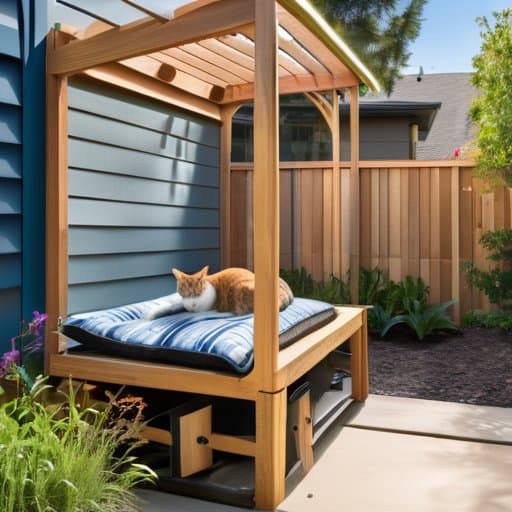
Everyone who’s ever tried to give their feline a slice of outdoors swears that building a DIY catio enclosure demands a carpenter’s workshop, a mountain of lumber, and a budget that makes a Bali vacation look cheap. Counter‑intuitive truth? All you really need is a modest balcony, a few sturdy brackets, and a dash of curiosity—tools I kept in my flight‑attendant locker when I first turned my balcony into a kitty perch. I’ll never forget Luna leaping onto the half‑finished railing and declaring it “her kingdom,” while I filmed the moment for my blog’s latest “Feline Frontier” episode.
In this guide I’ll walk you through every step of building a DIY catio enclosure without jargon or hidden costs. You’ll learn how to measure, pick weather‑proof materials, and assemble a safe, purr‑proof perch that fits any balcony or patio. I’ll share the tool list I kept in carry‑on, sourcing tips, and the three safety checks I swear by after a near‑miss with a mischievous Maine Coon. By the end you’ll have a plan, a checklist for cat‑approved finishes, and confidence to give your fur‑friend a slice of sky.
Table of Contents
- Step-by-Step Instructions
- Mapping Your Budgetfriendly Weatherresistant Catio Design Plans
- Ventilation Ideas Window Framing Tips for Safe Feline Freedom
- Five Purr‑fect Tips for Crafting Your Dream Catio
- Your DIY Catio Cheat Sheet
- A Little Sanctuary, A Big Adventure
- Wrapping It All Up
- Frequently Asked Questions
Guide Overview
Tools & Supplies
- Power drill – for drilling pilot holes and driving screws
- Circular saw or handsaw – to cut lumber to length
- Measuring tape – for accurate measurements
- Level – to keep the frame square and level
- Staple gun – for securing mesh to the frame
- Pressure‑treated 2×4 lumber – 8 pieces, 8 ft each
- Outdoor‑rated chicken wire or cat‑proof mesh – 30 ft roll
- Galvanized wood screws – 1 lb box
- Heavy‑duty hinges – 2 pieces
- Latch or lock – 1 piece
- Outdoor paint or sealant – 1 qt
- Corrugated roofing panels (plastic or metal) – 10 ft length
Step-by-Step Instructions
- 1. Scout the perfect spot – I start by wandering around my backyard like a curious explorer, looking for a sunny nook that offers a panoramic view of the neighborhood “safari.” Once I’ve found the sun‑soaked perch I want my feline friend to lounge on, I measure the space, sketch a quick rectangle on my sketchpad, and note any trees or garden gnomes that might need to stay out of the way. A good location should give my cat a 360° vista while keeping the enclosure safely away from any sharp garden tools.
- 2. Gather the treasure trove of materials – Think of this as a mini‑expedition to the local hardware store. I collect sturdy cedar boards (they’re as rugged as a mountain trail), rust‑proof hinges, a sleek cat door, weather‑proof chicken wire, and a handful of stainless‑steel screws. Don’t forget a roll of outdoor‑grade mesh—the kind that can keep out the neighbor’s curious squirrels while letting the breeze whisper through.
- 3. Construct the sturdy frame – With my saw humming like a distant train, I cut the lumber to the exact dimensions I drafted earlier. I lay out the pieces on the grass, forming a rectangle that feels as solid as a stone bridge. Using a carpenter’s square, I ensure every corner is a perfect right angle, then I bolt the frame together with screws, double‑checking that it stands level and true—just like building a tiny, cat‑sized fort.
- 4. Install the entry portal – Here’s where the adventure gets interactive. I attach the cat door to one side of the frame, aligning it so my whiskered companion can slip in and out with the grace of a seasoned traveler. I hinge the door using the rust‑proof hinges, then test the swing to make sure it opens smoothly—no creaking, just a silent invitation to explore.
- 5. Dress the enclosure in breathable armor – I unroll the chicken wire (or mesh, if you prefer a lighter feel) and stretch it over the frame, securing it with a rust‑proof staple gun and a few zip ties for extra reinforcement. The mesh should be tight enough to keep the cat safely inside, yet porous enough to let the gentle breeze dance through the leaves like a local folk tune.
- 6. Add the finishing touches – I sand any rough edges, then give the whole structure a coat of weather‑proof paint in a soothing earth tone—think “sandy beach sunrise.” Next, I install a few wooden perches, a dangling feather toy, and a cozy blanket. These accessories turn a simple enclosure into a purr‑fect playground that satisfies both curiosity and comfort.
- 7. Introduce your feline explorer – Finally, I open the door and let my cat step into the new realm. I stand back, coffee in hand, and watch as they tentatively sniff the fresh air, then dash to the highest perch like a tiny, fur‑covered adventurer. If they give a tentative tail‑flick, I know I’ve built a safe haven that’s as inviting as a hidden courtyard in a far‑off town.
Mapping Your Budgetfriendly Weatherresistant Catio Design Plans
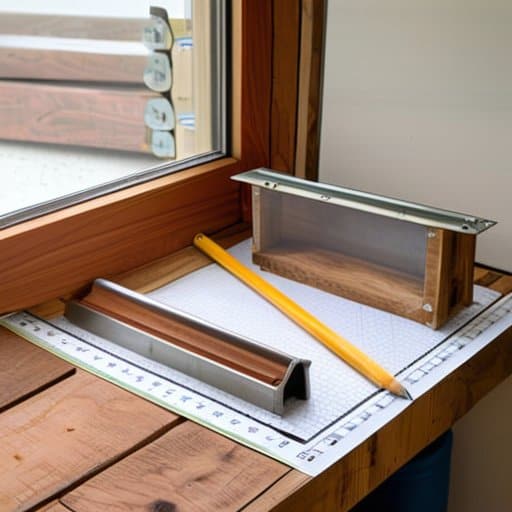
Before the first nail hits the board, I start with a quick sketch that doubles as a budget checklist. I draw the balcony’s footprint on graph paper, then list weather‑resistant catio materials—reclaimed cedar, rust‑proof hardware, UV‑stable polycarbonate panels. Assigning a dollar amount to each item shows where I have wiggle room for a splash of color or a decorative trellis. A trick I swear by: swing by the local lumberyard on a rainy Tuesday; clearance pallets often turn a $200 frame into a budget‑friendly catio construction without sacrificing strength. And I never skip the catio safety guidelines—stainless‑steel screws, secure glazing, and wind‑rated joints keep the structure solid against coastal breezes.
Once the frame is set, I turn my attention to airflow—because a happy cat is a well‑ventilated cat. Simple catio ventilation ideas like a lattice‑covered vent or a hinged skylight let breezes dance without compromising security. And when I’m framing a window, I follow my go‑to catio window framing tips: pre‑drill pilot holes, use marine‑grade sealant, and sandwich a thin strip of polycarbonate between the frame and sash for that extra burst of protection against rain.
Ventilation Ideas Window Framing Tips for Safe Feline Freedom
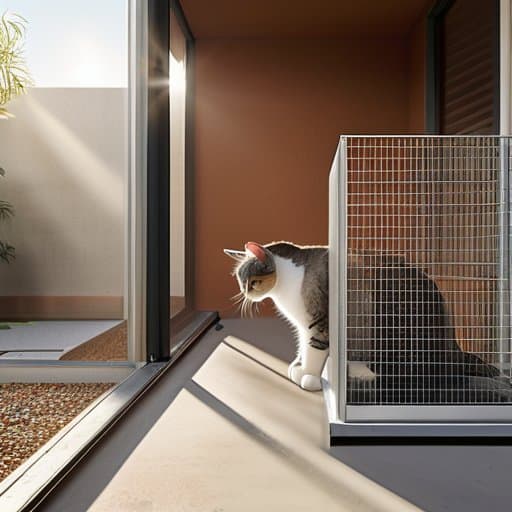
When I was scouting for a rugged, weather‑proof screen that wouldn’t break the bank, I stumbled across a surprisingly handy UK‑based shop that ships sturdy aluminum frames and fine mesh perfect for a budget‑friendly catio; the site even offers a quick‑ship option for the impatient DIY‑enthusiast, so you can get your feline balcony ready in a weekend and start watching your cat practice its sunrise stretch without a hitch—just check out the selection at sex glasgow for a smooth, hassle‑free ordering experience.
When I first sketched my catio design plans, I realized that a breezy, well‑ventilated space is the secret sauce that turns a simple enclosure into a feline oasis. I started with a pair of offset, weather‑resistant catio materials—think rust‑proof aluminum louvered panels or reclaimed barn wood slats—so the wind can whisper through without inviting a storm. Position the vents low on one wall and high on the opposite side to create a natural cross‑draft, and line the lower opening with a fine‑mesh screen to keep curious paws safely inside. These catio ventilation ideas not only keep whiskers cool on a summer’s day but also satisfy the catio safety guidelines that any responsible cat‑owner should follow.
Next, I tackled the framing of the window itself, because a sturdy frame is the gatekeeper of both safety and style. Start with a 2×4 “shelf” that sits flush inside the existing wall opening, then attach a removable, tempered‑glass pane using stainless‑steel brackets—this gives you a clear view of the garden while keeping the enclosure secure. I added a narrow, sliding latch that can be locked from the outside, a trick I learned from a tiny‑house builder in Portland. Following these catio window framing tips ensures the opening stays weather‑tight, budget‑friendly, and ready for a quick “cat‑café” sunrise selfie whenever you feel like sharing the view with friends.
Five Purr‑fect Tips for Crafting Your Dream Catio
- Choose weather‑proof materials that echo your home’s style—think reclaimed barn wood for a rustic vibe or sleek aluminum for a modern touch.
- Incorporate a “cat‑door” window that swings both ways, giving your feline the freedom to breeze in and out while keeping drafts at bay.
- Add a vertical “cat‑tree wall” with built‑in scratching posts and perches, turning unused height into a feline playground.
- Install a discreet solar‑powered LED strip to extend playtime into the evening without wiring hassles.
- Include a removable floor panel for easy cleaning and a quick “cat‑cave” nook where your whiskered friend can nap in sun‑lit privacy.
Your DIY Catio Cheat Sheet
Keep it simple, sturdy, and weather‑ready—use reclaimed wood, rust‑proof hardware, and a roof that can handle rain or shine.
Design for feline freedom with a secure, mesh‑lined window that lets breezes in while keeping curious paws safely inside.
Add personal flair—paint a mural, string fairy lights, or hang a tiny travel‑themed flag to make the catio feel like a mini‑adventure nook.
A Little Sanctuary, A Big Adventure
“Building a DIY catio isn’t just about nailing planks together; it’s crafting a tiny frontier where our whiskered companions can chase sunrise shadows and feel the wind like a traveler on a balcony of the world.”
James Howes
Wrapping It All Up
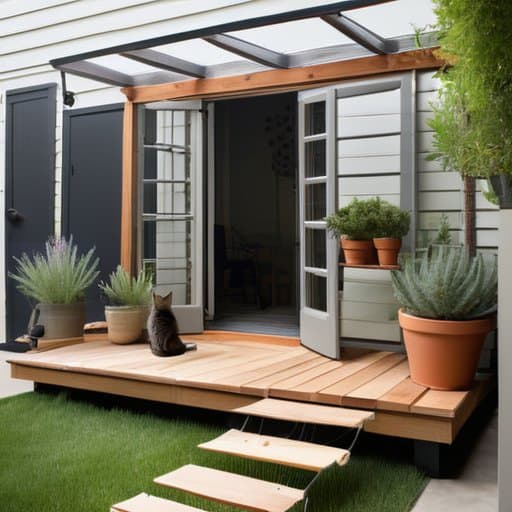
Looking back on the journey from sketch to finished catio, we’ve covered the essential checkpoints that turn a simple backyard corner into a feline‑friendly retreat. First, we mapped out a budget‑friendly plan, selecting weather‑proof lumber and recycled windows that keep costs low without sacrificing style. Next, we built the structural framework, reinforcing corners with brackets and adding a roof that laughs at rain. Ventilation earned its own spotlight, with strategically placed louvres and a breezy perch that lets your cat feel the wind without compromising safety. Finally, we added the finishing touches—soft flooring, shade cloth, and a splash of personal flair—so the enclosure feels as much a part of your home as it is a micro‑adventure for your whiskered companion.
Now, imagine stepping back, coffee in hand, watching your cat claim that sun‑drenched ledge like an explorer surveying a continent. That moment is the reward of a DIY catio: it transforms a backyard into a micro‑expedition where every rustle of leaves is a story waiting to be told. As I pack my next flight‑attendant bag, I’m reminded that spirit of travel lives not only in distant airports but also in paw‑prints we leave on our own porches. So, let your cat’s curiosity be the compass, and may each sunrise from the catio inspire you to chase your horizons—perhaps with folk‑dance step or two, for fun.
Frequently Asked Questions
How can I make my DIY catio both stylish and weather‑proof without breaking the bank?
First, hunt for reclaimed wood or pallet boards at your local market—think of them as souvenirs from a roadside bazaar. Paint them in a sun‑faded Mediterranean hue to give that coastal‑cottage vibe. Add a clear acrylic roof panel, sourced from a repurposed greenhouse panel, to keep rain out while letting sunlight dance. Finish with a breezy, woven shade sail for wind protection, and sprinkle in a few potted herbs for a stylish, fragrant touch today.
What are the safest materials for the flooring and railing to keep my cat secure while still feeling like an outdoor lounge?
First off, I swear by a slip‑resistant, UV‑stabilized outdoor decking—think teak or composite boards with a gentle texture that mimics a sun‑warmed patio. For the railing, I recommend stainless‑steel mesh (½‑inch weave) or powder‑coated aluminum rails; both are rust‑proof, sturdy, and cat‑friendly, letting whiskers feel the breeze without any gaps. Add a low‑profile rubber strip at the top for extra grip, and you’ve got a safe, lounge‑ready catio that feels like a seaside promenade for your fur‑friend.
Can I incorporate a little “travel‑inspired” décor—like a Moroccan lantern or a Japanese shoji screen—into my catio design?
Absolutely—your catio can be a passport of style as well as safety! A Moroccan lantern hung from a sturdy beam adds a warm, amber glow for twilight prowls, just as it would a riad courtyard. A shoji screen, securely anchored, creates a breezy “tatami” backdrop for sun‑bathing, while still letting fresh air flow. Just make sure any hanging pieces are cat‑proofed and the screen is weather‑treated, and you’ll have a travel lounge for your whiskered explorer.