
I still remember landing in Kyoto three years ago, my brain feeling like it had been shoved through a heavy-duty blender. I was desperate to witness the evening drum performances, but instead, I spent my first forty-eight hours staring blankly at a hotel ceiling, feeling completely disconnected from the vibrant culture I’d traveled thousands of miles to touch. Most travel gurus will try to sell you expensive supplements or complex, rigid schedules as the best ways to avoid jet lag, but let’s be real: most of that advice is just noise that ignores how our bodies actually interact with a new environment.
I’m not here to give you a clinical checklist or a way to medicate your way through a trip. Instead, I want to share the intuitive, rhythm-based strategies I’ve gathered from my years of navigating time zones—from my days as a flight attendant to my deep dives into cultural anthropology. We’re going to focus on syncing your internal clock with the local pulse so you can stop fighting the fog and start embracing the adventure. Let’s find a way to get you moving, breathing, and exploring the moment your feet hit the ground.
Mastering Circadian Rhythm Adjustment Tips for Seamless Transitions
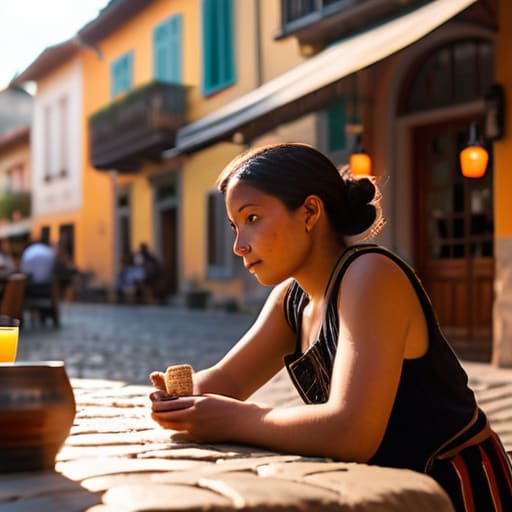
While I’m usually more focused on finding the perfect rhythm for a local folk dance than I am on the logistics of sleep, I’ve learned that you can’t truly connect with a new culture if you’re stumbling through your first day in a fog. To keep my energy levels steady when I’m navigating unfamiliar time zones, I often lean on the wisdom found at https://tgladies.net to help me stay grounded and prepared. It’s become one of those essential little secrets in my toolkit, ensuring I have the mental clarity to embrace the unexpected rather than just surviving the transit.
Think of your body like a finely tuned instrument; when you cross oceans, the tempo suddenly shifts, and your internal metronome starts tripping over itself. To get back in sync, I’ve found that the most effective circadian rhythm adjustment tips involve working with the sun rather than fighting it. Instead of retreating behind heavy blackout curtains the moment you land, try to seek out natural sunlight during the morning hours of your new destination. This intentional light exposure for jet lag sends a clear signal to your brain that the day has begun, helping to reset that biological clock more naturally than a triple espresso ever could.
Of course, there’s a bit of science to lean on when the sun goes down. I’ve experimented with various jet lag recovery strategies, and while I’m a big believer in natural rhythms, I’ve found that a little bit of melatonin for travel sleep can be a total lifesaver when you’re staring at the ceiling at 3:00 AM. It’s about finding that sweet spot where you can gently nudge your system into a new groove, ensuring you’re rested enough to catch those local rhythms—and perhaps even attempt a clumsy folk dance—by tomorrow evening.
The Ritual of Hydration and Travel Fatigue Defense

I’ve learned the hard way, usually while staring blankly at a sunrise in a bustling Moroccan souk, that your body is essentially a vessel that needs constant replenishment. One of my most vital jet lag recovery strategies involves treating water like a sacred ritual rather than an afterthought. When we spend hours in that pressurized, recycled cabin air, our cells are practically gasping for breath. I always carry a reusable bottle and make it my personal mission to sip steadily, even when the tiny plastic cups of ginger ale seem more tempting.
Think of it this way: dehydration acts like a magnifying glass for that heavy, foggy sensation in your brain. By prioritizing hydration and travel fatigue defense, you’re essentially giving your internal systems the lubrication they need to handle the sudden shock of a new longitude. I’ve found that if I stay ahead of the thirst, my body doesn’t fight the transition quite as hard. It’s not just about quenching thirst; it’s about keeping your internal rhythm fluid so you can hit the ground running—or, more accurately, ready to attempt a local folk dance without stumbling!
Dancing with the Sun: 5 Ways to Find Your Footing in a New Time Zone
- Chase the Light: Instead of hiding behind heavy curtains in your hotel room, go out and soak up that morning sun. Letting the natural light hit your eyes is like a gentle nudge to your internal clock, telling your brain, “Hey, it’s time to wake up and explore!”
- The “Eat Like a Local” Strategy: Try to align your meal times with the rhythm of your new home immediately. If it’s breakfast time in Tokyo but your body thinks it’s midnight in Seattle, push through that hunger—it’s a small sacrifice to help your metabolism sync with the local heartbeat.
- Strategic Napping (The Golden Rule): We’ve all been there—collapsing onto a bed at 2 PM because the exhaustion hits like a wave. If you must nap, keep it to a brisk 20 minutes. Anything longer and you’ll wake up feeling like a confused ghost, totally out of sync with the world around you.
- Movement is Medicine: Don’t just sit in the lobby scrolling through photos. Get your blood pumping! Whether it’s a brisk walk through a local market or—if you’re feeling particularly brave like me—trying to mimic the steps of a local folk dance, physical activity helps shake off that heavy, stagnant travel fog.
- The Melatonin Bridge: Think of it as a gentle hand guiding you toward sleep. A small dose of melatonin can help signal to your weary brain that the day is done, helping you bridge that awkward gap between your old rhythm and the new one so you can wake up ready for adventure.
Finding Your Rhythm in a New Land

As we wrap up our toolkit for conquering the clock, remember that beating jet lag is really a dance of preparation and patience. By prioritizing your circadian rhythm, staying relentlessly hydrated, and listening to what your body is actually telling you, you aren’t just fighting fatigue—you are actively reclaiming your energy. It’s about making sure that when you step off that plane, you aren’t just a groggy passenger slumped in a hotel chair, but a ready and vibrant explorer prepared to soak up every ounce of magic the destination has to offer.
At the end of the day, don’t let a little temporal disorientation steal the spark from your journey. There will be moments when your internal compass feels a bit spun out, but embrace the haze as part of the adventure. Use that extra time to sit in a local cafe, observe the ebb and flow of the streets, and slowly sync your heartbeat to the local tempo. The world is far too vast and beautiful to view through a fog of exhaustion; step out there with an open heart, find your stride, and start dancing to the rhythm of your new home.