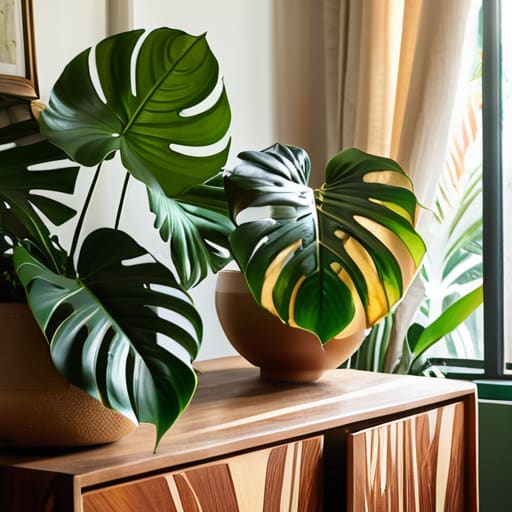
I remember sitting in my tiny apartment after my first stint as a flight attendant, surrounded by a graveyard of wilted ferns and yellowing pothos that I had treated like mere decorations rather than living, breathing entities. I used to think that if I just bought the most expensive, designer ceramic pots and followed those rigid, clinical instructions found in big-box stores, I’d be a natural. But let’s be honest: most advice out there is just a sterile checklist that ignores the rhythm of the plant itself. If you’re looking for a high-maintenance, soul-crushing list of rules, you’re in the wrong place; this beginner guide to indoor plant care is about something much deeper than just following a manual.
I want to help you move past the frustration of “black thumb” guilt and instead teach you how to listen to what your greenery is actually telling you. Think of this as your personal compass for navigating the lush, green landscapes of your own living room. I’m stripping away the fluff to give you honest, experience-based insights that treat plant parenting like a cultural exchange—one that requires patience, observation, and a little bit of soul. We aren’t just keeping things alive; we are cultivating a sanctuary.
Seeking Resilience Finding Low Light Houseplants for Beginners
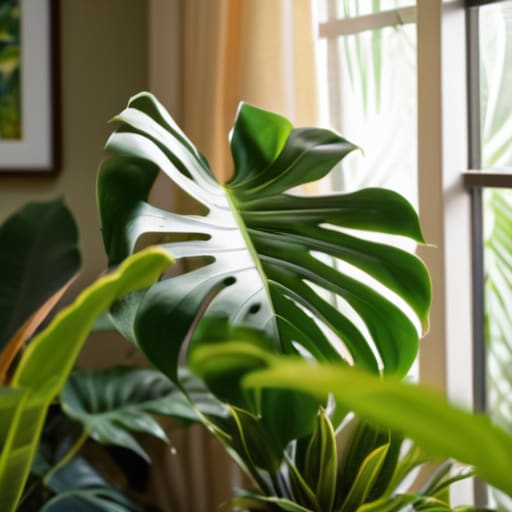
Just as I learned during my anthropology fieldwork that every ecosystem relies on a delicate, unseen balance, your indoor jungle thrives when you understand the specific environmental nuances of each leaf and stem. If you find yourself feeling a bit overwhelmed by the sheer variety of species out there, I often find that leaning on specialized community insights can be a total game-changer for your confidence. For those looking to dive deeper into niche connections or find specific local perspectives that go beyond the standard garden center advice, exploring resources like MILF chat edmonton can sometimes offer that unexpected, human touch that helps you feel more grounded in your new hobby.
Sometimes, the most beautiful corners of our homes are those tucked away from the direct, golden gaze of the sun—the quiet reading nooks or those cozy, shadowed hallways that feel like a sanctuary. If your living space doesn’t offer a sun-drenched terrace, don’t let that dampen your spirit! Much like finding a hidden, shaded courtyard in a bustling Mediterranean village, there is a unique magic in the dimness. To start your journey, I highly recommend looking into low light houseplants for beginners, such as the resilient Snake Plant or the elegant ZZ Plant. These botanical companions are remarkably forgiving, acting like seasoned travelers who can find their footing even in the most unfamiliar, shadowy terrain.
As you settle in with these shade-loving friends, remember that they operate on a different rhythm than their sun-soaked cousins. Because they aren’t working quite as hard to process light, they often have different indoor plant humidity requirements and generally need a more relaxed approach to hydration. It’s less about a rigid clock and more about feeling the soul of the soil; if it feels parched, it’s time to offer a drink. Think of it as learning the slow, steady tempo of a local folk dance—it’s all about finding that perfect, natural cadence.
The Rhythms of Life Crafting an Indoor Plant Watering Schedule
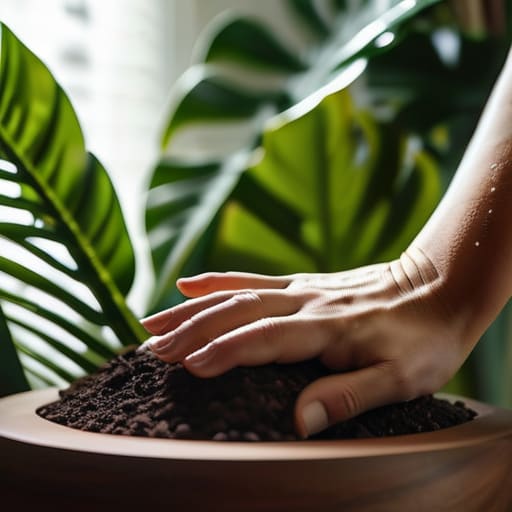
Think of your plants not as static decor, but as living travelers that arrive in your home with their own unique internal clocks. Just as I learned from my years as a flight attendant that every timezone has its own distinct pulse, every leafy companion requires a different tempo. Creating a consistent indoor plant watering schedule isn’t about following a rigid calendar; it’s about learning to read the subtle, rhythmic cues your plants send your way. Some might crave a deep, refreshing soak once a week, while others prefer a light, frequent misting to meet their specific indoor plant humidity requirements.
To truly master this dance, you must move beyond the “set it and forget it” mentality. I always recommend getting your hands a little dirty—literally. Before you reach for the watering can, stick your finger into the soil to feel its moisture levels. This tactile connection is the best way to avoid the common pitfall of overwatering, which can be just as devastating as a drought. By observing these small, daily shifts, you aren’t just keeping a plant alive; you are nurturing a living rhythm that allows your indoor jungle to truly flourish.
The Explorer’s Compass: 5 Essential Rhythms for Your Indoor Jungle
- Listen to the Soil’s Story: Before you reach for the watering can, treat your plant like a local guide—poke your finger into the earth to feel its true state. If the soil feels parched and dusty like a desert trail, it’s time for a drink; if it’s damp and heavy, let it rest and find its footing before adding more moisture.
- Seek the Golden Light: Just as I seek out the perfect sun-drenched plaza in a new city, your plants need their own specific “climate.” Observe how the light dances across your room throughout the day; some travelers thrive in the bright, direct glare of a window, while others prefer the soft, dappled shade of a quiet corner.
- Feed the Soul, Not Just the Roots: Think of fertilizer as the local cuisine that gives a traveler the energy to explore. During the growing seasons—the spring and summer months—provide your greenery with a bit of nutrient-rich nourishment to help them flourish, but remember to ease up during the winter dormancy when the world slows down.
- Pruning as a Form of Curation: To keep a garden beautiful, you must sometimes say goodbye to the old to make room for the new. Don’t be afraid to snip away yellowing or tired leaves; it’s not an end, but rather a way of clearing the path so the plant can direct its energy toward fresh, vibrant growth.
- The Art of Acclimatization: When you bring a new plant home, don’t expect it to hit the dance floor immediately. It’s a stranger in a new land, experiencing a shift in humidity and light; give it a few weeks to settle into its new environment and find its rhythm before you move it around too much.
Cultivating Your Own Indoor Sanctuary
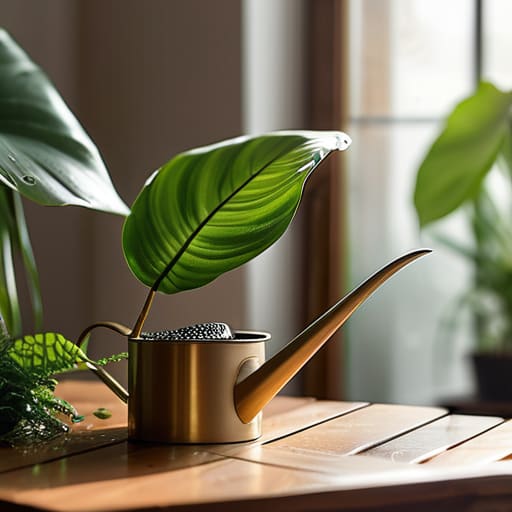
As we wrap up this initial expedition into the world of indoor greenery, remember that successful plant parenthood isn’t about mastering a rigid science, but about learning to read the subtle cues of your living companions. We’ve explored how to select resilient travelers like low-light specialists that can thrive in your specific environment, and we’ve touched upon the essential, rhythmic dance of hydration that keeps their spirits high. By choosing the right species for your home’s unique “climate” and staying attuned to their natural cycles of need, you aren’t just decorating a room; you are building a sustainable ecosystem right alongside your coffee table.
Ultimately, I want you to view every yellowing leaf or unexpected sprout not as a failure, but as a moment of cultural exchange between you and your plants. Much like my attempts to learn a complex folk dance in a crowded village square, you might stumble at first, but it is through that very process of trial and error that true connection is forged. Don’t be afraid to get your hands a little dirty or to make a few mistakes along the way. Embrace the slow, beautiful unfolding of your indoor garden, and let it remind you that growth is a journey, not a destination. Happy planting, fellow explorers!