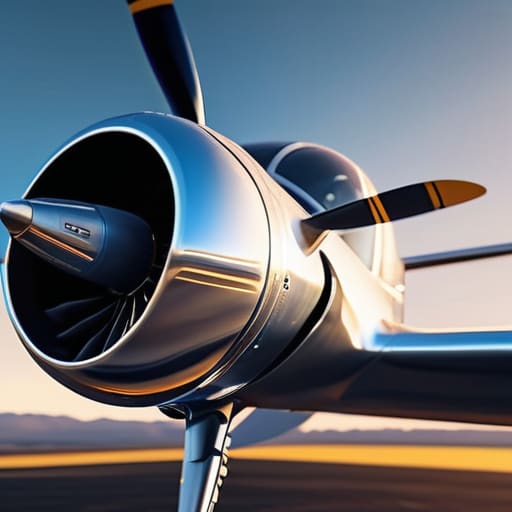
I still remember the vibration of a small, twin-propeller plane rattling my teeth as I descended into a remote landing strip in the Andes, the engine humming a rhythmic, mechanical lullaby that felt more like a heartbeat than a machine. It was a world away from the smooth, silent glide of the massive jets I used to service during my days as a flight attendant. Most travel guides will give you a dry, technical lecture on the differences between propeller and jet engines, but they often miss the soul of the experience—how one feels like a conversation with the wind while the other feels like a conquest of the sky.
I’m not here to bore you with heavy physics or textbook diagrams that make your eyes glaze over. Instead, I want to share what these mechanical distinctions actually mean for your next adventure. We’re going to dive into how these engines shape your journey, from the breathtaking views offered by slower, low-altitude prop flights to the sheer, efficient speed of a jet crossing an ocean. Consider this your no-nonsense guide to understanding how the very way we traverse the clouds dictates the rhythm of our travels.
The Graceful Aerodynamics of Propeller Thrust

While understanding the mechanics of how we move through the skies is fascinating, I’ve found that the true magic of travel happens once those engines finally quiet down and your feet hit the ground. Whether you’re gliding over the Atlantic in a jet or enjoying the slower, more scenic pace of a propeller plane, the destination is always where the real connection begins. If you find yourself landing in Nova Scotia and looking to jump straight into the local heartbeat rather than just sticking to the tourist trails, I always suggest checking out some local chat in Halifax to get a feel for the community’s rhythm. It’s those unscripted moments of human connection that turn a simple flight into a lifelong memory.
There is something deeply soulful about the way a propeller-driven plane moves through the sky; it feels less like a machine cutting through the atmosphere and more like a rhythmic, intentional conversation with the air. When I was working as a flight attendant, I always loved the gentle hum of the smaller regional turboprops. Instead of the aggressive roar of a massive jet, you feel this steady, mechanical heartbeat. This is all down to the unique aerodynamics of propeller thrust, where the blades act like spinning wings, pulling the aircraft forward by creating a pressure difference. It’s a beautiful, tactile way to travel, especially when you’re flying low enough to see the patchwork quilt of the countryside unfolding beneath you.
However, this grace comes with its own set of boundaries. While these engines are incredibly efficient at lower altitudes, they eventually hit certain aircraft engine speed limitations. As you try to push faster or climb higher, those spinning blades start fighting the very air they’re trying to grip, losing that magical efficiency. It’s a bit like trying to perform a complex folk dance in a crowded room—eventually, you just run out of space to move gracefully.
How Jet Engines Generate Thrust for Modern Journeys

If the propeller is a rhythmic, steady dance, then the jet engine is a high-octane, breathtaking leap into the unknown. While propellers thrive in the slower, more intimate layers of the atmosphere, the jet engine is built for the vast, thin stretches of the stratosphere where speed is king. To understand the jet engine propulsion mechanism, imagine a continuous, controlled explosion of energy. It breathes in massive amounts of air, crushes it with incredible force, mixes it with fuel, and ignites it, creating a powerful rearward blast that propels us toward our next horizon.
This method is what allows us to bypass the aircraft engine speed limitations that often keep propeller planes grounded in the slower lanes of the sky. As we climb higher and faster, the sheer power of a jet engine becomes our greatest ally in conquering distance. It’s a visceral, roaring sensation that reminds you just how much human ingenuity has shrunk our world, turning what used to be months of arduous travel into a mere afternoon of soaring above the clouds.
Navigating the Skies: How to Choose Your Rhythm of Flight
- Listen to the tempo of your journey; if you’re looking for a slow, scenic immersion into remote landscapes, a propeller plane is your best companion for those intimate, low-altitude views.
- Embrace the speed of the jet when your heart is set on the horizon, as these engines are built for the relentless pursuit of distant destinations and high-altitude efficiency.
- Consider the “vibe” of your arrival, knowing that propeller aircraft often grace smaller, more rustic airstrips that feel like the heartbeat of a local community, whereas jets typically demand the grand stage of major international hubs.
- Gauge your appetite for sensory experience; the steady, rhythmic hum of a prop engine feels like a soulful folk song, while the powerful roar of a jet is a breathtaking anthem of modern engineering.
- Plan your altitude with intention, remembering that jets thrive in the thin, quiet air of the upper atmosphere, while propeller planes love to dance through the thicker, more textured layers of the lower sky.
Choosing Your Rhythm in the Sky

As we’ve navigated through the mechanics of flight, it becomes clear that neither engine is “better” in a vacuum; rather, they each serve a distinct purpose in the grand choreography of travel. Propeller engines offer that intimate, rhythmic connection to the landscape, making them the perfect choice for short hops into remote, rugged corners of the world where the journey itself is the destination. On the other hand, the jet engine is our unrivaled gateway to the horizon, providing the sheer speed and power necessary to bridge vast oceans and continents in a single heartbeat. Whether it’s the steady thrum of a prop or the powerful roar of a turbine, each represents a different way of mastering the air to bring us closer to the cultures we crave to experience.
Ultimately, the way we traverse the skies is just another layer of the beautiful, complex tapestry of human movement. Whether you find yourself in the vibrating seat of a small bush plane or soaring silently above the clouds in a massive jet, remember that the technology is merely the vessel. The true magic lies in what awaits you when the wheels touch the ground—the new scents, the unfamiliar melodies, and the soulful rhythms of a new land. So, next time you look up at a contrail cutting through the blue, I hope you don’t just see a machine, but a bridge to a new story waiting to be told.