I still remember the scent of stale coffee and aviation fuel clinging to my jacket during those long, late-night study sessions back when I was first navigating the complexities of flight school. There’s a specific kind of sensory overload that hits you when you’re staring at a cockpit manual, feeling like you’re trying to learn a new language while simultaneously balancing on a tightrope. People often mistake the sheer volume of gear for actual competence, but let me tell you, cluttering your flight bag with every shiny gadget on the market isn’t the same as being prepared. Finding the true essential tools for student pilot training isn’t about how much you can spend; it’s about finding the soulful connection between your intuition and your instruments.
I’m not here to sell you on a lifestyle or push a list of overpriced tech that you’ll forget in a hangar. Instead, I want to share the grounded, no-nonsense reality of what actually helps you bridge the gap between a nervous novice and a confident explorer of the skies. Think of this as my personal map through the clouds—a curated guide to the practical essentials that will actually support your journey, helping you focus less on the gear and more on the extraordinary rhythm of flight.
Finding Your Rhythm With Aviation Headset Recommendations
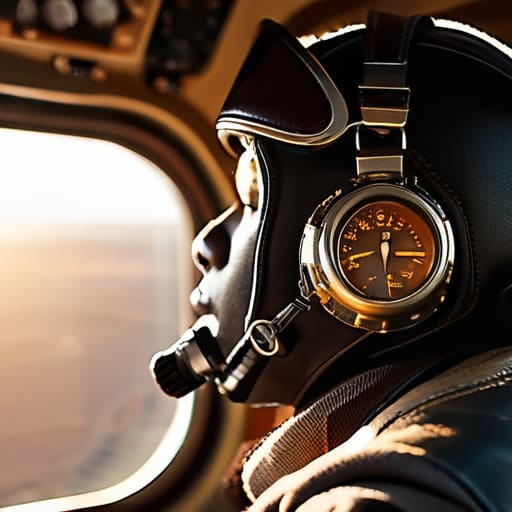
If there is one thing my time spent studying different cultures has taught me, it’s that you can’t truly connect with your surroundings if you’re constantly fighting against the noise. In the cockpit, that “noise” isn’t just engine roar; it’s the barrier between you and the instructor’s guidance. When I’m looking through various aviation headset recommendations, I don’t just look at decibel ratings. I look for something that feels like a natural extension of the pilot. You want a piece of gear that allows you to tune into the rhythmic heartbeat of the aircraft while still hearing the subtle nuances of radio communications.
Think of your headset as your personal translator in a foreign land. A high-quality noise-canceling set transforms a chaotic, loud environment into a focused, intimate space where learning can actually happen. It’s a vital component of your flight training gear checklist because, much like learning a complex local dance, you need to be able to hear the tempo to get the steps right. Investing in a headset that offers both comfort and clarity ensures that your focus remains on the horizon, rather than on the fatigue of a loud cabin.
The Flight Training Gear Checklist for Soulful Skies
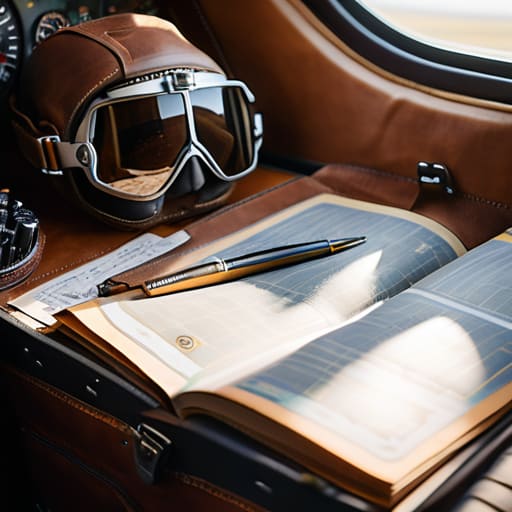
When I was studying the intricate social structures of remote villages, I learned that the smallest ritualistic tools often hold the most profound meaning. Training to fly feels remarkably similar; it’s about more than just mechanics, it’s about the sacred connection between you and the cockpit. To keep that connection seamless, you need a reliable flight training gear checklist that accounts for both function and soul. I always tell my clients that your gear shouldn’t just be a collection of plastic and metal, but an extension of your own senses as you navigate the vast, breathing sky.
I can’t stress enough how much a well-organized pilot kneeboard and flight bag can change your mental state during a lesson. There is a certain meditative peace that comes from knowing exactly where your charts and pens are located while you’re busy interpreting the wind’s subtle whispers. Instead of fumbling through a chaotic backpack, having your essential student pilot navigation tools tucked neatly into a dedicated kneeboard allows you to stay present in the moment. It transforms a frantic scramble for information into a graceful, intentional dance with the elements.
The Navigator’s Toolkit: 5 Ways to Ground Your Flight Training Journey
- Invest in a high-quality flight bag that acts as your personal sanctuary; much like a well-organized traveler’s rucksack, a dedicated aviation bag keeps your charts, kneeboard, and logs from becoming a chaotic mess during pre-flight prep.
- Master the art of the E6B flight computer, but treat it like a local dialect—don’t just memorize the buttons, strive to truly understand the “language” of wind correction and fuel burn so you can converse fluently with the physics of the sky.
- Carry a reliable, ruggedized tablet loaded with digital charts, but always remember the anthropologist’s rule of redundancy: never rely solely on technology, as having a physical sectional chart is your ultimate way to stay connected to the terrain when the screen goes dark.
- Keep a dedicated flight journal by your side to document not just the technical maneuvers, but the sensory details of your lessons—the way the light hits the horizon or the specific rhythm of a perfect landing—to turn every flight into a meaningful story of growth.
- Prioritize a high-quality kneeboard that stays snug against your leg, serving as your cockpit’s “map room” where you can quickly reference checklists and waypoints without losing your flow or your connection to the cockpit environment.
Preparing for Liftoff
As you begin to assemble your flight bag, remember that these tools are more than just mere equipment; they are the instruments that will help you interpret the language of the sky. From the immersive clarity of a high-quality aviation headset that lets you hear the subtle nuances of radio chatter, to the meticulously curated checklist of gear that ensures you’re ready for any weather, every item serves a purpose in your training. Just as I’ve learned through my travels that the right map can transform a confusing trek into a meaningful cultural odyssey, the right gear will transform a daunting lesson into a seamless dance with the elements. Having these essentials by your side allows you to move past the technical anxieties and truly focus on the sensory magic of flight.
Ultimately, your journey through flight school is much like my own expeditions into the heart of a new country: it requires preparation, curiosity, and a willingness to embrace the unexpected. There will be moments when the winds shift or the navigation feels complex, but that is where the real growth happens. Don’t just aim to master the machine; strive to connect with the vastness above you. As you step into the cockpit for the first time, carry your tools with confidence, but keep your heart open to the extraordinary wonder of the horizon. The sky isn’t just a training ground; it is a boundless canvas waiting for your unique story to be written upon it.
Beyond the physical gear, I’ve learned that the most profound part of any new journey—whether you’re navigating a bustling market in Marrakech or the complex airspace of your first solo flight—is finding those quiet, private moments to decompress and reflect on the intensity of the experience. When the adrenaline of a lesson starts to fade and you find yourself needing a way to unwind or connect with something entirely different from the cockpit, exploring an anonymous sex chat can offer a unique kind of digital escape to help you reset. It’s all about maintaining that internal balance so you can return to your training with a clear mind and a spirit ready for the next adventure.