
I still remember sitting in a cramped cockpit in the Andes, the smell of stale coffee and ozone filling the air, while staring at a screen full of cryptic strings of letters and numbers that felt more like an ancient, undecipherable dialect than actual data. I felt completely disconnected from the world outside the window, paralyzed by the fear that I was missing a vital rhythm of the sky. Most people think you need a PhD in meteorology or a massive budget for high-end software to truly understand how to read aviation weather reports, but that’s a total myth that keeps many curious explorers grounded. In reality, these reports aren’t just cold data; they are the pulse of the atmosphere waiting to be understood.
I’m not here to drown you in academic jargon or sell you a subscription to a glorified weather app. Instead, I’m going to pull back the curtain and show you how to translate those technical codes into a meaningful map of the sky. We’re going to strip away the intimidation and focus on the practical intuition you need to navigate your journey with confidence. By the end of this, you won’t just be reading symbols; you’ll be listening to what the wind is actually trying to tell you.
Interpreting Metar and Taf Reports With a Curious Heart

As you begin to find your rhythm with these technical codes, remember that the most profound insights often come from the people who live within the weather patterns themselves. While the data gives you the skeleton of the journey, connecting with the local community provides the living, breathing pulse of a destination. If your travels happen to lead you through the misty, storied landscapes of the British Isles, I’ve found that engaging in some local chat in UK can reveal those subtle atmospheric shifts that even the most precise METAR might miss. It’s about moving beyond the screen and into the heart of the conversation, ensuring your navigation is guided by both science and soul.
When you first lay eyes on a METAR or TAF report, it can feel less like a weather update and more like an ancient, cryptic script left behind by a nomadic tribe. But don’t let those strings of letters and numbers intimidate you! Think of interpreting METAR and TAF reports as learning the local dialect of the sky. A METAR is essentially a snapshot of the present moment—a quick “hello” from the atmosphere—while a TAF is more like a storyteller, offering a glimpse into the rhythmic patterns of what the weather might become over the next few hours.
As I sit in a small café in the Andes, watching the clouds roll in, I realize that decoding aeronautical meteorological data is really about developing an intuition for the environment. You aren’t just looking for wind speed or visibility; you are looking for the mood of the journey. Are the clouds shifting in a way that suggests a sudden change, or is the atmosphere settling into a steady, predictable dance? Once you move past the initial confusion, these codes become a beautiful, shorthand language that allows you to synchronize your travel plans with the very breath of the world.
A Pilot Weather Briefing Essentials for the Soulful Explorer

Now, if the METAR and TAF are the rhythmic pulses of the atmosphere, then a formal pilot weather briefing is like sitting down with a local elder to hear the true legends of the land. While the automated reports give you the raw data, a briefing adds that layer of human context that turns a simple flight into a meaningful passage. It’s about moving beyond mere numbers and truly decoding aeronautical meteorological data to understand the nuance of the journey ahead.
When you dive into these briefings, you aren’t just checking for turbulence; you are learning the subtle language of the skies. Part of mastering these pilot weather briefing essentials involves understanding PIREP and AWOS—those precious, real-time whispers from pilots who have just navigated the same currents you’re about to face. It’s much like asking a local shopkeeper about the best time to visit a hidden temple; it provides a sense of timing and grace that a computer readout simply cannot capture. By embracing this deeper layer of preparation, you ensure your adventure remains as smooth as a well-rehearsed folk dance.
Five Compass Points for Navigating the Skies with Confidence
- Listen to the wind’s whispered secrets; don’t just glance at the wind direction and speed in a METAR, but try to visualize how those gusts will feel against the wings of your aircraft as you approach a new, unfamiliar coastline.
- Look beyond the immediate horizon by cross-referencing your TAF with real-time observations, ensuring you aren’t just planning for the weather as it is now, but preparing your spirit for the shifts that may arrive while you’re mid-journey.
- Treat ceiling and visibility data as the “curtains” of your destination; knowing whether they are drawn tight by fog or pulled wide by clear skies helps you decide if you’re truly ready to experience the landscape below or if you should wait for a more welcoming reveal.
- Decode the cryptic shorthand of temperature and dew point spreads to sense the invisible moisture in the air, much like sensing the humidity before a tropical dance in a village square, which tells you if clouds are about to settle in for a visit.
- Never ignore the PIREP (Pilot Report) as the ultimate storyteller; while automated reports give you the facts, a fellow traveler’s firsthand account of turbulence or icing provides the soulful, lived reality of the sky that no machine can quite capture.
Dancing with the Winds of Change
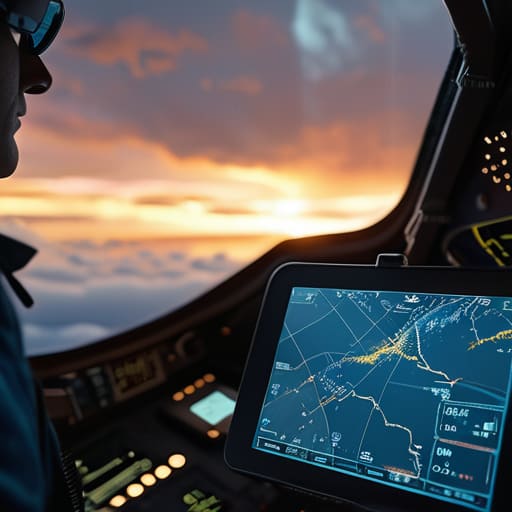
As we wrap up our deep dive into the cryptic shorthand of the skies, remember that mastering METARs, TAFs, and pilot briefings isn’t just about technical proficiency; it’s about developing a dialogue with the atmosphere. By learning to decode these reports, you aren’t just checking boxes on a pre-flight list—you are actively listening to the breath of the world. Whether you are deciphering wind shear or spotting a sudden shift in visibility, these tools allow you to navigate with intention, ensuring that your journey remains a pursuit of discovery rather than a battle against the elements.
Ultimately, I want you to view these weather reports as the sheet music to your aerial dance. Just as I might stumble through a clumsy folk dance in a village square before finally finding the rhythm, learning to read the skies takes practice, patience, and a bit of a curious spirit. Don’t let the technical jargon intimidate you; instead, let it empower you to embrace the unpredictable beauty of our planet. Fly with preparation, stay mindful of the shifting rhythms around you, and most importantly, keep your eyes wide open to the extraordinary tapestry waiting just beyond the clouds.