I remember sitting in the jumpseat during one of my early flights, watching the passengers nervously clutch their armrests every time we hit a pocket of turbulence. Most people think that understanding the basics of flight mechanics requires a PhD in aerospace engineering or a mountain of dry, intimidating textbooks that make your eyes glaze over. They treat the physics of flight like some impenetrable secret guarded by pilots and engineers, but I’ve always found that approach incredibly reductive. To me, the way a massive vessel stays suspended in the air isn’t just math; it’s a graceful, invisible choreography of forces that is actually quite beautiful once you strip away the jargon.
I’m not here to bore you with complex equations or academic fluff that leaves you more confused than when you started. Instead, I want to offer you a different perspective—one rooted in my years of seeing the world from thirty thousand feet. I promise to guide you through the essential rhythms of lift, weight, thrust, and drag using real-world analogies that actually stick. By the end of this, you won’t just be a passive passenger; you’ll have a genuine, soulful appreciation for the incredible dance that carries us toward our next great adventure.
The Four Forces of Flight Explained a Cosmic Dance
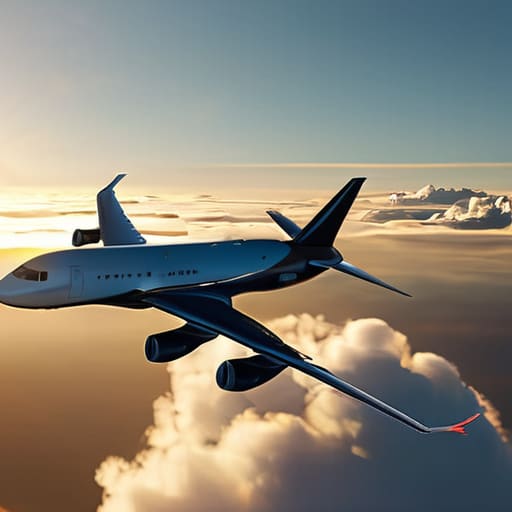
To truly appreciate the magic of soaring above the clouds, we have to look at the invisible tug-of-war happening all around the fuselage. Think of it as a high-stakes choreography where four distinct players are constantly negotiating for dominance. When we look at the four forces of flight explained, we aren’t just talking about physics; we are talking about the balance required to keep a massive machine suspended in the ether. You have thrust pushing us forward, drag trying to pull us back, weight pulling us toward the earth, and lift—that glorious, upward pull—fighting to keep us aloft.
It’s a delicate equilibrium, much like trying to master a complex folk dance where one wrong step can throw your entire rhythm off. To get that lift, engineers rely on wing airfoil design basics to manipulate the air flowing over the surface. As the air moves, we see Newton’s third law in flight in action: the wing pushes the air down, and in a beautiful, reciprocal exchange, the air pushes the wing up. It’s this constant, rhythmic negotiation between opposing forces that allows us to transition from mere travelers to true voyagers of the sky.
Lift Drag Thrust and Weight Finding the Rhythmic Balance
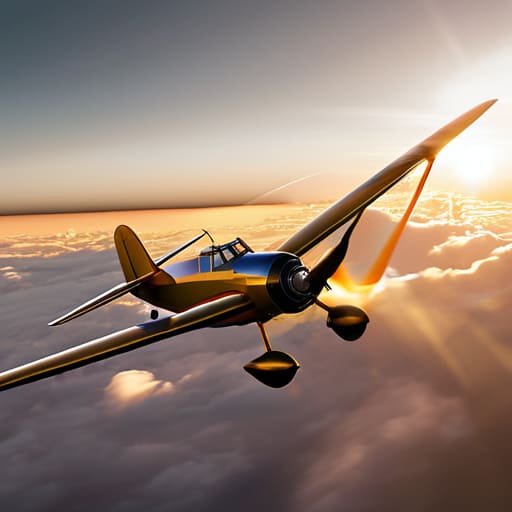
Think of these four forces not as rigid mathematical equations, but as the players in a complex, global choreography. When we talk about lift, drag, thrust, and weight, we’re really talking about the delicate equilibrium required to keep us suspended between the clouds and the earth. Imagine a traditional folk dance where every movement must be perfectly timed; if the dancers move too fast or lose their footing, the grace of the performance vanishes. In the same way, an airplane relies on the constant negotiation between these forces to maintain its path through the sky.
To get a sense of how this works, we have to look at the interplay of physics. Thrust pushes us forward, while drag tries to pull us back, much like the resistance you feel when walking through a crowded street market. Meanwhile, the upward pull of lift must constantly battle the downward tug of weight. Understanding these aerodynamics principles for beginners helps us appreciate that flying isn’t just about raw power; it’s about a subtle, rhythmic harmony that allows a massive machine to glide as effortlessly as a bird on a summer breeze.
Navigating the Invisible: My Tips for Feeling the Rhythm of the Skies
- Look beyond the metal and wires; try to visualize the air as a fluid, living medium that the aircraft is constantly negotiating with, much like a dancer finding their footing on a crowded floor.
- Pay close attention to the subtle shifts in your seat; those tiny changes in pressure are the physical language of the four forces constantly rebalancing themselves to keep your journey smooth.
- Don’t just memorize the physics—connect them to the sensation of movement, recognizing that every climb or descent is a deliberate, beautiful conversation between thrust and gravity.
- Keep a curious eye on the weather patterns outside your window, as wind and air density are the unexpected “music” that dictates how much lift and drag your plane will encounter during the flight.
- Embrace the slight wobbles and turns; instead of seeing them as turbulence, view them as the aircraft performing its intricate, mechanical choreography to stay true to its path through the atmosphere.
Finding Your Rhythm in the Skies
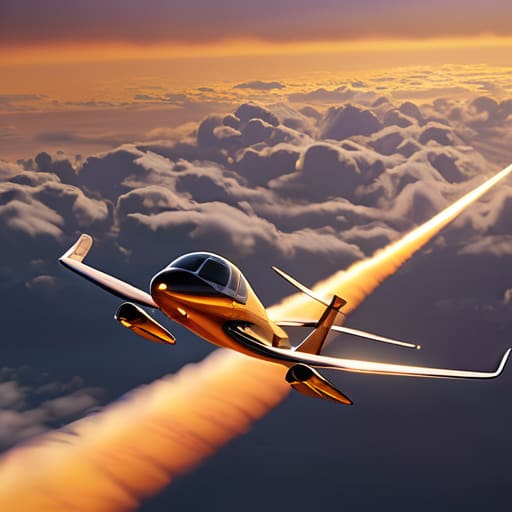
As we wrap up our deep dive into the invisible architecture of the air, I hope you can see that flight is so much more than just cold equations and metal wings. We’ve danced through the delicate interplay of lift, drag, thrust, and weight, seeing how these four forces must perform a perfectly synchronized ballet just to keep us suspended above the clouds. Understanding these mechanics doesn’t strip away the magic of travel; rather, it adds a layer of profound respect for the masterful equilibrium required to bridge the vast distances between our diverse cultures. When you look up at a contrail streaking across a sunset, you’re no longer just seeing a plane—you’re witnessing a triumph of physical harmony.
So, the next time you find yourself settling into a window seat, gazing out at the sprawling landscapes below, I want you to take a moment to breathe it all in. Let the knowledge of these cosmic forces transform your perspective from that of a mere passenger to a true observer of the extraordinary. We study the mechanics not to demystify the wonder, but to deepen our connection to the incredible journey ahead. The world is waiting, spread out like a vibrant, textured map beneath you, and now you understand just a little bit more about the invisible hands that lift us toward our next great adventure.
As you begin to wrap your head around these invisible forces, I always find it helpful to connect with people who are actually living the rhythm of the places we’re flying toward. Just like how I used to chat with travelers in my family’s B&B to get the real scoop on a destination, finding a bit of local connection can make the transition from the clouds to the cobblestone streets feel so much more seamless. If your upcoming adventure happens to take you down under, I’ve found that engaging in some local chat in Brisbane is a wonderful way to bridge the gap between being a mere passenger and truly feeling like part of the local tapestry before you even touch down.