I can still taste the dust from that afternoon in a remote village in the Atlas Mountains when my phone finally gave up the ghost, its screen a useless black mirror in the midday heat. I stood there, surrounded by the scent of roasting cumin and the rhythmic chatter of a local market, feeling that sudden, sharp spike of panic we’ve all known. We’ve been conditioned to believe that a satellite connection is our only lifeline, but I’ve learned that searching for the best ways to navigate without gps isn’t about being lost; it’s about finally waking up to the world around you.
I’m not here to give you a lecture on reading complex topographical charts or memorizing star constellations like some survivalist enthusiast. Instead, I want to share the practical, soulful methods I’ve gathered from years of wandering—from the art of the “human compass” to the magic of a well-worn paper map. I promise to show you how to trade your blue digital dot for genuine human connection and a deeper sense of direction that no algorithm could ever provide.
Mastering Traditional Wayfinding Skills to Connect With the Land
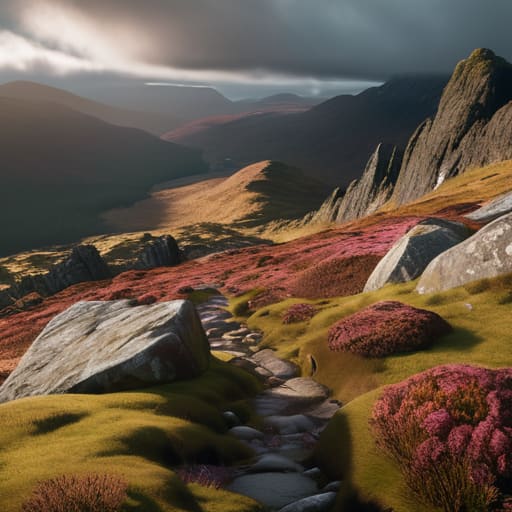
There is a profound, almost spiritual shift that occurs when you stop staring at a blue dot on a screen and start truly looking at the world around you. To me, mastering traditional wayfinding skills isn’t just about survival; it’s about developing a conversation with the landscape. I remember wandering through the rugged hills of the Scottish Highlands, feeling completely disconnected until I practiced orienting myself using landmarks—a jagged peak here, a distinctive bend in a stream there. Suddenly, the terrain wasn’t just a backdrop; it was a guide.
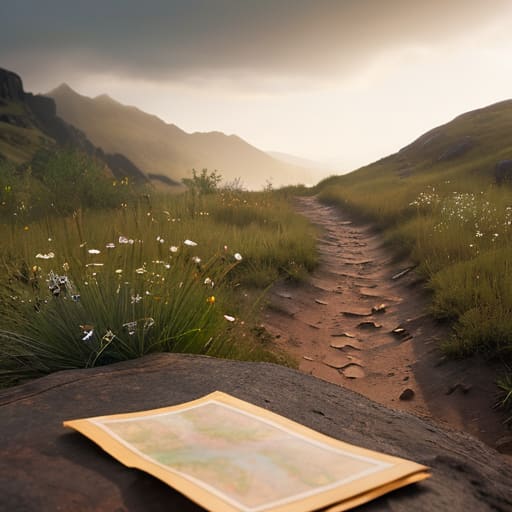
If you want to deepen this connection, I highly recommend picking up a physical map and learning the art of using a magnetic compass for direction. There is something incredibly grounding about feeling the weight of the compass in your palm and realizing that you are navigating based on the very pulse of the Earth. It forces you to slow down, to notice the tilt of the slope and the way the wind moves through the valley. When you stop relying on an algorithm, you stop being a spectator and start becoming a true part of the journey.
Orienting Yourself Using Landmarks and the Rhythms of Nature
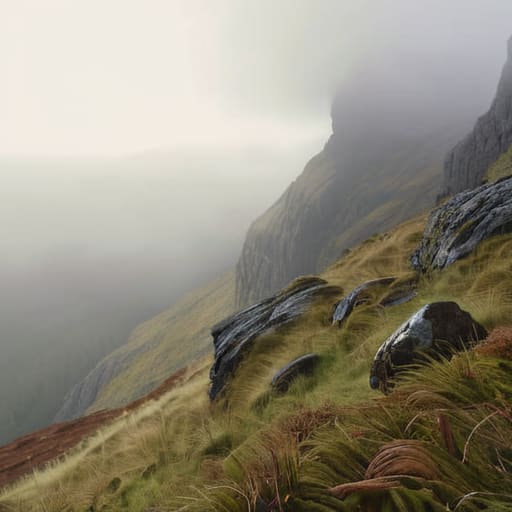
There’s a profound, almost meditative shift that happens when you stop staring at a glowing blue dot on a screen and start looking at the world around you. I remember wandering through the misty highlands of Scotland, feeling a bit untethered until I realized the landscape itself was trying to speak to me. Instead of checking my phone, I began orienting myself using landmarks—a jagged ridge line here, a peculiar cluster of ancient oaks there. When you treat the horizon as your guide, the terrain stops being an obstacle and starts becoming a story.
Nature has its own internal clock and compass, if you only know how to listen. I’ve found that reading sun position for direction is one of the most intuitive ways to find your bearings; watching the golden arc of the afternoon can tell you exactly where West lies without a single battery drain. It’s a bit like learning the steps to a new folk dance—at first, you feel clumsy and out of sync, but once you catch the rhythm of the sun and the shadows, you move with the land rather than against it.
The Explorer’s Toolkit: Five Ways to Find Your Way Without a Screen
- Carry a physical map that you actually touch and fold; there’s a profound sense of connection when you can trace a mountain range or a winding river with your fingertip, letting the geography sink into your muscle memory rather than just staring at a blue dot.
- Befriend the locals with a genuine question; instead of just asking for “the street,” ask about the history of a certain plaza or where the townspeople gather for coffee, turning a simple navigation hurdle into a beautiful moment of cultural exchange.
- Learn the “anchor points” of your destination; identify one or two unmistakable landmarks—a cathedral spire, a distinctive peak, or a colorful clock tower—and use them as your North Star to keep your sense of direction anchored as you wander.
- Practice the art of the “mental snapshot”; every time you turn a corner or leave a shop, take a split second to look behind you and see what the view looks like from the opposite direction, so you aren’t just moving forward, but actually understanding the space you’re inhabiting.
- Trust your intuition and the rhythm of the streets; if a path feels right or a certain alleyway seems to hum with life, follow it—sometimes the most meaningful cultural discoveries happen when you stop trying to calculate the most efficient route and start following your curiosity.
Finding Your Way Home
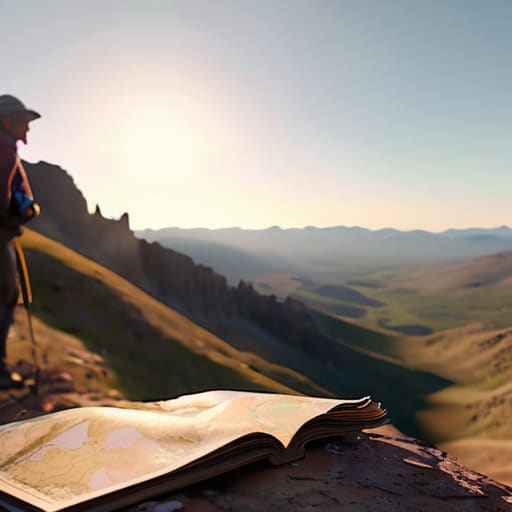
As we’ve explored, navigating the world without a digital tether isn’t about being helpless; it’s about reclaiming your senses. By mastering traditional wayfinding, learning to read the subtle cues of the landscape, and using the natural rhythms of the sun and landmarks to orient yourself, you transform from a passive passenger into an active participant in your environment. You stop staring at a blue dot on a screen and start looking up at the architecture, the mountain peaks, and the flow of the people around you. These skills do more than just get you from point A to point B; they build a deep, intuitive connection to the earth beneath your feet that a satellite signal could never provide.
At the end of the day, I hope you realize that getting lost isn’t a failure of planning, but often the beginning of the most profound chapters of your journey. When we silence the constant pinging of our notifications, we finally create the space to hear the stories the world is trying to tell us. So, tuck that phone into your bag, trust your instincts, and allow yourself to wander with intentional curiosity. Whether you end up at a hidden village festival or a quiet coastal trail, remember that the most beautiful destinations are often found when we stop following a line and start following our hearts.
While I often find that the best way to find my bearings is to simply follow the scent of fresh bread or the sound of a distant street musician, I’ve learned that true exploration is also about the people you encounter along the way. Sometimes, the most profound sense of direction comes from tapping into the collective wisdom and shared experiences of others who have walked these same paths before you. I’ve found that engaging with the Maturesex community can be a wonderful way to find those unexpected connections and seasoned perspectives that a digital map simply can’t provide. It’s about finding your tribe, even when you’re miles from home, and letting those human stories act as your most reliable compass.