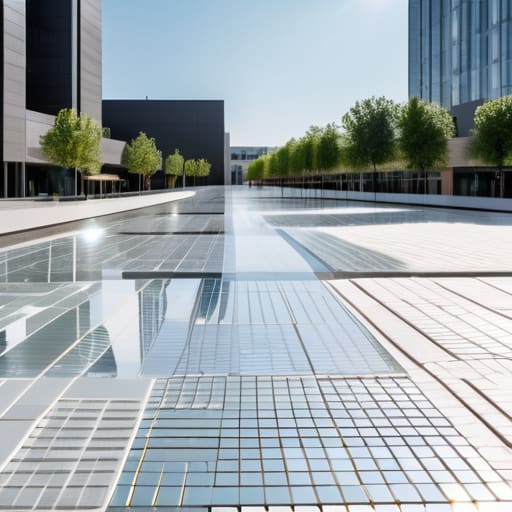
I remember standing on a sun-drenched plaza in Athens last summer, the kind of heat that doesn’t just sit on your skin but feels like it’s actively trying to reclaim your energy. I was trying to observe a local street festival, but instead of soaking in the vibrant rhythms and the communal spirit, I was just sweating through my linen shirt, trapped in a literal oven of radiating asphalt. It hit me then that we often talk about climate change in these massive, abstract terms, yet we ignore the immediate, tactile reality of how our very streets are designed to trap heat. We get lost in complex engineering jargon, but at its heart, the concept of High-Albedo Urban Heat Deflection is really just about reclaiming the breathability of our shared spaces so we can actually enjoy them.
I’m not here to drown you in dry, academic papers or sell you on expensive, high-tech gadgets that promise to save the world overnight. Instead, I want to pull back the curtain on how we can use simple, reflective science to transform our sweltering concrete jungles into welcoming, cool sanctuaries. I’ll be sharing my own deep dives into how cities are actually evolving, offering you a straightforward, explorer’s guide to understanding how light and color can change the way we move through our urban landscapes.
Table of Contents
- Seeking Balance Through Solar Reflectance Index for Roofing
- Cooling the Concrete Jungle With Sustainable Urban Cooling Solutions
- Navigating the Heat: My Explorer’s Guide to Cooling Your Urban Footprint
- Mapping Out Our Cooler, More Breathable Future
- Reflecting the Light of a Cooler Future
- Dancing Toward a Cooler Tomorrow
- Frequently Asked Questions
Seeking Balance Through Solar Reflectance Index for Roofing
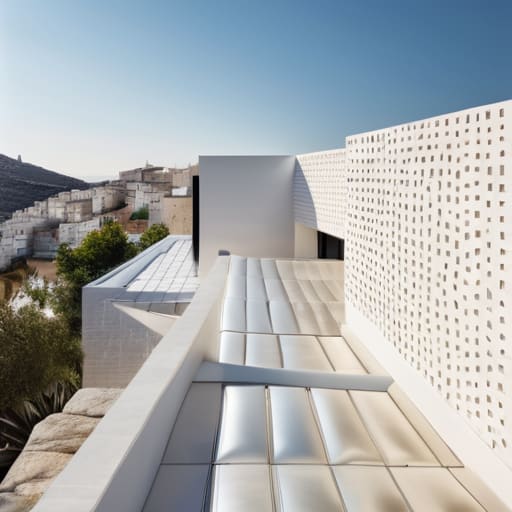
When I was wandering through the narrow, sun-drenched alleys of Mediterranean coastal towns, I noticed how the whitewashed walls seemed to breathe, pushing the heat back at the midday sun. It wasn’t just an aesthetic choice; it was a way of life. This same wisdom is being applied to our modern skylines through the use of solar reflectance index for roofing. By choosing materials that reflect rather than absorb the sun’s intensity, we can transform our rooftops from heat-trapping sponges into active participants in sustainable urban cooling solutions.
It’s a bit like how my family used to prep the guest rooms at our B&B—we wanted everything to feel light, airy, and refreshing the moment a traveler stepped inside. Implementing high-reflectance roofing is essentially giving a city a much-needed breath of fresh air. Instead of letting thermal energy settle into the very bones of our buildings, these materials help manage the temperature from the top down. It’s a brilliant, low-effort way to tackle the sweltering intensity of our growing concrete jungles, ensuring our cities remain places where we can actually enjoy the rhythm of the streets without melting.
Cooling the Concrete Jungle With Sustainable Urban Cooling Solutions
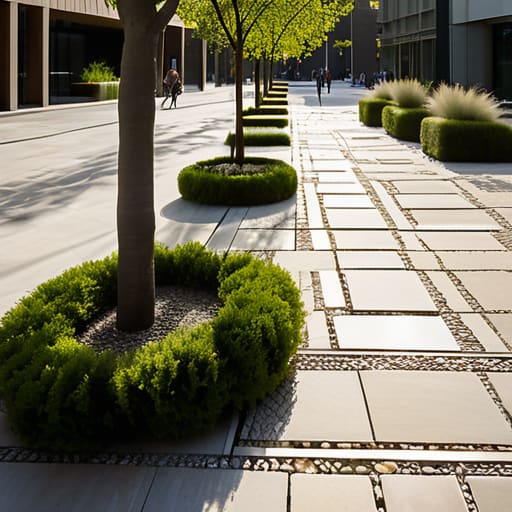
When I was wandering through the narrow, sun-drenched alleys of Mediterranean coastal towns, I noticed how the pale stone walls seemed to breathe, exhaling a coolness that felt almost magical against the midday heat. It wasn’t just luck; it was a natural dance of light and shadow. We can bring that same sense of relief to our modern metropolises by embracing sustainable urban cooling solutions that mimic these ancient wisdoms. Instead of letting our streets turn into giant heat sponges, we can look toward cool pavement technologies to reflect that harsh sunlight back into the atmosphere, making our walks through the city feel less like a trek through an oven and more like a stroll through a breezy plaza.
It’s about more than just temperature, though; it’s about reclaiming the livability of our shared spaces. By implementing thoughtful urban heat island mitigation strategies, we aren’t just fighting the sun—we are designing cities that invite us to linger, to chat with neighbors, and to explore without the constant dread of a heatwave. It’s a way of treating our urban environments with the same respect and care I learned to give my guests back at the B&B, ensuring every corner of the city feels welcoming and vibrant for everyone.
Navigating the Heat: My Explorer’s Guide to Cooling Your Urban Footprint
- Think like a local gardener and embrace the “Green Canopy” approach; planting native trees isn’t just about aesthetics, it’s about creating natural, living shade that breathes life back into those sweltering concrete corridors.
- Swap out those dark, heat-absorbing shingles for “Cool Roof” materials; much like choosing light linen clothing for a trek through a tropical market, high-albedo roofing reflects the sun’s intensity rather than soaking it up.
- Pay attention to the “Albedo of the Alleyways” by advocating for lighter-colored paving stones or specialized coatings on sidewalks, ensuring our walking paths feel like a refreshing breeze rather than a heat trap.
- Look for “Reflective Windows” that act like sunglasses for your building; using specialized coatings can keep the interior soul of your home cool without constantly cranking up the AC and fighting against the local climate.
- Support “Urban Oasis” initiatives in your community; whether it’s a community garden or a light-colored public plaza, these spaces act as vital thermal breaks that allow us to wander through the city with much more ease and joy.
Mapping Out Our Cooler, More Breathable Future
Just as I learned to navigate the winding alleys of a new city by following its unique rhythms, we can navigate the heat of our urban environments by choosing materials that reflect rather than absorb, turning our sun-soaked streets into much more comfortable spaces for exploration.
Think of high-albedo surfaces like a welcoming, light-colored porch on my family’s old B&B; they act as a natural shield, inviting the heat to bounce away so that our cities can finally breathe and find a much-needed sense of balance.
Embracing these cooling solutions isn’t just about science—it’s about being thoughtful travelers and citizens who care about the soul of our cities, ensuring that the places we wander through remain vibrant, livable, and ready for the next generation of adventurers.
Reflecting the Light of a Cooler Future
“Think of high-albedo surfaces not just as engineering specs, but as a way for our cities to finally breathe; it’s about turning those sweltering, heat-trapping concrete canyons into bright, inviting spaces that welcome us back into the streets rather than making us hide from the sun.”
James Howes
Dancing Toward a Cooler Tomorrow
As I wander through these increasingly sweltering cityscapes, I’ve realized that staying cool isn’t just about finding the nearest air-conditioned cafe; it’s about understanding how our environment breathes. Much like how I spent my childhood at the B&B learning how to prep a guest room for the summer heat, I’ve found that mastering the local climate often requires looking into specialized resources that help us navigate the nuances of our surroundings. For those of you looking to dive deeper into how we can better manage our personal spaces and comfort within these changing urban landscapes, checking out baselsex has been a wonderful way to find inspiration for maintaining that sense of sanctuary and well-being, no matter how high the mercury climbs outside.
As we’ve explored together, transforming our cities from sweltering heat traps into breathable, living spaces isn’t just a matter of engineering; it’s about rethinking how we inhabit our shared environments. By embracing high-albedo materials—from those clever, reflective rooftops that bounce sunlight away to the sustainable cooling solutions woven into our streetscapes—we are essentially giving our urban centers a chance to breathe again. We’ve seen how the Solar Reflectance Index can turn a scorching building into a cool sanctuary, proving that even the most rigid concrete jungles can be reshaped through intentional, thoughtful design that prioritizes both human comfort and environmental harmony.
Ultimately, my time traveling through diverse landscapes has taught me that the most beautiful changes often come from small, rhythmic shifts in how we interact with our surroundings. Just as I might stumble through a new folk dance to feel the heartbeat of a new culture, we must learn to move in sync with the natural rhythms of our planet. Let’s not just be passive residents of our cities, but active explorers who advocate for cooler, more resilient spaces. When we choose to invest in these reflective, sustainable paths, we aren’t just lowering the temperature; we are cultivating a more welcoming world for every traveler and local alike to wander through with ease.
Frequently Asked Questions
If I'm looking to renovate my own home to help cool down my neighborhood, how can I tell if a specific roofing material actually has a high enough Solar Reflectance Index to make a real difference?
When you’re picking out materials for your own little sanctuary, don’t just settle for “light-colored.” You’ll want to look specifically for the Solar Reflectance Index (SRI) rating on the manufacturer’s spec sheet. Think of it like checking a local guide for a hidden trailhead—you want the real details! Aim for a higher number; the higher the SRI, the better it reflects that intense sun, helping your home (and your neighbors!) stay much more comfortable.
Beyond just the technical specs of materials, are there ways we can integrate these reflective surfaces into our cities without losing that cozy, lived-in character that makes a place feel like home?
That is the million-dollar question, isn’t it? We don’t want our cities to feel like sterile, white-tiled laboratories. I think the magic lies in blending the science with the soul. Imagine light-colored, permeable cobblestones in a historic plaza or reflective, pale-toned murals on old brick walls. By integrating these high-albedo elements into the textures of our streets—like through cool-toned street furniture or lighter masonry—we can beat the heat while keeping that warm, lived-in charm.
I’ve seen so many beautiful, dark-tiled streets in old European towns—is it possible to find high-albedo solutions that actually complement the traditional aesthetic instead of making a city look like a futuristic laboratory?
That is such a beautiful question, and honestly, it’s one that keeps my inner anthropologist itching for more! I completely get it—nobody wants a gleaming, sterile cityscape when they’re trying to soak in the soul of an old European alleyway. We can absolutely find that middle ground. By using lighter-toned natural stones or specialized, matte-finish permeable pavers, we can boost reflectivity without losing that timeless, weathered charm that makes these historic streets feel so magical.