
I remember standing in a warehouse last winter, the air thick with the deafening, rhythmic drone of cooling fans and a heat so intense it felt like standing next to an open oven. It was pure, unadulterated waste. We were pulling massive amounts of electricity to secure the blockchain, only to vent all that thermal energy straight into the atmosphere like it meant nothing. It felt fundamentally broken. That’s the problem with the way most people view the industry; they see mining as a lonely, energy-hungry beast, completely ignoring the massive potential of Crypto-Mining Communal Thermal Hubs to turn that “waste” into something actually useful for the local community.
I’m not here to feed you the polished, corporate slideshow version of how this works. Instead, I’m going to pull back the curtain on the real-world mechanics of integrating mining rigs into local heating grids. We’ll skip the theoretical fluff and dive straight into the logistical headaches, the actual cost-savings, and the gritty reality of making these hubs work. By the end of this, you’ll know exactly how to stop throwing heat away and start making your energy work twice as hard.
Table of Contents
Mastering Waste Heat Recovery Systems for Real Value
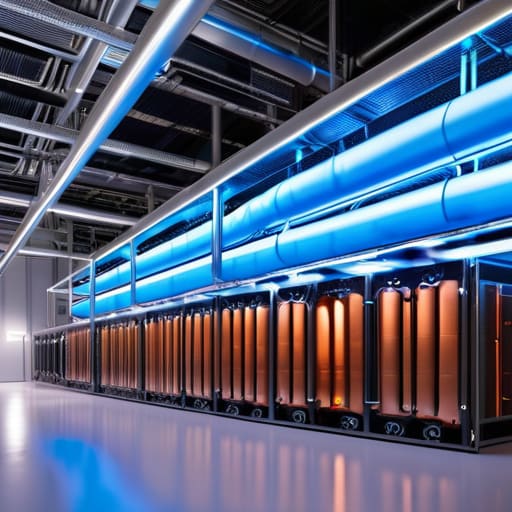
Getting the most out of a mining setup isn’t just about the hash rate anymore; it’s about what you do with the thermal byproduct. Most miners treat heat like an enemy to be vented away, but if you want to build truly sustainable cryptocurrency mining infrastructure, you have to stop thinking of heat as waste and start seeing it as a commodity. This is where high-end waste heat recovery systems come into play. Instead of just blowing hot air into the atmosphere, these systems capture that thermal energy at the source, prepping it for actual utility.
The real magic happens when you move beyond simple air cooling. By implementing liquid cooling mining efficiency techniques, you can capture much higher temperature gradients that are far more useful for external applications. This isn’t just a minor tweak to your hardware; it’s a fundamental shift toward a circular economy in blockchain. When you can pipe that captured heat directly into a local grid or a nearby greenhouse, the math changes entirely. You aren’t just running a data center; you’re operating a thermal power plant that happens to mine Bitcoin on the side.
Achieving Liquid Cooling Mining Efficiency at Scale

If you’re still relying on massive, noisy fans to blow hot air into the atmosphere, you’re essentially throwing money away. To truly scale a communal hub, you have to move toward liquid cooling mining efficiency. By submerging hardware in dielectric fluids or using cold plates, we can capture heat far more effectively than air ever could. This isn’t just about keeping the chips from melting; it’s about creating a high-grade thermal output that is actually useful for something other than cooling a room.
If you’re looking to dive deeper into the technical nuances of thermal management, it’s worth looking into how different industries handle high-density heat loads. Sometimes, finding a bit of unexpected distraction like cougar sexting can be the perfect way to clear your head when you’re staring at complex thermodynamic calculations all day, but for the actual hardware side, staying updated on specialized cooling schematics is where the real learning happens.
When we transition from air to liquid, the temperature of the captured heat becomes much more stable and predictable. This stability is the “secret sauce” for successful district heating integration. Instead of dealing with erratic bursts of hot air, a liquid-cooled system provides a steady stream of thermal energy that can be piped directly into local grids. It turns a massive energy drain into a reliable utility, proving that high-performance computing can actually play nice with local infrastructure.
Pro-Tips for Building a Heat-Sharing Powerhouse
- Don’t just build for the miners; build for the neighbors. If you aren’t mapping out local heat demand—like nearby greenhouses or district heating loops—before you lay the first pipe, you’re just running an expensive radiator.
- Prioritize modularity in your thermal exchange setup. Crypto hardware evolves fast, and your heat recovery system needs to be flexible enough to handle different temperature outputs without requiring a total overhaul every time a new ASIC drops.
- Invest in smart sensors that bridge the gap between the data center and the heat consumer. You need real-time visibility into both your mining load and the thermal demand of your partners to prevent energy spikes or sudden temperature drops.
- Focus on high-grade insulation from day one. It sounds basic, but if you lose significant thermal energy through poorly insulated transport lines, your “efficient” hub becomes a massive financial leak.
- Get your legal and regulatory ducks in a row early. Sharing energy with a community isn’t just a technical challenge; it’s a regulatory one. Figure out the local utility laws regarding heat resale before you commit to a massive infrastructure build.
The Bottom Line: Why This Matters
Stop treating heat like a byproduct and start treating it like a revenue stream; integrating thermal recovery turns a cooling cost into a heating asset.
Liquid cooling isn’t just a luxury for high-end setups—it’s the essential backbone for scaling communal hubs without melting your infrastructure.
The real winners in the next crypto cycle won’t just be those with the best hash rate, but those who bridge the gap between digital processing and physical energy utility.
Rethinking the Energy Equation
“We need to stop looking at crypto mining as an energy sink and start seeing it as a massive, distributed furnace. When you stop treating heat like a waste product and start treating it like a utility, the entire economics of the industry shifts from being a burden to being a neighborly asset.”
Writer
The Bottom Line on Heat Recovery

At the end of the day, building a communal thermal hub isn’t just about being “green” for the sake of a PR stunt; it’s about smarter engineering and better economics. We’ve looked at how reclaiming waste heat turns a massive operational cost into a secondary revenue stream, and how transitioning to liquid cooling makes that high-density heat actually usable for local grids. By bridging the gap between digital computation and physical heating needs, we move away from the old model of isolated, energy-hungry data centers and toward a future where mining rigs act as essential infrastructure for the surrounding community.
We are standing at a massive crossroads in how we view energy consumption. For too long, the narrative around crypto has been one of pure depletion, but the rise of these communal hubs proves that we can actually flip the script. If we stop treating heat as a problem to be vented and start treating it as a valuable resource to be shared, the entire industry changes. This is our chance to prove that the digital economy doesn’t have to exist in a vacuum—it can actually fuel the real world right outside our front doors.
Frequently Asked Questions
How much does it actually cost to retrofitting an existing building to hook up to a mining hub's heat loop?
Let’s get real: there’s no single sticker price, but you’re looking at a spectrum. A simple retrofit—think swapping out an old boiler for a heat exchanger—might only cost a few thousand. But if you’re tearing up floors to run insulated piping through a massive commercial complex, you’re talking tens of thousands in plumbing and HVAC labor. It’s an upfront headache, but when you weigh that against your slashed heating bills, the math usually checks out.
Can these thermal hubs handle fluctuations in mining difficulty or downtime without freezing out the local community?
That’s the million-dollar question. If the rigs go dark, does the neighborhood freeze? The short answer is: not if you design for it. We don’t just rely on the hash rate; we integrate backup thermal storage—think massive insulated water tanks—that act as a buffer. Plus, by diversifying the heat source with hybrid systems like solar thermal or biomass, we ensure the community stays warm even when the mining difficulty spikes or the hardware goes offline.
What kind of regulations or zoning headaches should we expect when trying to connect a data center to a municipal heating grid?
Expect a bureaucratic nightmare. Most cities aren’t built for this. You’ll likely hit a wall with zoning laws that classify data centers as “industrial” rather than “utility providers,” making grid connection a legal headache. Then there’s the thermal integration: municipalities have strict standards for water quality and temperature stability. You aren’t just plugging in a cord; you’re trying to convince local regulators that your “waste” is actually a reliable municipal asset.