As I sit in the cramped airplane seat, the safety announcements become familiar. But there’s more to it than meets the eye. Airlines have set up many ways to stop hijackings, which we often overlook.
The fear of hijackings, like the 9/11 attacks, is always there. It reminds us that flying is both exciting and risky. Airlines work hard to keep us safe, knowing that a hijacking could harm many lives.
Today, airlines use many ways to keep flights safe. They follow strict TSA rules to protect us. As I buckle up, I think about these efforts to keep us safe during our flight.
Key Takeaways
- The first recorded aircraft hijack occurred in 1931 in Peru.
- Post-9/11 aviation regulations implemented extensive TSA policies for passenger safety.
- Access to the flight deck is strictly controlled to prevent unauthorized entry.
- Technological advancements have introduced high-security measures, including bulletproof doors.
- Many strategies in hijacking prevention reflect decades of evolving aviation security concerns.
The Evolution of Hijacking and Aviation Security
From the start of air travel, hijacking has changed a lot. It’s been influenced by different reasons and world events. The first hijacking happened in 1931 in Peru, starting a sad trend.
By the late 1960s, hijackings were happening more often. Almost 200 cases were reported between 1968 and 1970. This was a peak time, linked to political issues in places like the Middle East. It showed the need for better security in the skies.
Historical Overview of Aircraft Hijackings
In the early days of flying, hijackings were on the rise. In 1948, a hijacking in Asia ended in tragedy, with all 25 people on board dying. By 1961, hijackings to Cuba were common, leading to checks on passengers and their bags in 1973.
The worst year was 1970. It saw 300 passengers held hostage for 11 days. Four planes worth about $50 million were destroyed. This was a turning point in aviation security.
The Entebbe raid in 1976 was a highlight. It saw 103 hostages rescued. This event led to stricter security rules. But nothing was as bad as the September 11 attacks in 2001.
These attacks were the deadliest in air piracy history. Over 3,000 people lost their lives. They changed how countries secure air travel.
Regulatory Changes Post-9/11
After the September 11 attacks, big changes came. The Aviation and Transportation Security Act was signed on November 19, 2001. It created the Transportation Security Administration (TSA).
This act changed TSA rules. Now, all passengers go through security checks. It also updated rules for airline and airport staff. The TSA worked hard to stop hijackings from happening again.
Hijacking Prevention: Multi-Layered Strategies
Airlines have created a detailed plan to stop hijackings. They use different strategies to face possible threats. This plan includes the latest technology and strict security steps.
Passenger Screening Procedures
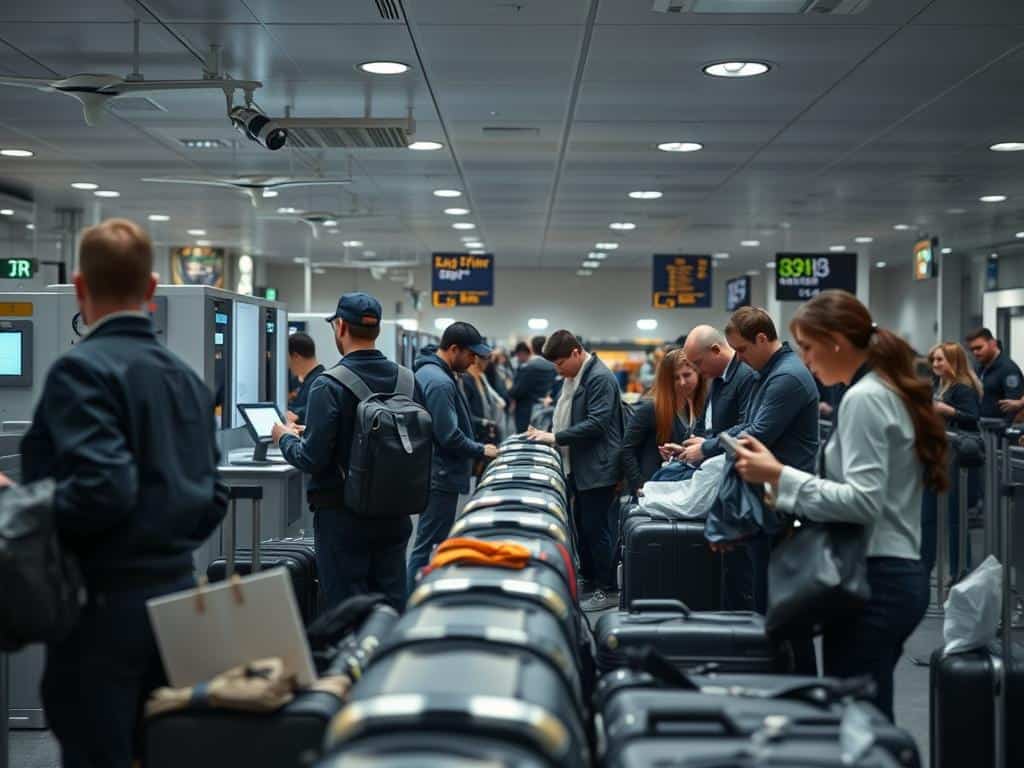
Checking passengers is key to keeping flights safe. Airlines use new tech to check travelers before they get on the plane. They use body scans and check bags carefully. This makes sure every passenger is checked well, lowering the chance of hijackers getting on.
Employee Background Checks and Security Measures
Checking the background of employees is very important for airlines. They make sure all staff meet high safety standards. This way, airlines show they care about keeping everyone safe.
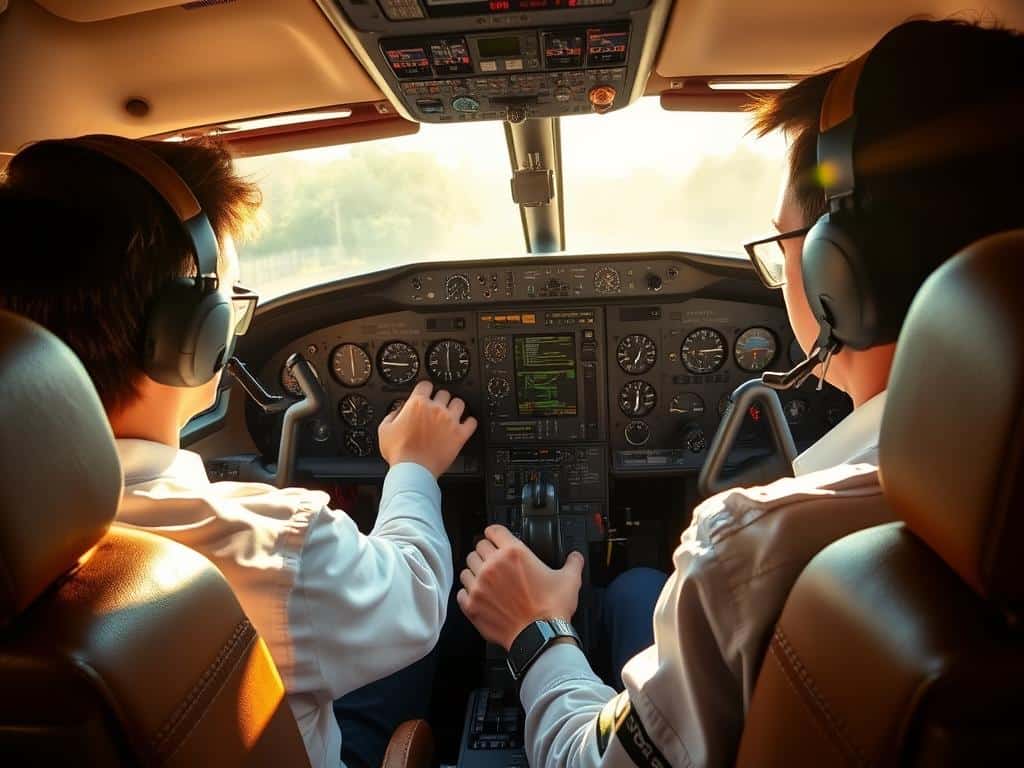
Access Control to the Flight Deck
Who can get to the cockpit is very controlled. Airlines have strict rules to keep unauthorized people out. This makes flying safer for everyone.
Flight Crew Training and Protocols
Training flight crews is vital to stop hijackings. They learn how to handle problems, like difficult passengers. Regular training keeps them ready for any hijacking situation, making flying safer.
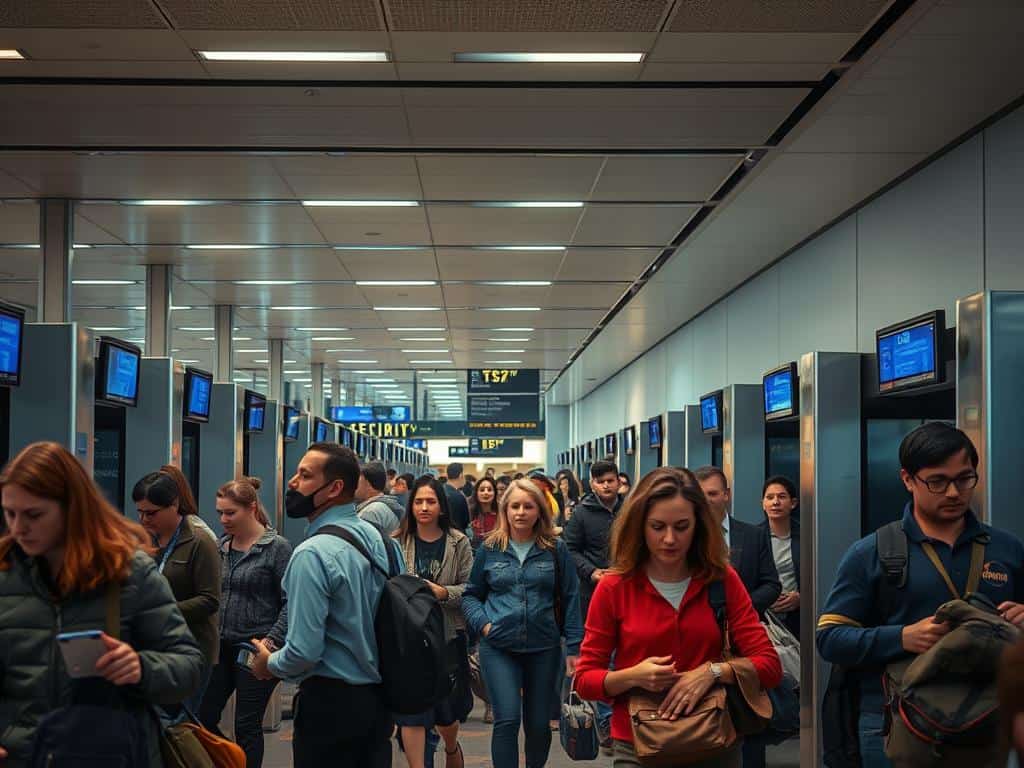
Technological Advances in Aviation Security
Technology has changed aviation security a lot. New surveillance systems and biometric technologies help keep the skies safe. They help prevent and respond to hijacking threats.
Surveillance Systems and Monitoring
Modern surveillance systems are key to spotting odd things at airports. They watch over passenger areas to catch unusual behavior early. This stops problems before they start.
With high-tech cameras and smart analytics, teams can act fast on any odd activity. This makes aviation security better.
Integration of Biometric Technologies
Biometric technologies for checking who’s who are a big step up. Airports use them to make boarding faster and safer. Facial and fingerprint scans help stop identity theft.
They make sure only the right people get to secure areas.
Aircraft Surveillance and Tracking
Aircraft tracking systems are vital for keeping an eye on planes. They let airlines and authorities watch flights in real time. This means they can act fast if something goes wrong.
These systems are a big part of aviation security. They help deal with new dangers in the skies.
Conclusion
The world of aviation security is always changing. Airlines work hard to keep everyone safe. They use many strategies to stop hijackings.
These strategies include checking passengers carefully, vetting employees well, and using the latest technology. This makes flying safer and reduces the risk of hijackings.
Looking back, we see the need for constant improvement. Using biometrics, surveillance, and better training for flight crews is key. Each step helps make flying safer.
Travelers can now feel more secure when they fly. This is thanks to all the efforts to keep them safe.
As new dangers and technologies come along, staying alert is essential. Airlines keep working to improve their security. This means they can handle new challenges.
Keeping everyone safe while flying is always a top goal. It’s a job that never stops, but it’s worth it to protect all who travel by air.