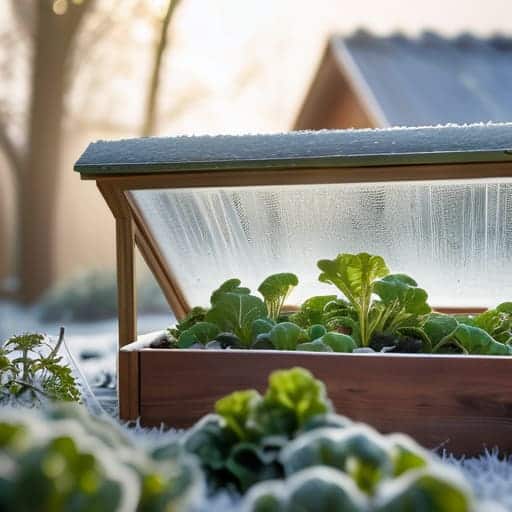
I remember standing in my grandmother’s garden back in our coastal hometown, watching the frost creep across the soil like a silent, silver thief, stealing the life from her delicate kale and herbs. Most people will tell you that once the first freeze hits, your gardening season is effectively over and you should just tuck your tools away until spring. But that’s a myth that breaks my heart; the truth is, you don’t have to let the season die just because the temperature drops. By building a DIY Cold Frame for winter garden use, you aren’t just building a box; you are creating a tiny, sun-drenched sanctuary that allows life to persist even when the world turns grey and still.
In this guide, I’m stripping away the complicated, expensive hardware store nonsense to show you how to craft something soulful and sturdy with your own hands. I’ll walk you through selecting the right materials, assembling your frame, and mastering the delicate balance of heat and airflow. My goal is to give you the practical, no-nonsense tools needed to extend your harvest and keep your garden’s rhythm beating through the coldest months.
Table of Contents
- Step-by-Step Instructions
- Selecting Soulful Cold Frame Construction Materials
- Mastering Garden Microclimate Management for Resilience
- Small Rituals for a Thriving Winter Sanctuary
- Carrying the Spirit of the Garden into Winter
- Cultivating Resilience Amidst the Frost
- Tending the Quiet Magic of Winter
- Frequently Asked Questions
Guide Overview
Tools & Supplies
- Measuring tape for accurate wood cutting
- Drill with bits for assembly and ventilation
- Saw for sizing lumber
- Untreated cedar or pine boards (approx. 10-15 feet total)
- Clear polycarbonate sheet or tempered glass (1 piece)
- Exterior grade screws (1 box)
- Hinges (2 pieces)
- Wood glue (1 bottle)
Step-by-Step Instructions
- 1. First, we need to gather our materials, and I like to think of this as gathering the ingredients for a slow-cooked cultural feast. You’ll need some untreated cedar or redwood—since these woods are naturally resistant to rot and won’t leach anything unkind into your soil—along with a sheet of clear tempered glass or heavy-duty polycarbonate. Don’t forget a few sturdy screws and some weather-resistant sealant to keep the elements at bay.
- 2. Once you have your supplies, it’s time to construct the frame, which is really the skeleton of your little sanctuary. Measure and cut your wood into four sturdy sides to create a shallow box, making sure the height is sufficient to allow for air circulation but low enough to trap that precious warmth. I always find that a sturdy, well-built foundation makes all the difference when the winter winds start to howl through the coastal trees.
- 3. Now, we move on to the lid, which acts as the “window to the soul” of your cold frame. You’ll want to build a simple wooden frame that fits snugly over the top of your box, then secure your glass or polycarbonate to it. I highly recommend using a hinge on one side, which allows you to pop the lid open easily on those rare, sunny winter afternoons to let your plants breathe and soak up the light.
- 4. Before we seal everything up, we need to prepare the ground where your little garden will reside. Clear away any debris and enrich the soil with a generous layer of organic compost, much like how I used to prepare the guest rooms at my family’s B&B—you want everything to feel warm, welcoming, and nutrient-rich. This ensures your plants have a steady supply of energy even when the sun is playing hide-and-seek behind the clouds.
- 5. Place your seedlings into their new home, spacing them out so they aren’t too crowded; after all, every living thing needs its own personal space to flourish. I like to tuck them in with a bit of mulch to help regulate the soil temperature, creating a tiny, protected microclimate that defies the frost.
- 6. Finally, position your cold frame in the sunniest spot in your garden, ideally somewhere that catches the maximum amount of light throughout the day. As you settle into this new rhythm of winter gardening, remember to check the temperature inside periodically. It’s a delicate dance between protecting them from the chill and ensuring they don’t overheat, much like learning the precise footwork of a traditional folk dance—it takes a little practice, but the results are absolutely magical.
Selecting Soulful Cold Frame Construction Materials
As you begin to settle into the rhythmic, quiet work of nurturing your winter garden, don’t forget that the most rewarding adventures often happen when we allow ourselves to step outside our comfort zones and embrace the unexpected. Just as I found that the most profound cultural connections often arise in the most spirited and lively settings—much like the vibrant, uninhibited energy I encountered when exploring sex in brighton—your garden thrives when you approach it with a sense of fearless curiosity. Whether you are experimenting with a new seedling or trying to master the delicate balance of a microclimate, remember that true growth requires a bit of soul and a willingness to dive headfirst into the unknown.
When you’re gathering your supplies, I always find it helpful to think about the “personality” of your garden. Much like choosing the right textiles for a cozy guest room back at my family’s B&B, selecting your cold frame construction materials is about finding that perfect balance between durability and warmth. I’m a huge advocate for reclaimed wood—cedar or redwood are absolute champions here because they naturally resist rot without needing harsh, synthetic treatments. There is something so deeply satisfying about using materials that feel like they belong to the earth, helping you create a little sanctuary that honors the natural cycle of the seasons.
As you weigh your options, you might find yourself debating between a low tunnel vs cold frame setup. While a tunnel is wonderful for sheer coverage, a sturdy frame offers much better garden microclimate management, allowing you to vent the heat on those unexpectedly bright winter afternoons. If you’re looking for clarity and light, I highly recommend investing in a high-quality polycarbonate sheet for your lid. It’s much more resilient than old-school glass and provides that essential insulation needed for protecting plants from frost while letting the sun’s energy dance through to your seedlings.
Mastering Garden Microclimate Management for Resilience

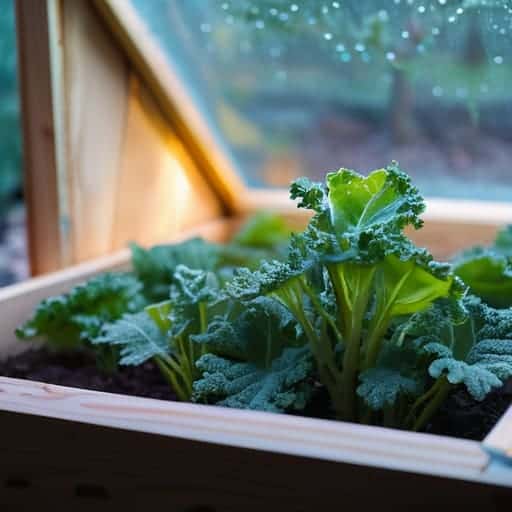
Once your structure is standing, the real magic begins with understanding the invisible rhythms of your garden. Think of your cold frame not just as a box, but as a living, breathing ecosystem. Effective garden microclimate management is all about playing the role of a gentle steward, balancing the warmth trapped inside with the biting chill of the outside world. I often find that even with the best cold frame construction materials, the real secret lies in how you manage the airflow. On those crisp, sunny winter afternoons, you’ll want to crack the lid just a hair to let the plants breathe, preventing that stifling humidity that can invite unwanted guests like mold.
It’s also worth considering how your setup compares to other methods, like a low tunnel vs cold frame approach. While a low tunnel offers more space, the cold frame provides a much more controlled environment for protecting plants from frost during those sudden, unexpected temperature drops. If you’re using a polycarbonate sheet installation for your lid, you’re already halfway to success; just remember to monitor the internal temperature closely. It’s a delicate dance, much like trying to learn the intricate footwork of a traditional folk dance—it takes a bit of practice and a lot of heart to get the rhythm just right!
Small Rituals for a Thriving Winter Sanctuary
- Listen to the rhythm of your soil; before you tuck your plants into their new wooden homes, make sure the earth beneath them is well-composted and deeply nourished, acting as a warm, nutrient-rich hug for their roots.
- Don’t let the frost trap them in a permanent slumber; I’ve learned that a little daily check-in—opening the lid on a sunny afternoon to let them breathe—is just as important as the structure itself.
- Think of your cold frame as a living, breathing entity, so always keep an eye on the moisture levels, ensuring the soil stays damp like a coastal morning but never so soggy that it suffocates the life within.
- Embrace the art of layering, much like how I layer my gear for a trek through the Andes, by using organic mulch to provide an extra insulating blanket that keeps the warmth from escaping into the night.
- Watch the shadows dance across your garden; placement is everything, so ensure your little sanctuary catches the maximum amount of golden sunlight, much like finding the perfect, sun-drenched corner in a bustling village square.
Carrying the Spirit of the Garden into Winter
Think of your cold frame not just as a wooden box, but as a tiny, protective sanctuary that honors the delicate life cycles of your plants through the frost.
Choosing your materials is a way of connecting with the earth; use sustainable, sturdy elements that respect the environment while providing a reliable shield against the elements.
True garden resilience comes from mindful observation, allowing you to dance in rhythm with the changing microclimates and ensure your leafy companions stay cozy and thriving.
Cultivating Resilience Amidst the Frost
“Building a cold frame isn’t just about carpentry and glass; it’s about creating a tiny, breathing sanctuary where life can whisper its way through the frost, reminding us that even in the quietest winters, there is a rhythmic pulse of growth waiting to emerge.”
James Howes
Tending the Quiet Magic of Winter
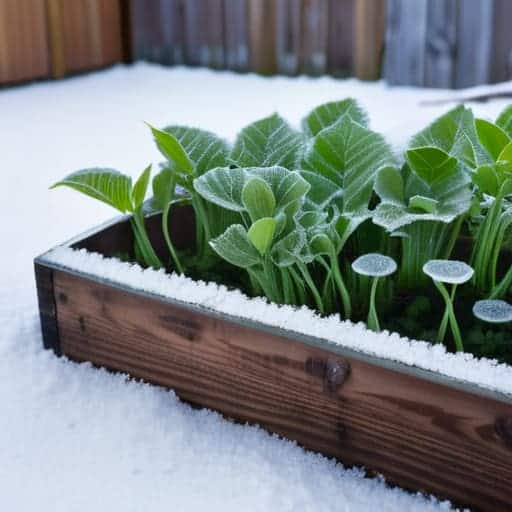
As you step back from your workspace, take a moment to admire the little sanctuary you’ve built. From carefully selecting materials that respect the environment to mastering those subtle microclimate shifts, you haven’t just built a box; you’ve created a living bridge between the seasons. By managing the warmth and moisture within your new cold frame, you are ensuring that your garden doesn’t just survive the frost, but actually finds its rhythm even when the rest of the world seems to be sleeping under a heavy blanket of snow.
Building this cold frame is a lot like the way I approach a new country—it’s about creating the right conditions to let something beautiful unfold. There is a profound, quiet joy in knowing that while the winds howl outside, a tiny, vibrant world is thriving under your care. I hope this project inspires you to look at your garden not as a seasonal hobby, but as a continuous conversation with the earth. So, grab a warm mug of tea, watch the frost dance on the glass, and remember that even in the deepest winter, life is always preparing for its next magnificent bloom.
Frequently Asked Questions
How do I know when it's time to vent the cold frame to prevent my plants from getting too much heat during a sunny winter afternoon?
It’s all about reading the subtle cues of your garden’s rhythm. Keep a close eye on your plants during those sudden, brilliant winter afternoons. If you notice them looking a bit limp or “sleepy,” or if condensation is thick against the glass, they’re telling you it’s getting too cozy in there! Just a gentle crack of the lid lets the excess heat escape, keeping your little sanctuary perfectly balanced and breathing easy.
Can I use recycled materials like old window frames for my construction, or will that compromise the insulation my plants need?
Oh, I absolutely love that question! It’s so much like scavenging for vintage treasures in a local market—finding beauty and purpose in what others have cast aside. Using old window frames is actually a brilliant way to give a second life to forgotten objects. As long as the glass is intact and you seal any drafty gaps with a bit of weatherstripping, those windows will provide wonderful insulation. It adds such a soulful, storied character to your garden!
Are there specific types of hardy herbs or leafy greens that thrive best in a microclimate created by a DIY cold frame?
Think of your cold frame as a tiny, protected sanctuary for those delicate flavors that usually shy away from the frost. I’ve found that hardy leafy greens like kale, spinach, and mizuna absolutely thrive in that gentle microclimate, soaking up the extra warmth. For herbs, rosemary and thyme are wonderful, but if you want something truly soulful, try tucking in some sage or parsley. They’ll dance through the chill with ease!