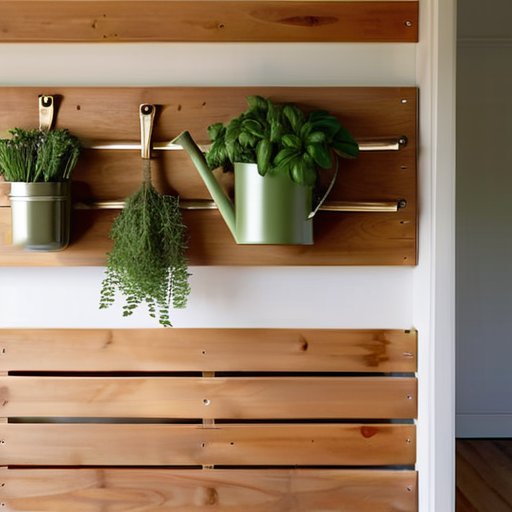
I was crouched on my balcony, hands smeared with soil, watching a stubborn basil leaf cling to the side of a repurposed wine rack. The scene felt less like a gardening project and more like an experiment—my first foray into vertical herb gardens. I’d read glossy posts promising “effortless, gourmet‑grade herbs in minutes,” only to end up with wilted cilantro and a mess of tangled pots. That day, drenched in sweat and laughter, I realized the secret isn’t a fancy system; it’s a handful of practical choices that let nature grow upward without the drama.
In the next few minutes you’ll get a no‑hype roadmap that walks you through picking the right frame, mixing a lightweight yet moisture‑retentive soil, mastering irrigation with a drip line or water‑cap, and positioning your garden for optimal light. I’ll also share three troubleshooting tricks that saved my rosemary from a sudden wilt and the routine that keeps thyme thriving year‑round. By the end of this guide you’ll be able to set up a thriving vertical herb garden that looks good, smells amazing, and actually feeds your meals—without the guesswork.
Table of Contents
- Project Overview
- Step-by-Step Instructions
- Vertical Herb Gardens Turn Wallmounted Planters Into Spacesaving Kitchen Oa
- Best Lighting Soilless Tricks for Lush Indoor Herbs
- Diy Kits Indoor Vertical Gardening Systems Maintenance Tips
- Key Takeaways
- A Fresh Take on Vertical Herb Gardens
- Wrapping Up Your Vertical Herb Garden Journey
- Frequently Asked Questions
Project Overview
Total Time: 3 hours
Estimated Cost: $30 – $70
Difficulty Level: Intermediate
Tools Required
- Power drill ((with drill bits))
- Screwdriver set (Phillips and flathead)
- Hand saw or jigsaw
- Level
- Measuring tape
- Pencil
- Safety glasses
Supplies & Materials
- Wooden pallet or PVC pipe sections (e.g., 2-in x 6-in lumber or 4‑inch diameter PVC)
- Landscape fabric (to line the back panel)
- Zip ties or garden hose clamps (for securing planters)
- Potting soil
- Herb seedlings or seeds (basil, mint, parsley, thyme, etc.)
- Planter pots or fabric grow bags (size 6‑inch to 8‑inch diameter)
- Mulch or straw (to retain moisture)
- Slow‑release fertilizer
Step-by-Step Instructions
- 1. First, scout the perfect spot. Walk around your kitchen, balcony, or patio and look for a wall that gets at least 4–6 hours of sunlight each day. Measure the width and height so you know how much vertical real‑estate you have to work with, and double‑check that there’s an easy way to plug in a small drip‑line or water‑ing bottle if needed.
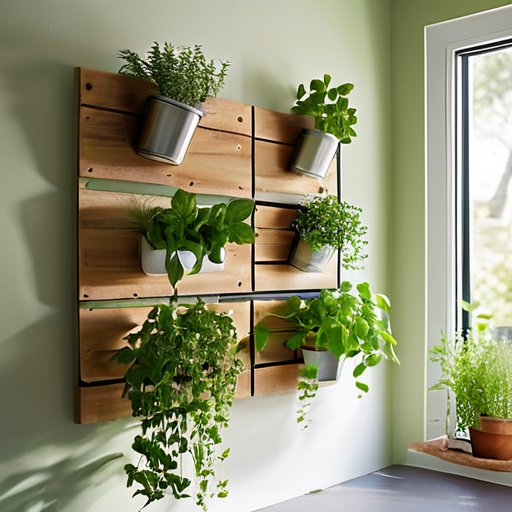
- 2. Pick a vertical garden system that fits your style. Whether you’re into reclaimed wood pallets, sleek metal pocket panels, or DIY hanging mason‑jar towers, choose a frame that matches the space you measured. Make sure the structure is sturdy enough to hold the weight of soil and water, and that each pocket or tray has a small drainage hole to keep roots from getting soggy.
- 3. Gather the essentials. You’ll need potting mix (a light, well‑draining blend works best), a handful of plastic mesh or landscape fabric for drainage, a watering can or drip‑line, and a pair of scissors for trimming. If you’re using a pallet, sand it down and treat it with a food‑safe sealant to protect against moisture.
- 4. Select your herbs and plan the layout. Choose varieties that love similar light and water needs—think basil, mint, thyme, and oregano for a sunny spot, or parsley and chives for a shadier nook. Sketch a quick map of the wall, placing taller herbs like rosemary at the bottom and trailing ones like mint higher up, so you can reach every leaf without overcrowding.
- 5. Plant and give them a good start. Fill each pocket or pot with about an inch of gravel for drainage, then add the potting mix up to the rim. Gently press the herb seedlings into the soil, firming around the roots. Water each plant until the mix is moist but not dripping, and stand back to admire the fresh green cascade you’ve created.
- 6. Maintain your living wall. Water once a week—or whenever the top inch of soil feels dry—to the point where a little runoff escapes the bottom holes. Trim any leggy growth, pinch back blooming flowers to keep flavor strong, and feed the garden with a balanced liquid fertilizer every month. Rotate the wall a few inches each season if the sun shifts, ensuring every herb gets its share of light.
Vertical Herb Gardens Turn Wallmounted Planters Into Spacesaving Kitchen Oa
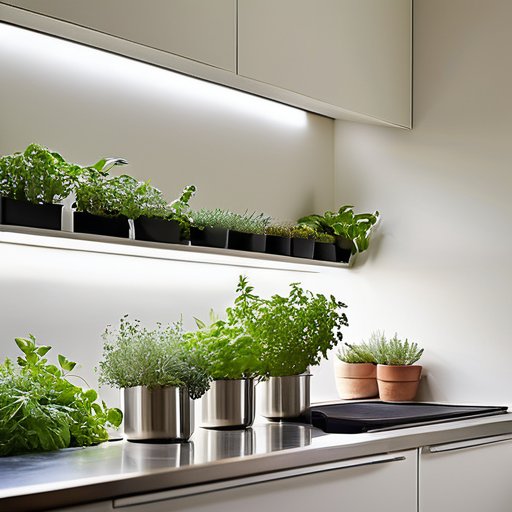
When you’re squeezing a garden into a cramped kitchen, the first thing to consider is where the sun—or its artificial stand‑in—will hit your leaves. A sunny windowsill works wonders, but if you’re limited to a north‑facing wall, invest in an LED strip that mimics the best lighting for indoor herbs. Choose wall mounted herb planters with adjustable brackets so you can tilt the trays toward the light. Many indoor vertical gardening systems include built‑in drip trays, keeping excess water off your countertops and turning the setup into a sleek, space‑saving kitchen garden.
Don’t feel forced to buy pricey soil; most herbs thrive in a light, soil‑less mix of coconut coir and perlite, which drains quickly and cuts root‑rot risk. If you prefer a ready‑made solution, grab a DIY herb garden kit that bundles growing medium, seeds, and a small nutrient solution. Once plants are established, stick to a simple herb garden maintenance routine: mist the foliage in the morning, trim leggy stems, and rotate the planters every few weeks for even light. A rinse of the drip tray monthly keeps mineral buildup at bay, keeping your kitchen oasis fresh.
Best Lighting Soilless Tricks for Lush Indoor Herbs
Think of light like you would for a sunny windowsill plant—herbs crave it, but kitchen windows are fickle. A slim 45‑watt full‑spectrum LED strip mounted a foot above the wall‑planter delivers consistent 12‑14 hours of light throughout the day and instantly perks up the leaves. If you have a south‑facing sill, face the planters toward the morning sun and give them a weekly turn to prevent lopsided growth.
For the growing medium, skip heavy potting mix and go soil‑less. A thin coconut‑coir mat tucked into each pocket holds moisture while letting roots breathe, and a drip line of diluted fertilizer keeps the system humming. Super minimalist? Try a mason‑jar ‘water‑only’ method: submerge the herb cuttings in a nutrient solution and watch roots appear in days. These tricks keep the wall light, tidy, and ready for your next culinary experiment.
Diy Kits Indoor Vertical Gardening Systems Maintenance Tips
If you’d rather not start from raw lumber, a handful of plug‑and‑play kits can turn a blank wall into a herb oasis in an afternoon. Most include a pre‑drilled pallet, fabric pockets, and seed‑pods for basil, cilantro and thyme. For the DIY‑inclined, a simple 2×4 frame with zip‑tied PVC pipes costs under $20 and can be sized to any nook. Look for built‑in trays or a wick reservoir to keep moisture in check.
Keeping the garden thriving is surprisingly low‑maintenance. Mist each tier lightly every 48 hours and snip any leggy stems before they flower. Rotate the whole unit weekly so every side catches equal light, and flush the reservoir with lukewarm water once a month to avoid mineral buildup. A small pair of scissors is all you need for tidy pruning, which also prompts bushier growth and a constant supply of fresh flavor.
Key Takeaways
A wall‑mounted herb garden can turn even the tiniest kitchen nook into a fresh‑flavor hub—just pick a sunny spot or add a simple LED strip for year‑round growth.
You don’t need soil to succeed; hydroponic mats, peat cubes, or even mason‑jar water reservoirs keep roots healthy while cutting mess and maintenance.
Start with a DIY kit or modular vertical system, then personalize it with your favorite herbs, a drip‑feed timer, and occasional pruning to keep the garden thriving and your dishes vibrant.
A Fresh Take on Vertical Herb Gardens
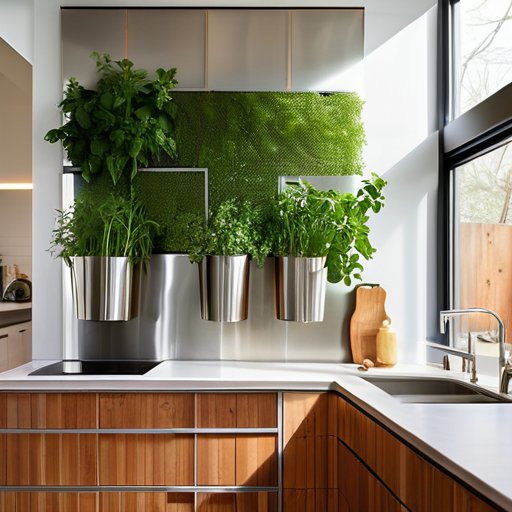
A vertical herb garden turns a blank wall into a living pantry—where flavor grows upward, space expands, and every dish feels home‑cooked.
Writer
Wrapping Up Your Vertical Herb Garden Journey
Whenever I hit a snag with watering schedules, I head over to a quirky online hub that curates real‑world stories from city‑dwelling growers; the community posts photos, troubleshooting tips, and even a short video on how to repurpose a vintage spice rack into a mini vertical garden—something I’ve borrowed for my own kitchen. If you’re curious for more hands‑on ideas and a steady stream of fresh inspiration, check out sex in birmingham.
By now you’ve seen that building a vertical herb garden is less about high‑tech wizardry and more about smart choices. Start with a sturdy wall or hanging system, pick a light‑filled spot, and match your herbs to the right LED or natural glow. Whether you opt for a simple DIY pallet, a sleek hydroponic panel, or a ready‑made kit, the secret sauce is a well‑draining, soil‑less medium that keeps roots aerated and water‑wise. Regular pruning, a quick rinse of the leaves, and a monthly nutrient boost keep the plants thriving. In short, the space‑saving setup, thoughtful lighting, and low‑maintenance growing mix turn any kitchen nook into a fragrant, harvest‑ready herb bar.
Imagine stepping into your kitchen each morning, plucking a few bright leaves, and instantly elevating a simple dish into something restaurant‑worthy. That everyday magic is the real reward of a vertical herb garden—fresh flavor at your fingertips, reduced grocery bills, and a splash of green that lifts the mood. The system you’ve built today can evolve: swap basil for cilantro, add a tiny misting fan, or expand onto a second wall as your confidence grows. Let this garden be a reminder that even limited square footage can nurture abundant life. So go ahead, let the scent of rosemary drift through the air and watch your culinary creativity blossom.
Frequently Asked Questions
How do I choose the right herbs for a vertical garden in low‑light kitchens?
Pick herbs that thrive on a whisper of light rather than full sun. Good low‑light stars are mint, parsley, cilantro, chives, and lemon balm—they’ll bounce back even on a dim kitchen wall. Avoid rosemary or thyme, which need bright, direct rays. Start with a modest mix (one or two varieties) in a shallow, well‑draining pocket, and watch how they respond; you can always add more shade‑tolerant herbs once you’ve got the right vibe.
What’s the best way to prevent water damage on my wall when using a mounted planter system?
Treat the wall like a bathroom floor—give it a solid, waterproof shield before the pots ever touch it. Start with a thin sheet of PVC or a peel‑and‑stick waterproof membrane cut to the planter’s outline, then add a drip‑catch tray (even a simple baking‑sheet‑lined shallow box works). Seal the edges with silicone caulk, and make sure any excess water can run into a reservoir or sink. A quick wipe‑down after each watering seals the deal.
Can I set up a vertical herb garden without soil, and how do I keep the plants thriving?
Yes—you can grow a vertical herb garden without soil by using hydroponic or aeroponic systems. Fill the wall‑mounted pockets with a light medium like coconut coir or rock‑wool, then run a nutrient solution through a drip line or small pump. Keep water at 65‑70 °F, give herbs 12‑14 hours of LED or natural light, and check pH (5.5‑6.5) weekly. A quick flush every two weeks prevents salt buildup, and you’ll have fresh basil, mint and thyme thriving year‑round.