I still remember the stinging realization I had halfway up a ridge in the Andes: my pack wasn’t just heavy; it was unbalanced, pulling at my shoulders like a stubborn child refusing to walk. I had spent hours obsessing over high-tech gadgets and weight-saving myths, only to realize I had completely ignored the fundamental rhythm of how to pack a hiking backpack. Most guides will drown you in a sea of gear lists and expensive, unnecessary checklists that treat your trek like a military operation rather than a personal journey. But here’s the truth: a pack shouldn’t feel like a burden you’re fighting against; it should feel like a natural extension of your own body, allowing you to focus on the horizon instead of your aching spine.
In this guide, I’m stripping away the fluff and the “expert” jargon to give you the real, boots-on-the-ground method I’ve refined through years of wandering. I’ll show you how to organize your gear so you can move with effortless grace, ensuring your essentials are always within reach without disrupting your center of gravity. We aren’t just moving weight from point A to point B; we are preparing you to embrace the trail with a light heart and a clear mind.
Mastering Essential Hiking Gear Organization
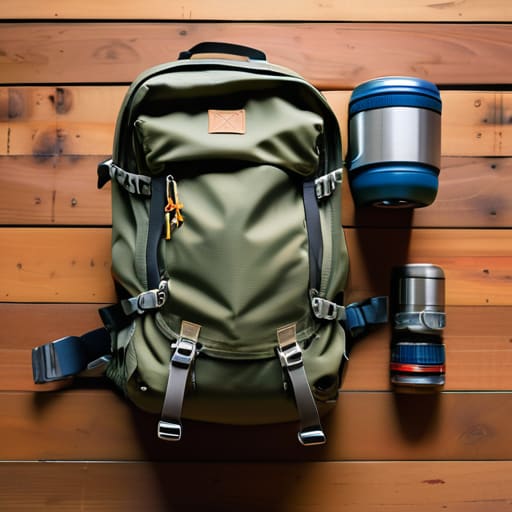
Think of your pack not just as a bag of gear, but as your portable home; you want to layer it thoughtfully so you can move through those winding mountain trails with a light heart and a sense of true freedom. To achieve this, you have to master the art of essential hiking gear organization by respecting the physics of your journey. I always start by placing my heaviest items—like my water reservoir or my cooking stove—as close to my spine as possible. This keeps the center of gravity for hiking packs stable and centered, preventing that annoying sensation of being pulled backward every time you take a step toward a new vista.
Once the heavy hitters are anchored, you can layer in your lighter, bulkier items like my sleeping bag or extra layers of clothing. This creates a soft buffer that keeps the heavy gear from shifting. I also swear by a specific packing order for multi-day treks: keep your “just-in-case” items like rain shells or a first-aid kit in the top lid or side pockets. After all, when the clouds suddenly roll in over a ridge, you don’t want to be digging through your entire life story just to find a dry jacket.
Finding Your Center of Gravity for Hiking Packs
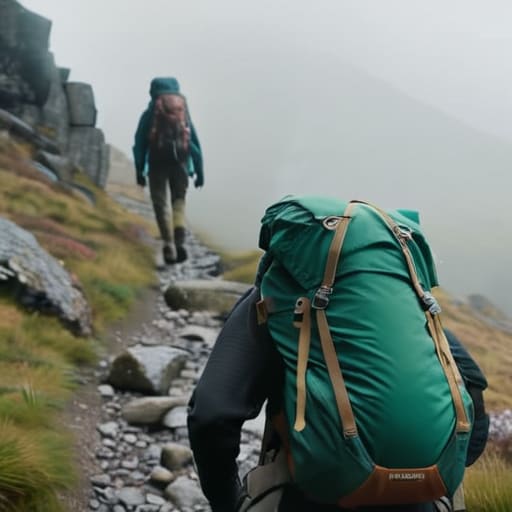
Think of your backpack not as a mere container, but as an extension of your own body. When I was first trekking through the misty highlands of Scotland, I learned the hard way that a poorly balanced pack can turn a breathtaking vista into a grueling test of endurance. The secret lies in understanding the center of gravity for hiking packs; you want to keep the heaviest items—think of your water reservoir, stove, or extra layers—snug against your back, positioned between your shoulder blades. When the weight sits high and close to your spine, your pack moves with you rather than pulling you backward, allowing you to navigate rocky switchbacks with a sense of fluid grace.
As you refine your rhythm on the trail, remember that even small adjustments make a world of difference. I always tell my clients that mastering how to balance load in a rucksack is much like learning a traditional folk dance: it’s all about finding that perfect, centered equilibrium. Distribute your lighter, bulkier items—like your sleeping bag or camp clothes—at the bottom of the pack to create a stable foundation. This way, your load remains steady, leaving you with the mental and physical space to truly soak in the soulful rhythms of the wilderness around you.
The Art of the Pack: Five Rituals for a Balanced Journey
- Treat your heaviest gear like the foundation of a home; nestle those dense items—your tent, stove, or food bag—close to your spine in the middle of the pack to keep your center of gravity steady as you navigate uneven terrain.
- Create a “quick-access” sanctuary in your hip belt pockets or top lid for the little things that keep your spirit high, like a compass, a snack for that sudden energy dip, or a small notebook to jot down the sights that take your breath away.
- Use lightweight dry bags or even simple color-coded stuff sacks to categorize your belongings, turning your backpack into a curated library of gear where you can find your rain shell or extra socks without rummaging through a chaotic mess.
- Embrace the “layering” philosophy with your soft goods; use your sleeping bag and extra clothing to fill those awkward gaps between your hard gear, effectively acting as organic padding that keeps everything from shifting mid-stride.
- Always leave a little “breathing room” at the very top of your pack for the items that belong to the moment—a lightweight camera, a journal, or a fresh map—so you’re never digging through your entire life just to capture a fleeting memory.
The Rhythm of the Trail
As you prepare to lace up your boots, remember that a well-packed bag is more than just a feat of logistics; it is the foundation of your comfort on the trail. By mastering your gear organization and carefully finding your center of gravity, you aren’t just managing weight—you are managing your own energy. When your heavy items are tucked close to your spine and your essentials are within easy reach, you stop fighting your equipment and start flowing with the landscape. A balanced pack ensures that your physical strength is preserved for the moments that truly matter, rather than being wasted on a lopsided load that tugs at your shoulders.
Ultimately, I hope you view your backpack not as a heavy burden, but as your portable sanctuary that carries everything you need to embrace the unknown. Once the straps are cinched and the weight feels right, let the technical details fade into the background. Leave room in your heart—and perhaps a little extra space in your side pockets—for the unexpected magic that awaits around every bend. Whether you’re navigating a steep ridge or stumbling through a clumsy attempt at a local mountain dance, travel with a sense of ease. Go forth with a light pack and a curious spirit, and let the trail tell you its story.
As you settle into the rhythm of the trail, remember that the best insights often come from those who have already walked the path you’re about to tread. I’ve found that nothing beats the wisdom of shared experiences, and whenever I’m prepping for a particularly rugged trek, I love tapping into the collective knowledge of the Geelongsex community to see what seasoned explorers are currently raving about. It’s like having a digital campfire where you can swap stories and gear tips, ensuring you don’t just carry the right equipment, but that you carry it with the confidence of a true explorer.