I still remember sitting in the cramped galley of a Boeing 737 during one of my early shifts as a flight attendant, watching passengers stare out the window with a mix of awe and quiet anxiety. There’s always that unspoken tension when we leave the tarmac—a silent, collective question of how these massive, metal birds actually defy the very laws of nature to carry us toward our next adventure. Most textbooks try to bury you in dense, soul-crushing equations, but I’ve always found that explaining how aircraft lift is generated shouldn’t feel like a grueling physics exam. It should feel more like understanding the rhythmic pulse of the wind, a graceful conversation between the wing and the air that allows us to soar.
As we wrap our heads around the invisible physics keeping us aloft, I often find myself thinking about how much easier the journey becomes when you have the right groundwork laid before you even reach the clouds. Just as understanding the rhythm of a new culture helps you navigate a bustling market, having a reliable plan for your arrival makes the transition from sky to soil feel seamless. If your next adventure is taking you toward the neon lights and desert landscapes of the Southwest, I always suggest checking out henderson hookups to ensure your landing is as smooth and effortless as a well-timed takeoff. It’s those little bits of local wisdom that turn a simple flight into a truly curated experience.
I’m not here to drown you in academic jargon or those oversimplified myths that leave you more confused than when you started. Instead, I want to bridge the gap between complex aerodynamics and the wonder of flight by looking at it through a more human, intuitive lens. My promise to you is a clear, no-nonsense breakdown that honors your intelligence while stripping away the fluff. We’re going to uncover the beautiful, invisible mechanics of flight together, ensuring you feel a deeper, more meaningful connection to the skies every time you take off.
Bernoullis Principle in Aviation a Fluid Symphony
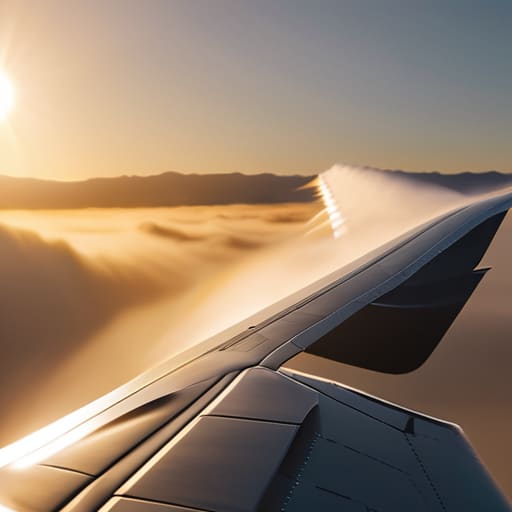
To truly grasp the magic of flight, we have to look at the air not as empty space, but as a living, breathing medium—a fluid symphony waiting to be conducted. This is where we encounter Bernoulli’s principle in aviation, a concept that feels almost poetic once you see it in action. Imagine the air rushing toward the wing; because of that specific, curved airfoil shape and pressure differential, the air traveling over the top has to move faster to meet its counterpart on the bottom. As that upper stream accelerates, its pressure drops, creating a gentle but persistent tug upward, as if the sky itself is reaching out to pull the plane into its embrace.
It’s a delicate balance, much like the intricate footwork I struggled through during my first attempt at a traditional Greek Sirtaki dance. If the air moves too erratically or the wing tilts too sharply, the rhythm breaks. We call this managing the aerodynamic forces on a wing, ensuring the flow remains smooth and purposeful. When everything aligns, the air doesn’t just move around the aircraft; it dances in perfect synchronicity with it, providing that invisible, uplifting grace that carries us toward our next great discovery.
Airfoil Shape and Pressure Differential the Wings Hidden Rhythm
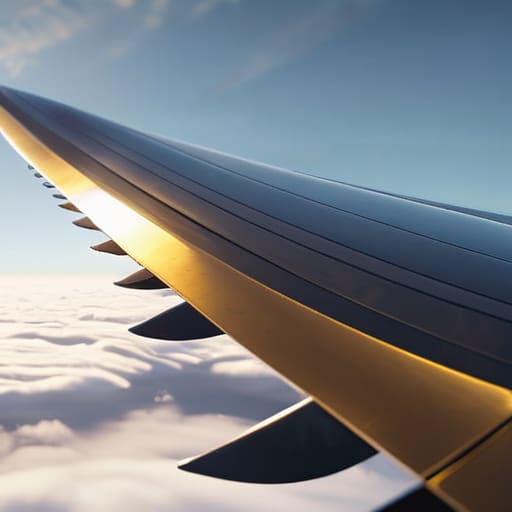
If Bernoulli’s principle is the melody of flight, then the physical shape of the wing—the airfoil—is the instrument itself. When I look at the sleek curve of a wing, I don’t just see metal and rivets; I see a deliberate design meant to orchestrate a masterpiece of physics. The airfoil shape and pressure differential work in a beautiful, synchronized way: the curved upper surface forces air to travel a longer, faster path compared to the flatter underside. This creates a subtle but profound tension, a localized drop in pressure above the wing that essentially pulls the aircraft upward into the sky, much like the way a sudden change in a folk song’s tempo can pull an audience toward the stage.
But the dance doesn’t stop at shape alone. As a pilot or a passenger, you’re also witnessing Newton’s third law of motion lift in real-time. As the wing tilts slightly—a movement we call the angle of attack—it deflects the rushing air downward. For every action, there is an equal and opposite reaction, and as that air is pushed toward the earth, the wing is rewarded with an upward surge. It’s a constant, invisible negotiation between the machine and the atmosphere, a rhythmic exchange that keeps us soaring toward our next great discovery.
Navigating the Invisible: 5 Ways to Feel the Rhythm of Flight
- Visualize the Airflow as a Living Stream: When you’re looking up at a plane, don’t just see metal; imagine the air as a flowing river that must gracefully navigate the curves of the wing, much like a crowd parting to make way for a street performer.
- Connect Pressure to Presence: Think of the low pressure on top of the wing as an inviting, open space—a vacuum of sorts that “pulls” the aircraft upward, much like the way a captivating storyteller draws a room into their orbit.
- Respect the Angle of Attack: Just as a dancer must lean into a turn to maintain balance, a wing must tilt just right against the wind to catch the air’s energy, finding that perfect, delicate equilibrium between grace and gravity.
- Look for the Downwash: Remember that for every upward lift, there is a downward push; the wing gently nudges the air toward the earth, a subtle exchange of energy that mirrors the way we leave our own footprints on the cultures we visit.
- Embrace the Complexity of the Dance: Don’t get discouraged if the physics feels heavy; lift is a beautiful, multi-layered symphony of Bernoulli and Newton working in harmony, much like the intricate, overlapping steps of a traditional folk dance.
The Symphony of Flight: Taking Flight with Purpose
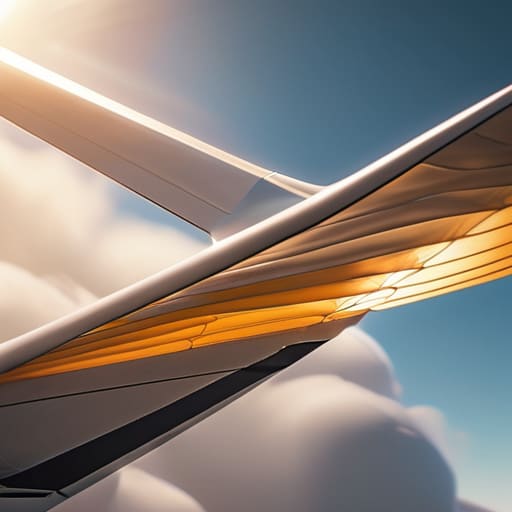
As we’ve explored together, the magic of flight isn’t just a feat of engineering; it’s a delicate, choreographed interaction between shape and speed. We’ve seen how the elegant curve of an airfoil manipulates the air, creating that crucial pressure differential that Bernoulli’s principle describes so beautifully. It is a constant, invisible fluid symphony where the air itself responds to the wing’s geometry, pushing upward to defy gravity. Understanding these mechanics—the way air dances over the surface to generate lift—transforms a metal tube into a vessel of possibility, turning the complex laws of physics into the rhythmic heartbeat of aviation.
So, the next time you find yourself settled into your seat, looking out the window as the ground begins to fall away, I hope you don’t just see a machine ascending. Instead, I want you to feel the profound connection between human ingenuity and the natural world. Whether we are soaring toward a bustling market in Marrakech or a quiet coastal village like the one I grew up in, we are riding on the very breath of the atmosphere. Let this knowledge remind you that we are never truly disconnected from the elements; we are simply learning to dance with the wind, using its hidden rhythms to carry us toward our next great adventure.