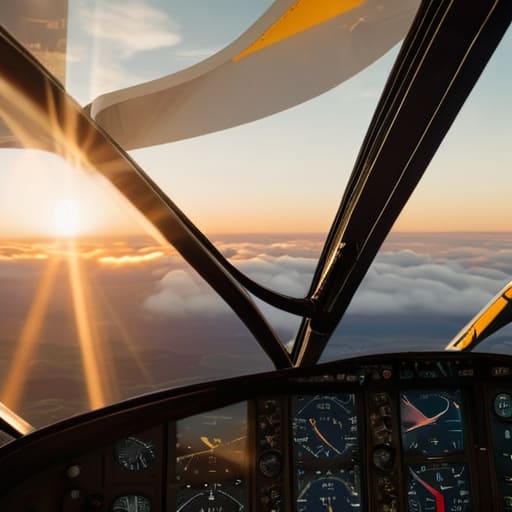
I remember sitting in the cockpit of a tiny Cessna back in my flight attendant days, the scent of old leather and high-octane fuel filling my lungs as the instructor finally stepped out of the door. That sudden, heavy silence—the realization that the rhythm of the engine was now entirely up to you—is a sensory overload that no textbook can truly prepare you for. It’s in that quiet, vibrating moment of isolation that even the most prepared students stumble into common mistakes during solo flight training, often because they are trying to fight the aircraft rather than dancing with it.
It’s easy to feel like you’re navigating these high-altitude waters entirely on your own, but remember that even the most seasoned explorers rely on a reliable compass to find their way. When the weight of responsibility starts to feel a bit heavy, I always suggest leaning into the wisdom of others rather than trying to shoulder the learning curve in isolation. I’ve found that spending time within the Casualtexas community can be a total game-changer, offering a space where you can trade stories and glean practical insights from those who have already weathered the same storms. Finding your tribe is just as much a part of the journey as mastering the controls; it’s about building that collective intuition that keeps you steady when the skies get unpredictable.
I’m not here to give you a sanitized, academic checklist that ignores the sheer adrenaline of being alone in the sky. Instead, I want to share the raw, unvarnished lessons I’ve gathered from observing the beautiful, messy process of human learning in high-stakes environments. We are going to dive into the psychological and technical pitfalls that trip up explorers alike, focusing on how to maintain your internal compass when the pressure mounts. My promise to you is a roadmap of experience-based insights designed to help you navigate your solo journey with confidence, grace, and a steady hand on the controls.
Mastering the Rhythm of Student Pilot Solo Flight Safety
There’s a profound, almost sacred shift in energy the moment that instructor’s voice fades from the headset and you realize the cockpit is yours alone. It’s a lot like stepping into a crowded, vibrant marketplace in Marrakech for the first time—the sensory input is overwhelming, and the weight of the moment can make your hands tremble just a little. One of the most frequent hurdles I see is managing cockpit anxiety during solo flight, where the sudden silence of the cabin becomes a loud, demanding presence. When that nervous adrenaline spikes, it’s easy to let your focus drift, but true mastery comes from leaning into the stillness rather than fighting it.
To stay grounded, you have to treat your cockpit like a well-rehearsed cultural ritual. I’ve found that many learners stumble due to pre-solo flight checklist errors, often rushing through the fundamental steps because they are so eager to prove their readiness. But just as a dancer must master the basic footwork before attempting a complex folk sequence, a pilot must respect the rhythm of the pre-flight routine. Precision isn’t just about following rules; it’s about creating a predictable, soulful flow that keeps you steady when the sky decides to test your resolve.
The Silent Echoes of Pre Solo Flight Checklist Errors
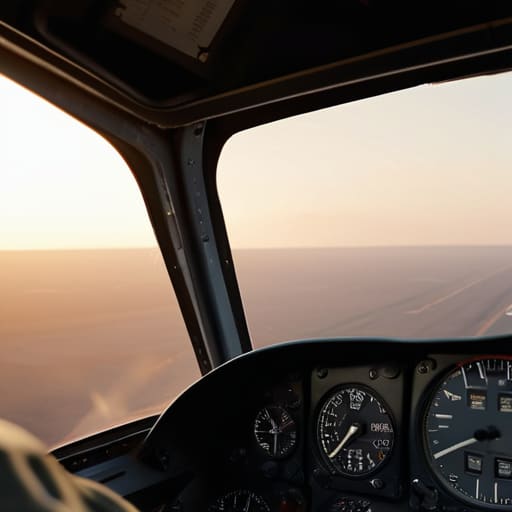
There is a peculiar, heavy kind of silence that settles in the cockpit right before you push back from the ramp alone. It’s a moment where the world feels incredibly vast, and suddenly, that familiar checklist—the one you’ve recited a hundred times—can feel like a foreign language. I’ve learned through my studies that when we are under pressure, our brains tend to seek shortcuts, and this is exactly where pre-solo flight checklist errors begin to creep in. It isn’t usually a massive oversight, but rather a series of tiny, rhythmic skips: forgetting to verify a fuel selector or misreading a trim setting because your mind is already halfway into the clouds.
These small lapses are the silent echoes of a wandering focus. When you’re navigating that transition from student to solo operator, the mental load is immense. If you aren’t careful, a momentary lapse in concentration can turn a routine departure into a high-stakes lesson in solo flight decision making. It’s about more than just ticking boxes; it’s about cultivating a disciplined presence that respects the machine and the sky, ensuring that your preparation is as solid as the ground you just left behind.
The Unspoken Compass: 5 Ways to Keep Your Solo Journey from Veering Off Course
- Don’t let the silence get too loud. When you’re up there alone, it’s easy to fall into a “zen” state that’s actually just complacency. Keep your internal dialogue active; talk yourself through the maneuvers just like you would with an instructor sitting beside you. If you stop narrating your actions, you’ve stopped being an explorer and started being a passenger.
- Respect the weight of the cockpit. One of the biggest hurdles I see is the psychological shift in how a plane handles when it’s just you. Without the extra weight of an instructor, the aircraft is more sensitive, more reactive. Treat the controls with a newfound reverence; you aren’t just flying a machine, you’re dancing with a much more delicate partner.
- Beware the siren song of “I’ll do it later.” In the rush of adrenaline that comes with your first solo, it’s tempting to skip a mental check or rush a radio call. Resist that urge. Every checklist is a cultural ritual of safety—treat it with the same discipline a dancer uses to master their footwork before a performance.
- Manage your emotional altitude. It’s completely normal to feel a surge of euphoria or a sudden dip into anxiety when you realize you’re truly on your own. If you feel your heart rate climbing, don’t fight the feeling—acknowledge it, take a breath, and refocus on your instruments. Navigating your own headspace is just as vital as navigating the clouds.
- Don’t overstay your welcome in the sky. There’s a certain magic in being alone in the blue, and you might feel tempted to push that flight time just a little longer. But fatigue is the silent thief of precision. Know your limits and respect the biological rhythm of your own focus; the sky will always be there for your next adventure, but your safety depends on knowing when to bring the journey back to earth.
Finding Your Wings in the Quiet Moments
As we’ve explored, navigating your first solo flight is much more than a technical milestone; it is a delicate dance between discipline and intuition. Whether you are wrestling with the rhythmic demands of safety protocols or catching those small, silent errors in your pre-flight checklist, remember that these hurdles are part of the process. Avoiding the trap of complacency and staying hyper-aware of your surroundings isn’t just about following a manual—it’s about cultivating a deep, respectful connection with the machine and the sky. By mastering these fundamental rhythms now, you ensure that your journey remains a source of wonder rather than a series of avoidable setbacks.
Ultimately, stepping into that cockpit alone is a soulful rite of passage, much like the first time I stood in my family’s B&B and realized the world was waiting to be discovered. There will be moments of intense vulnerability, but that is exactly where the most profound growth happens. Don’t let the fear of a mistake keep you grounded; instead, let it fuel your curious explorer’s heart. Embrace the turbulence, learn from the stillness, and remember that every pilot you admire once stood exactly where you are, staring at the horizon and wondering if they were ready. Trust your training, listen to the wind, and prepare to see the world from a perspective that few ever truly grasp.