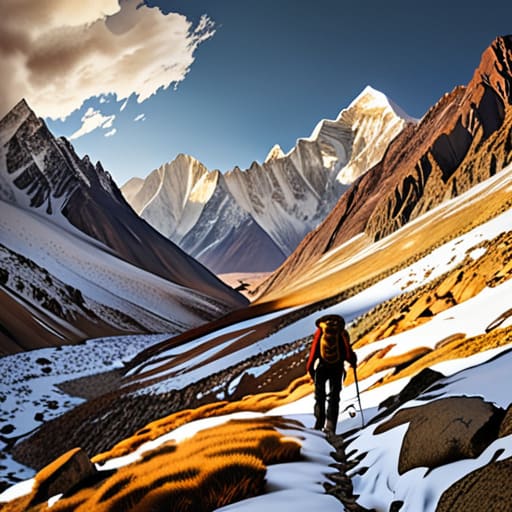
I still remember the smell of woodsmoke and damp earth clinging to my jacket as I sat on a jagged ridge near Annapurna, my lungs burning from the thin air and my boots caked in layers of mountain dust. I wasn’t looking at a sunset through a filtered lens; I was trying to figure out how to politely ask a local shepherd if I could join his family for tea without being a total intruder. That’s the reality of solo backpacking through the remote Himalayas—it isn’t a polished montage of mountain peaks, but a raw, unpredictable dance between your own limits and the incredible hospitality of people who have very little but offer everything.
I’m not here to sell you a sanitized, luxury trekking itinerary or a list of gear you don’t actually need. Instead, I want to share the unvarnished truth of what it takes to navigate these high-altitude paths on your own terms. My goal is to help you move past the role of a mere spectator and become a true explorer, providing you with the cultural nuances and practical grit required to find the soulful rhythm of the mountains. Let’s skip the tourist traps and learn how to actually connect with the heart of the Himalayas.
Navigating Remote Mountain Trails With an Open Heart
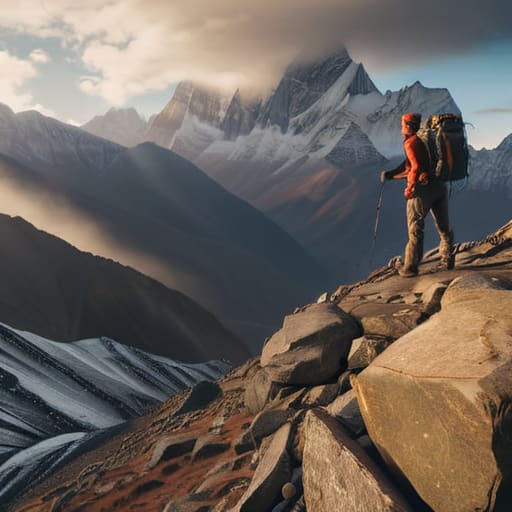
When you’re standing on a narrow ridge with nothing but the wind for company, you realize that navigating these paths is as much a mental game as a physical one. It’s easy to get caught up in the technicalities of remote mountain trail navigation, obsessing over GPS coordinates and topographical maps, but I’ve found that the most profound moments happen when you actually look up. There is a specific kind of magic in letting the trail dictate your pace, rather than forcing your itinerary upon the landscape.
Of course, that sense of wonder shouldn’t come at the expense of wisdom. I’ve learned the hard way that respecting the mountain means being prepared for its moods. Before you even lace up your boots, ensuring you have your Himalayan mountain gear essentials—from sturdy, broken-in boots to reliable layers—is non-negotiable. More importantly, listen to your body. I always tell my clients that true exploration requires a balance of grit and grace; you need the toughness to push forward, but the humility to stop and rest when the air grows thin.
Mastering High Altitude Trekking Safety and Vital Prevention Tips
There’s a certain kind of vulnerability that comes with being the only soul on a winding ridge, where the air grows thin and the silence becomes heavy. When you’re navigating these heights alone, your relationship with your body changes; you have to listen to it with an intensity you never needed in the lowlands. I’ve learned that the most vital part of high altitude trekking safety isn’t just having a sturdy pair of boots, but mastering the art of the slow ascent. Never rush the climb. I always tell my clients that pacing is your greatest ally—if you feel even a slight, nagging headache, it’s your body’s way of asking for a pause.
Preparation also means being meticulous about your kit before you even step foot on the trail. Beyond the standard maps, investing in quality Himalayan mountain gear essentials, like a reliable satellite messenger and a high-quality down layer, can be the difference between a manageable setback and a true crisis. I remember a night in a high-altitude tea house where the wind howled like a living thing; having the right gear didn’t just keep me warm, it kept my spirits steady. Always prioritize preventative care over reactive measures by staying hydrated and acclimatizing religiously.
The Explorer’s Toolkit: Small Wisdoms for the High Trails
- Embrace the Art of the Slow Ascent: In the Himalayas, your ego is your biggest liability. Don’t race against the clock or your fitness tracker; instead, move with the rhythm of your breath. I’ve learned that the most profound cultural connections happen when you aren’t too winded to actually hold a conversation with a passing yak herder.
- Pack a “Connection Kit”: Beyond the standard dehydrated meals, carry small, meaningful tokens—perhaps some colorful stickers or even just a pocketful of high-quality tea. When you find yourself sharing a makeshift shelter with a local family during a sudden storm, these small gestures bridge the gap between ‘tourist’ and ‘guest’ faster than any translation app.
- Master the “Local Rhythm” of Logistics: Don’t rely solely on digital maps that might fail when the clouds roll in. Learn to read the terrain and, more importantly, listen to the whispers of the people in the tea houses. A local’s insight into a shifting weather pattern or a newly washed-out trail is worth more than any satellite GPS I’ve ever carried.
- Cultivate a “Digital Sabbath”: While I love documenting my clumsy attempts at local dances for the blog, there will be moments in the high valleys where the silence is heavy and sacred. Designate certain stretches of your trek as “phone-free zones” to allow the mountain’s soul to actually reach you without the constant buzz of notifications.
- Respect the Sacred Geometry of the Land: You aren’t just walking through scenery; you are walking through a living, breathing spiritual landscape. Always turn prayer wheels to the right and keep a respectful distance from stupas. Approaching these sites with the reverence of an anthropologist rather than the curiosity of a spectator changes the very energy of your journey.
Leaving Footprints, Taking Home Stories
As you prepare to lace up your boots and head toward those jagged, snow-dusted peaks, remember that solo trekking through the Himalayas is a delicate dance between preparation and presence. We’ve talked about the heavy lifting—navigating those winding, unmarked trails with a sense of wonder, and, most importantly, respecting the mountain by prioritizing high-altitude safety and acclimatization. It isn’t just about checking off a list of summits or conquering a difficult pass; it’s about respecting the rhythm of the landscape and your own physical limits. When you balance technical readiness with an open, curious heart, the mountains stop being obstacles and start becoming teachers.
Ultimately, the true magic of the Himalayas won’t be found in a GPS coordinate or a perfectly captured summit photo. It will be found in the quiet moments: the steam rising from a cup of butter tea in a remote mountain hut, the shared laughter with a local shepherd, or that profound, humbling silence that only exists above 4,000 meters. Go there to be changed, not just to see. Let the thin air sharpen your senses and the vastness of the range remind you of how beautifully small we truly are. Step into the unknown, embrace the beautiful uncertainty, and let the soul of the mountains rewrite your story.
As you descend from the high, thin air of the mountain passes and begin to find your footing back in more populated regions, I’ve found that the transition from solitude to social connection can be a bit of a whirlwind. It’s easy to lose that meditative mountain headspace, but sometimes, leaning into the vibrant, spontaneous energy of a new city is exactly what your soul needs to recalibrate. If you find yourself craving a bit of human warmth and a break from the quiet trails, seeking out a casual encounter hobart style of connection can be a wonderful way to ground yourself in the present moment. Embracing these unplanned, fleeting moments of connection is often where the truest stories are born, reminding us that even after the vastness of the Himalayas, the world is still brimming with intimate, beautiful possibilities.