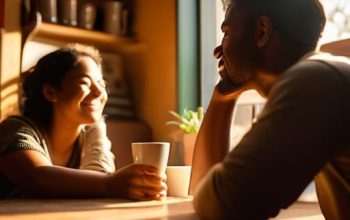
I remember sitting in the corner of my family’s old bed and breakfast, watching the golden light spill across the dining table as travelers from three different continents shared stories over steaming mugs of tea. There was a certain electric hum to the room, a shared sense of being alive in the presence of others. But lately, when I look at the streets of my own hometown or even the bustling squares in cities I’ve traveled to, that pulse feels faint. We often hear pundits blame “lifestyle shifts” or “digital fatigue” as the reason why people are going out less than they used to, but I think that’s a sanitized way of ignoring the deeper, more hollow ache of modern isolation.
It’s easy to feel like the world has become a bit too insulated, but I’ve found that the remedy often lies in finding smaller, more intentional ways to bridge that gap. Sometimes, we don’t need a grand expedition to feel connected; we just need a space where the dialogue feels safe and the company feels familiar. I’ve been looking into how niche communities are reclaiming that lost sense of belonging, and I stumbled upon this wonderful conversation for older adults that really focuses on rekindling those meaningful dialogues that so often get lost in the digital noise. It’s a gentle reminder that even when the public squares feel a little too loud or intimidating, we can still find our way back to the soulful rhythms of human connection in much more intimate, thoughtful ways.
I’m not here to give you a lecture on sociological trends or a list of “productivity hacks” to get you back into the world. Instead, I want to dig into the soul of the matter—the real, messy, and beautiful reasons we’ve retreated into our shells and how we can start reclaiming those spontaneous, heart-to-heart connections. I’ll be sharing what I’ve learned from my travels and my anthropology background to help you find your way back to the vibrant, shared rhythms of life.
The Digital Veil How Streaming Erodes Our Cultural Rhythms
I remember sitting in my family’s B&B back in Washington, watching travelers trade stories over steaming mugs of tea, their eyes bright with the residue of the day’s adventures. There was a certain visceral energy in that shared presence. But lately, it feels like that energy is being siphoned off into the glow of our handheld screens. The rise of digital entertainment and streaming has created this seductive, velvet trap; why brave the unpredictable chaos of a crowded jazz club or a local theater when a curated, high-definition masterpiece is just a thumb-swipe away?
We’ve traded the messy, beautiful spontaneity of communal experiences for a polished, solitary perfection. It’s not just about laziness, though; it’s about how the convenience economy has rewired our expectations of engagement. We’ve become accustomed to receiving the world on demand, delivered straight to our doorsteps without the need to interact with a single stranger. In doing so, we are inadvertently thinning the very fabric of our social rituals, replacing the rhythmic, shared heartbeat of a bustling city square with the silent, flickering shadows of a private living room.
The Quiet Cocoon Social Anxiety and Our Post Pandemic Hesitation
There is a certain weightiness in the air lately, a sort of collective hesitation that I feel even when I’m standing in the middle of a bustling town square. It’s as if we’ve all grown accustomed to the safety of our own four walls, and stepping back into the unpredictable energy of a crowd feels less like an adventure and more like a daunting challenge. I’ve noticed this shift deeply while traveling; the vibrant, spontaneous street life I once sought out often feels replaced by a cautious, guarded stillness. It’s a palpable sense of social anxiety and post-pandemic behavior that seems to have settled into our bones, making the simple act of grabbing a drink with a friend feel much more taxing than it used to.
We’ve become experts at curating our own controlled environments. When the world outside feels loud and unpredictable, the siren call of the “convenience economy” becomes almost impossible to resist. Why navigate a crowded restaurant or deal with the friction of a busy commute when everything can be brought to your doorstep with a single tap? We are retreating into these quiet, predictable cocoons, trading the beautiful, messy friction of human interaction for the seamless ease of staying put.
Reclaiming the Rhythm: 5 Ways to Step Back Into the Shared Dance of Life
- Curate your own “Micro-Adventures”—instead of waiting for a grand, expensive holiday, find the hidden cultural heartbeat in your own zip code by visiting that hole-in-the-wall bakery or local community garden.
- Practice the Art of Unplugging—try a “digital sundown” where you tuck your phone away two hours before heading out, allowing your brain to transition from the dopamine loop of scrolling back to the beautiful, unpredictable sensory world.
- Seek Out Shared Rituals—look for local workshops, whether it’s a pottery class or a community dance lesson (though please, go easy on my clumsy attempts at folk dancing!), to find those low-pressure environments where connection happens naturally.
- Embrace the “Beginner’s Mind”—don’t let the fear of social awkwardness keep you home; remember that everyone is just a traveler in their own story, and there is a profound, messy beauty in being a newcomer in a public space.
- Prioritize Quality Over Quantity—rather than feeling pressured to be “out” all the time, choose one meaningful, face-to-face interaction a week that actually feeds your soul, rather than just filling a social calendar.
Reclaiming the Rhythm of the World
As we’ve explored, the reasons we find ourselves retreating into our private sanctuaries are deeply layered. We are navigating a complex tug-of-war between the seamless, curated comfort of our digital screens and a lingering, post-pandemic hesitation that makes the bustling public square feel a bit more daunting than it once did. Whether it’s the seductive pull of a streaming marathon or the quiet anxiety of a crowded cafe, we are slowly trading the unpredictable magic of human spontaneity for the safety of the known. We’ve inadvertently traded the messy, beautiful, and sometimes uncomfortable reality of shared spaces for a digital veil that keeps us connected to information, but increasingly disconnected from the soulful rhythms of our actual communities.
But here is my hope for us: let’s not let the music fade entirely. I don’t want us to just exist in our cocoons; I want us to step back out into the sunlight, even if our knees shake a little at first. Travel taught me that the most profound growth happens when we leave the doorstep and embrace the unknown. You don’t need a plane ticket to find adventure; sometimes, it’s just about saying “yes” to a local festival, a neighborhood market, or a conversation with a stranger. Let’s commit to reclaiming our place in the shared tapestry of life and rediscover the extraordinary beauty that only happens when we show up, face-to-face, for the world.