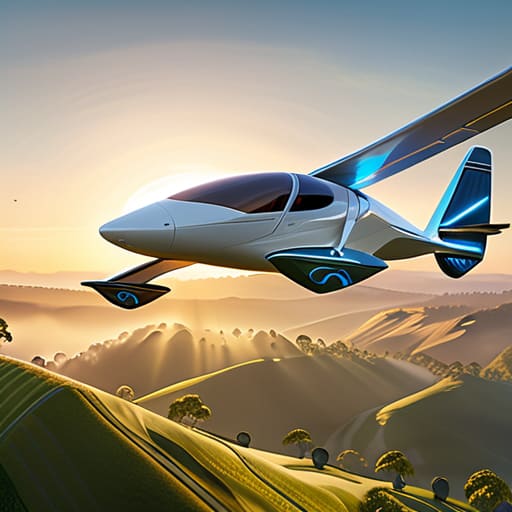
I still remember the deafening, bone-shaking roar of the turboprop engines during a short hop between islands in Indonesia last year; the vibration was so intense I could barely focus on the breathtaking coastline blurring past my window. It felt less like a journey of discovery and more like a mechanical assault on my senses. We’ve been told for decades that getting from one small, culturally rich hub to another requires this massive, noisy carbon footprint, but I’ve always felt that the sheer scale of traditional aviation creates a barrier between us and the very places we seek to understand. I truly believe that understanding how electric planes will change regional travel is about more than just new tech; it’s about reclaiming the quiet intimacy of exploration.
I’m not here to sell you on shiny, unproven futuristic fantasies or corporate buzzwords. Instead, I want to pull back the curtain on the actual mechanics and cultural shifts this transition will trigger. I promise to give you a grounded, anthropology-informed look at how these silent skies will make the world’s hidden corners more accessible without stripping them of their soul. We’re going to explore the real-world impact of this shift, ensuring you’re ready to navigate a future where travel feels less like a commute and more like a meaningful connection.
Decarbonizing Regional Air Mobility Through Pure Connection

Decarbonizing regional air mobility isn’t just about swapping out engines; it’s about preserving the very landscapes we travel so far to see. When I think back to the quiet, misty mornings in my hometown, I realize how much we stand to lose if we don’t change our ways. By focusing on decarbonizing regional air mobility, we aren’t just checking a box for the planet; we are ensuring that the remote villages and untouched coastlines remain as pristine as the day they were discovered. It’s about moving through the world with a lighter footprint, allowing us to reach those soulful, tucked-away corners without leaving a trail of carbon in our wake.
As we look toward the future of zero-emission aviation, the magic lies in the intimacy of the journey. Imagine a world where short, hop-on flights between small towns feel less like a heavy industrial necessity and more like a seamless, quiet glide. This shift allows us to prioritize meaningful connection over mere transit. Instead of the roar of a jet engine, we’ll experience the gentle hum of progress, making every regional hop a sustainable step toward a deeper understanding of our global neighbors.
The Future of Zero Emission Aviation and Our Shared Earth
When I look toward the horizon, I don’t just see new destinations; I see a profound responsibility to protect the very landscapes that call to our souls. The future of zero-emission aviation isn’t just a technical milestone; it’s a promise to the quiet coastal towns and ancient mountain villages that make our world worth exploring. As we push the boundaries of electric aircraft battery technology, we aren’t just upgrading engines—we are ensuring that the air remains as crisp and inviting as the stories we go there to find.
This evolution will likely manifest in ways that feel almost magical. Imagine the eVTOL impact on short-haul flights, where small, quiet electric vessels whisk us from a bustling hub to a remote island retreat without the heavy, roaring footprint of traditional jets. It’s about more than just moving from point A to B; it’s about ensuring our presence doesn’t disrupt the delicate rhythm of the places we visit. By investing in these cleaner skies, we are essentially writing a love letter to the planet, ensuring that the next generation of explorers can discover the world’s hidden gems with unspoiled beauty still intact.
Navigating the New Skies: How to Embrace the Electric Revolution
- Look for the “hidden” hubs. As electric planes make short-haul hops more viable, keep your eyes peeled for smaller, regional airfields that were once too quiet. These tucked-away gems will become your new gateways to remote cultures, bypassed by the giants but embraced by the electric.
- Prioritize the “Slow Travel” mindset. With quieter, more frequent regional flights, you don’t have to rush to the major capitals. Use these new connections to weave a more intricate tapestry of your journey, hopping between small towns rather than just bouncing between mega-cities.
- Pack light and lean into agility. Electric aviation is all about efficiency and streamlined travel. Embrace the freedom of smaller, more nimble aircraft by traveling with a lighter footprint, allowing you to transition seamlessly from a regional flight to a local mountain trail or a coastal village stroll.
- Seek out the stories, not just the sights. Use the increased accessibility of these quiet, zero-emission routes to visit communities that were previously difficult to reach sustainably. The goal isn’t just to get there, but to arrive with a lighter environmental impact so the local traditions stay as vibrant as the day you found them.
- Stay curious about the tech-meets-tradition blend. As you fly, observe how these modern marvels integrate into ancient landscapes. Part of the adventure is seeing how a silent, electric arrival changes the energy of a place—it’s a new way to witness the harmony between human innovation and the natural world.
The Horizon Awaits: Embracing the New Rhythm of Flight
As we’ve explored, the shift toward electric aviation isn’t just a technical upgrade or a win for carbon statistics; it is a fundamental reimagining of how we touch the earth. By decarbonizing our regional hops and embracing zero-emission technology, we are doing more than just cleaning up our transit—we are protecting the very landscapes that draw us to travel in the first place. From reducing the noise pollution that disrupts quiet mountain villages to lowering the environmental footprint of our short-haul adventures, electric planes offer a way to move through the world without leaving a heavy shadow behind. It’s about ensuring that the soulful connection we seek with new cultures remains intact for the generations of explorers who will follow in our footsteps.
So, as I sit here sketching out my next map—perhaps one that leads to a remote coastal town where the only sound is the tide and the gentle hum of a new kind of aircraft—I can’t help but feel a sense of profound wonder. We are standing on the precipice of a new era where our desire to see the world and our responsibility to care for it finally dance in perfect harmony. Let’s not just be tourists who fly from point A to point B; let’s be the kind of travelers who choose a path that honors the planet’s delicate rhythms. The sky is calling, and it’s looking brighter, cleaner, and more inviting than ever before.
As we look toward this greener horizon, I often find myself wondering how we can better prepare our own curious hearts for these upcoming shifts in how we move through the world. While I spend most of my time mapping out remote villages and trying (and often failing!) to master local folk dances, I’ve realized that staying informed is part of the adventure itself. If you’re looking to dive deeper into the nuances of modern lifestyle shifts and the changing social landscapes that often accompany such massive technological leaps, checking out resources like slutwives online can offer a unique, unfiltered perspective on how human connections are evolving. It’s all about staying culturally attuned to the world as it transforms right before our eyes.