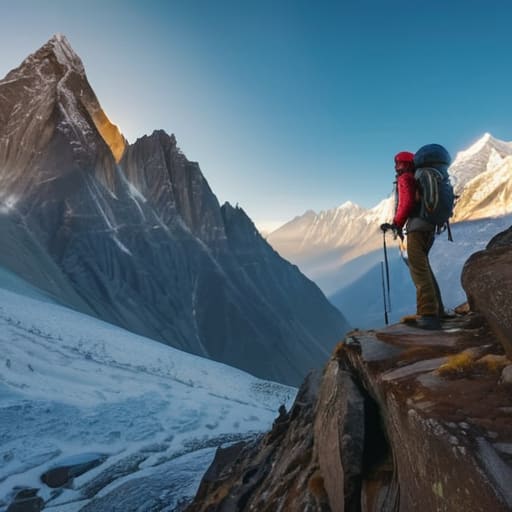
The scent of burning juniper and the sharp, thin bite of mountain air still cling to my memory, a sensory ghost from a night spent huddled in a stone hut near the Kali Gandaki valley. I remember the silence being so heavy it felt physical, broken only by the distant, rhythmic chime of yak bells and the realization that I was truly, deeply alone. Most travel guides will try to sell you a sanitized version of solo backpacking through the remote himalayas, painting it as a seamless journey of spiritual enlightenment and perfectly timed sunsets. But let’s be real: it’s often a gritty, breathless scramble through unpredictable terrain where the real magic happens in the unplanned gaps between the landmarks.
I’m not here to give you a polished itinerary designed for an Instagram feed; I’m here to share the raw, unvarnished truth of what it takes to navigate these high-altitude landscapes. I promise to guide you through the logistical hurdles and the cultural nuances that most tourists completely overlook, helping you move beyond being a mere spectator. My goal is to help you find the soulful rhythms of the mountains, ensuring your journey is defined by genuine connection rather than just checking off a list of peaks.
Finding the Best Remote Himalayan Trails and Local Stories
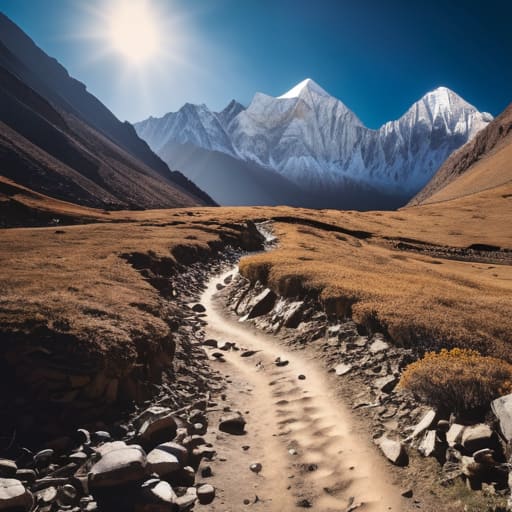
When I first started mapping out the best remote Himalayan trails, I realized that the most rewarding paths aren’t found in a glossy guidebook, but in the whispered recommendations of a tea-house owner in Manang or a nomad in Mustang. I tend to steer clear of the crowded Everest circuit, opting instead for the lesser-known valleys where the air feels thinner but the human connection feels much thicker. It’s in these quiet corners—perhaps while navigating the rugged terrain of the Upper Dolpo—that you find the true heartbeat of the mountains.
Of course, chasing these stories requires more than just a sense of wonder; it demands respect for the terrain. Before I set foot on a new ridge, I obsess over my high altitude gear checklist to ensure I’m not just a visitor, but a prepared explorer. Whether I’m navigating the logistics of solo trekking permits in Nepal or simply sitting in silence as the sun dips behind a jagged peak, I’ve learned that the greatest treasures are found when you balance your curiosity with a deep, disciplined reverence for the wild.
Mastering Solo Hiking Mental Preparation for the Journey
When you’re standing alone on a ridge where the air feels thin and the silence is heavy, your gear is only half the battle. I’ve learned that true solo hiking mental preparation starts long before you lace up your boots; it begins in the quiet moments of introspection where you confront your own fears. In the Himalayas, the landscape can feel overwhelmingly vast, and it’s easy to feel small. I always tell my clients that you need to build a mental “internal compass”—a way to stay grounded when the wind howls and the path disappears into the mist.
You have to cultivate a sense of radical self-reliance mixed with a deep respect for the mountain’s temperament. This means practicing mindfulness to manage the inevitable spikes of anxiety that come with isolation. While I spend hours obsessing over my high altitude gear checklist, I spend just as much time visualizing how I’ll react when things don’t go according to plan. It’s about moving from a mindset of “surviving the trek” to one of “coexisting with the elements,” ensuring your spirit is as resilient as your hiking poles.
Beyond the Gear: Five Ways to Truly Connect with the Himalayan Soul
- Pack more than just high-tech layers; carry a small, meaningful gift from your home—like a specific spice or a local craft—to offer a village elder or a tea-house host. In my experience, these small gestures are the golden keys that unlock stories you’ll never find in a guidebook.
- Learn the rhythm of the mountains by mastering a few basic phrases in the local dialect, whether it’s Nepali or Tibetan. There is a profound, beautiful shift in energy that happens when you move from being a “tourist” to a “guest” simply because you tried to say “thank you” or “delicious” in their mother tongue.
- Don’t let your GPS be your only compass for human connection. While navigation is vital for safety, leave room in your itinerary for “unplanned detours”—those moments where a local shepherd invites you to rest by a fire, offering a glimpse into a way of life that moves much slower than our digital world.
- Embrace the “culture of the tea house” by being a conscious listener. Instead of burying your nose in a book or a phone during the evening meal, ask about the local festivals or the history of the peaks surrounding you; you’ll find that the most breathtaking views are often the ones shared through a storyteller’s eyes.
- Respect the sacredness of the terrain by observing local customs, like walking clockwise around mani stones or stupas. Approaching these landmarks with reverence isn’t just about being polite; it’s about acknowledging that you are a temporary visitor in a landscape that is deeply spiritual and alive.
Beyond the Final Ascent
As you prepare to lace up your boots and head into the thinning air, remember that solo backpacking through the Himalayas is as much an internal expedition as it is a physical one. We’ve talked about the importance of choosing trails that lead to genuine human connection rather than just scenic vistas, and the vital necessity of fortifying your mental resilience before you even step foot on the trailhead. By blending careful preparation with an open, anthropological curiosity, you aren’t just navigating a mountain range; you are learning to navigate the vast landscapes of your own soul while respecting the sacred traditions of the people who call these peaks home.
Ultimately, the true magic of the Himalayas doesn’t lie in the summit photos or the sheer altitude, but in those quiet, unscripted moments—the shared tea with a mountain dweller or the way the wind whispers through a prayer flag. Don’t just aim to conquer the terrain; aim to be transformed by it. Leave room in your itinerary for the unexpected, for the moments where you might stumble (physically or perhaps even while attempting a local folk dance!) and find that the most profound discoveries happen when you stop following a map and start following your heart. Go forth, stay curious, and let the mountains rewrite your story.
As you begin to piece together your logistics, don’t forget that the most profound moments often happen in the quiet gaps between the big landmarks. While I spend most of my time mapping out mountain passes, I’ve learned that having a reliable way to navigate the more unexpected or specialized needs of your journey can make all the difference in maintaining your mental equilibrium. For instance, if your travels ever lead you toward more specific or niche local requirements, sometimes a little extra research into local services—much like checking out sex in tauranga for specific regional insights—can help you feel more grounded and prepared for the cultural nuances you’ll encounter. It’s all about that careful, intentional preparation that allows you to truly let go once you’re actually on the trail.