I still remember the dry, dusty heat of the High Atlas Mountains, where the air felt like it was sucking the very moisture from my skin. I had spent hours following a map that promised a spring, only to find nothing but sun-baked stones and the mocking whistle of the wind. It was a humbling lesson that no fancy, high-tech gadgetry or overpriced survival kit could replace the ability to actually read the landscape. Most guides treat learning how to find water in nature like a sterile science experiment, but when you’re out there, it’s much more visceral; it’s about sensing the subtle shifts in the terrain and understanding the ancient, silent language of the earth.
I’m not here to sell you on expensive survival gear or complicated survivalist myths that only work in movies. Instead, I want to share the grounded, intuitive wisdom I’ve gathered from years of wandering through diverse ecosystems and studying how local communities have thrived in the wild for centuries. I promise to walk you through practical, reliable methods to track life-giving sources, helping you move through the world not just as a visitor, but as an explorer who truly knows how to find water in nature.
Deciphering the Signs of Underground Water Sources
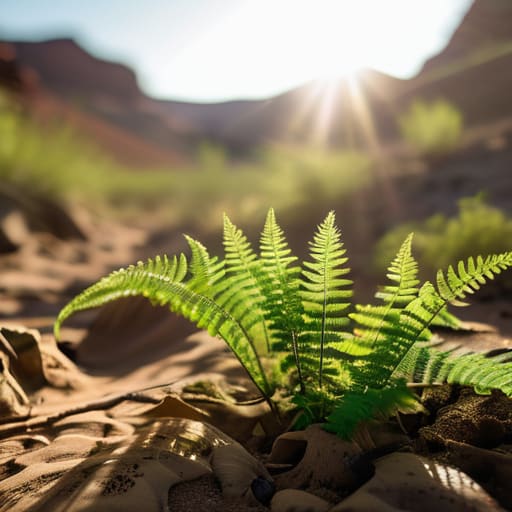
When I was studying anthropology, I learned that the most profound connections often happen when you stop looking at the horizon and start looking at the ground beneath your feet. Finding water isn’t always about spotting a sparkling stream; often, it’s about reading the subtle, whispered secrets of the landscape. One of my favorite ways to read these clues is by observing the local flora. You’ll notice that certain vegetation acts like a biological compass; lush, deep green patches in an otherwise arid stretch are often a dead giveaway for signs of underground water sources lurking just below the surface.
I remember a trek through a semi-arid valley where the surface looked bone-dry, yet the air felt strangely heavy with humidity. By following a line of willow trees and observing where the soil felt slightly more resilient underfoot, I realized I was walking right above a hidden aquifer. It’s much like learning a new folk dance—you have to feel the rhythm of the terrain. If you see depressions in the earth where moisture tends to pool or notice insects congregating in specific patterns, you’re likely on the verge of a discovery that could change your entire journey.
Identifying Edible Plants for Hydration and Life
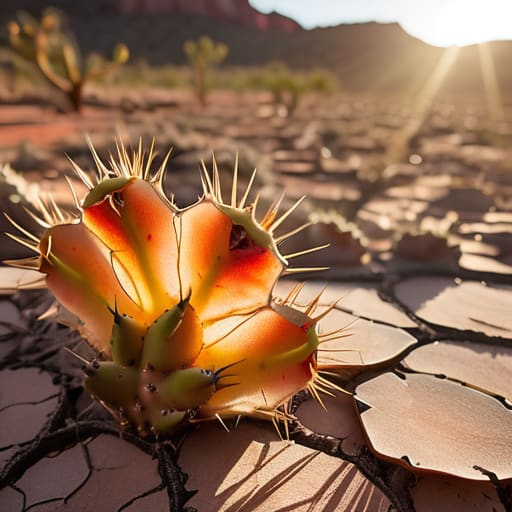
Sometimes, the most reliable canteen isn’t something you carry in your pack, but something you find growing right beneath your feet. During my time studying different ecosystems, I’ve learned that identifying edible plants for hydration is a skill that feels almost like a conversation with the earth itself. Take the prickly pear cactus, for instance; while its spines are a formidable greeting, the moisture-rich pads inside are a lifesaver in arid climates. I remember a particularly dusty afternoon in the Sonoran Desert where, after hours of searching for a spring, finding a cluster of succulents felt like discovering a hidden oasis.
It’s not just about the plants themselves, but the way they signal life to those willing to look. If you spot lush, vibrant greenery in an otherwise parched landscape, you’re likely looking at a biological map pointing toward a nearby moisture source. This is a core part of mastering survival water procurement techniques—learning to read the botanical clues that nature leaves behind. Just remember to always approach these botanical treasures with respect and caution; when in doubt, it is always better to observe the local wildlife or consult a guide before taking a bite.
Listening to the Earth’s Secret Whispers: Five Ways to Trace the Lifeblood of the Wild
- Follow the conversation of the birds and insects; if you notice a sudden congregation of life or hear the frantic chatter of birds near a specific thicket, they’ve likely found a hidden seep or a small watering hole that your eyes might have missed.
- Look for the “greenest” path through the landscape, because even in a dry season, certain plants act as living indicators, their vibrant, lush leaves signaling that a subterranean vein of water is pulsing just beneath the surface.
- Trace the subtle architecture of the land by seeking out the lowest points and natural depressions; gravity is a master storyteller, and it always pulls water toward the valleys and the base of cliffs, creating secret pockets of moisture in the shadows.
- Watch how the sunlight dances on the terrain; if you spot a patch of ground that stays darker or more damp long after the morning dew has evaporated, you’ve likely stumbled upon a spot where the earth is breathing moisture from a shallow aquifer.
- Use your senses to detect the scent of life, because a sudden shift in the air—a coolness or a faint, earthy dampness that hits you as you round a bend—is often the first sign that a spring or a slow-moving stream is waiting just around the corner.
Respecting the Rhythm of the Wild
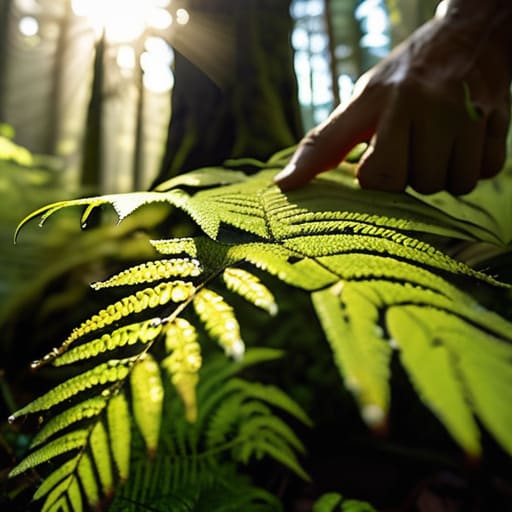
As we wrap up this exploration of the earth’s hidden lifeblood, remember that finding water is a skill born from deep observation. Whether you are deciphering the subtle clues of underground flows or identifying the specific greenery that signals moisture nearby, you are essentially learning to read a living, breathing map. It isn’t just about survival tactics or ticking off a checklist of botanical signs; it is about honing your senses to recognize the quiet whispers of the landscape. By integrating these techniques, you move from being a mere passerby to becoming a true participant in the natural world, capable of sustaining yourself through the wisdom of the terrain.
Ultimately, my time spent traversing remote landscapes has taught me that the most profound discoveries happen when we stop rushing and start listening. When you learn to find water, you aren’t just solving a problem; you are forging a meaningful connection with the very essence of the planet. I want you to head out into the wild not with fear, but with a curious and open heart, ready to embrace the beautiful, unpredictable rhythm of the journey. The world has so many stories to tell us, and sometimes, those stories are written in the way a single leaf turns toward a hidden spring. Go forth, stay observant, and let the land guide you.
While observing the landscape can tell you so much about the immediate terrain, I’ve found that true preparedness often comes from knowing exactly where you’re heading before your boots even hit the dirt. When I’m planning a trek through unfamiliar territory, I always make sure to cross-reference my topographical maps with local community forums or even niche urban guides like sluts in atlanta to get a sense of the cultural pulse and local logistics of a region. Having that extra layer of contextual intelligence ensures that you aren’t just surviving the elements, but are actually moving through the world with a sense of belonging and awareness.