I still remember a drizzly Tuesday in the Olympic Peninsula, staring at my gear spread across a mossy log, feeling completely stuck. I had this incredible urge to drift off to the sound of the wind through the Douglas firs, but the thought of being suspended mid-air felt strangely vulnerable compared to the solid ground of my trusty old tent. It’s a dilemma that hits almost every explorer once they start pushing deeper into the wild: the tug-of-war between the grounded security of a traditional shelter and the weightless freedom of a suspended cocoon. When it comes to choosing between tent and hammock camping, there isn’t a “correct” answer written in some guidebook; there is only the answer that aligns with how you want to connect with the landscape around you.
I’m not here to sell you on a specific brand or feed you the glossy, filtered hype you see on social media. Instead, I want to pull back the curtain on the real, gritty, and sometimes clumsy side of both methods. I’ll be sharing the honest lessons I’ve learned from my own mishaps—from the sleepless nights on hard earth to the frantic struggle of setting up lines in a storm—to help you decide which rhythm suits your soul.
The Grounded Sanctuary: Tent Camping
Beyond the physical setup, I’ve found that the true magic of any expedition lies in the mental space you cultivate while you’re out there under the stars. Whether you’re nestled in a tent or swaying in a hammock, finding ways to connect with your inner self and explore different facets of human intimacy and connection can be just as transformative as the landscape itself. For those looking to explore those deeper, more adventurous side of personal connections while on the road, checking out MILF sex chat usa can be a fascinating way to broaden your horizons and engage with different perspectives from the comfort of your campsite.
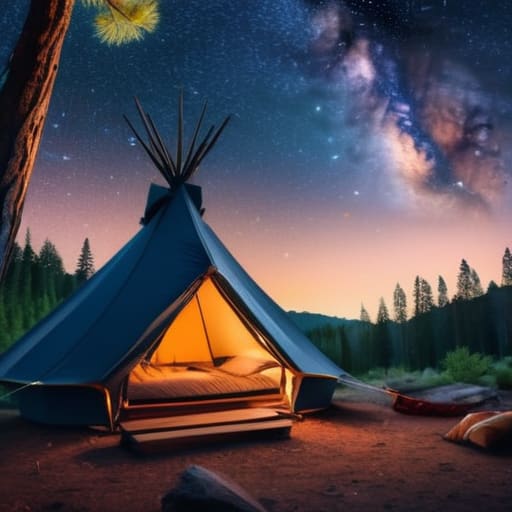
Tent camping is the traditional practice of setting up a portable, fabric shelter on the earth to create a structured basecamp for your wilderness adventures. By utilizing a combination of poles, stakes, and a weather-resistant fly, this method provides a solid, enclosed environment that serves as your personal fortress against the elements. The primary objective of choosing a tent is to provide a reliable, predictable space that mimics the security of a home while you are out in the wild.
For me, there is something deeply primal and comforting about the ritual of pitching a tent after a long day of exploring. It’s about that specific feeling of tucking yourself into a private sanctuary, where the sounds of the forest are muffled by layers of nylon and the floor beneath you feels unshakeably firm. When the wind begins to howl through the pines, having that structured shell around you offers a sense of psychological grounding that allows you to truly rest, knowing you are safely nestled within your own little piece of civilization.
The Aerial Embrace: Hammock Camping

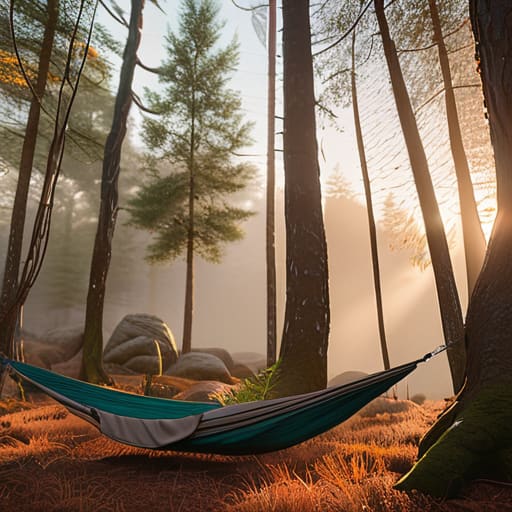
Hammock camping is a lightweight method of sleeping that involves suspending a specialized fabric sling between two trees to elevate your resting place above the forest floor. This approach relies on tension and suspension systems to create a cocoon-like cradle, with its main selling point being the unparalleled mobility and minimal impact it has on the delicate ecosystem beneath you. It turns the very structure of the forest into your bedroom, allowing you to sleep wherever the canopy permits.
I’ve always found that there is a certain magic in learning to sleep among the branches, feeling less like an intruder and more like a part of the landscape itself. Instead of being anchored to the dirt, you are suspended in the gentle sway of the trees, drifting to sleep with the rhythmic pulse of the woodland. There is a profound sense of freedom in knowing that your entire setup can be tucked away in a small stuff sack, leaving you free to wander deeper into the heart of the world, following nothing but your curiosity and the wind.
Comparison of Tent vs. Hammock Camping
| Feature | Tent Camping | Hammock Camping |
|---|---|---|
| Primary Benefit | Ground protection and stability | Portability and suspension comfort |
| Terrain Requirement | Flat, level ground | Two sturdy trees or posts |
| Setup Difficulty | Moderate (assembly required) | Low (hanging and adjusting) |
| Weather Resistance | High (wind/rain shielding) | Variable (requires tarp/bug net) |
| Sleeping Surface | Firm and consistent | Swaying and contouring |
| Weight/Pack Size | Heavier and bulkier | Lighter and more compact |
| Best For | Family trips and stormy weather | Backpacking and forest environments |
Sleeping on the Ground vs Hanging Finding Your Natural Rhythm
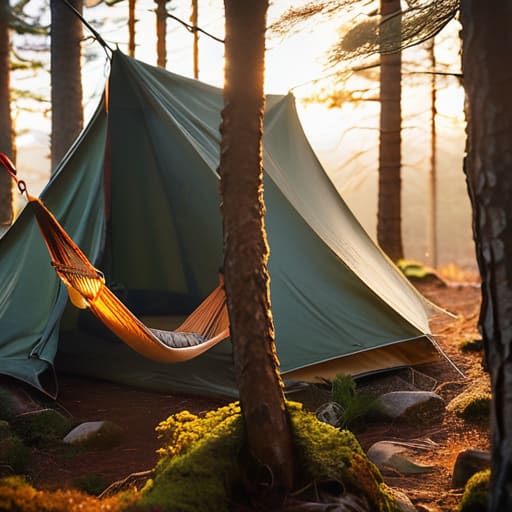
At the end of a long day of trekking, your sleeping position is more than just logistics; it’s the difference between waking up feeling revitalized or feeling like you’ve gone ten rounds in a wrestling ring. Whether you’re anchored to the earth or suspended in the air, this choice dictates your entire physiological relationship with the landscape you’ve spent all day exploring.
When you’re tucked into a tent on the ground, there’s a profound sense of stability—a feeling of being grounded and secure within the literal bones of the earth. However, you’re at the mercy of every rogue root or pebble that decides to poke your hip mid-dream. On the flip side, hanging in a hammock offers a rhythmic, cocoon-like embrace that mimics the gentle sway of a cradle. While it keeps you safely away from damp soil and crawling critters, you have to master the art of the “diagonal lay” to avoid that dreaded banana-shaped curve that leaves your spine protesting by sunrise.
For those seeking a sense of permanence and solid rest, the ground wins. But if you want to feel like a part of the forest’s movement, the hammock takes the prize. For this specific category, I’m declaring the hammock the winner for its ability to turn sleep into a sensory, rhythmic experience.
Tent Camping Weather Protection or the Canopys Gentle Embrace
When the sky turns a bruised shade of purple and the wind begins to howl through the trees, your choice of shelter stops being about comfort and starts being about survival and peace of mind. It’s the difference between feeling like you’re retreating into a fortress or surrendering to the elements.
A tent is your reliable, man-made sanctuary. When a sudden downpour hits, there is a profound sense of security in being tucked behind zipped mesh and waterproof flysheets, feeling completely shielded from the chaos of a storm. However, in heavy winds, that tent can become a drum, vibrating with every gust and making it hard to find your center.
Hammock camping, conversely, offers a more intimate dialogue with the weather. While a high-quality tarp provides excellent protection, you are much more aware of the rain’s rhythm and the wind’s direction. It’s a vulnerable kind of magic; you aren’t fighting the storm so much as you are dancing with it, though you’ll definitely want a top-tier rain fly if you value a dry night’s sleep.
For those who prioritize a sense of absolute security against the unpredictable, the tent takes the win here.
Finding Your Own Path Under the Stars
At the end of the day, choosing between a tent and a hammock isn’t about finding a “superior” piece of gear; it’s about deciding how you want to interface with the wild. If you crave the psychological security of a sturdy, weather-proof fortress and the ability to sleep on solid ground, the tent is your reliable companion. But, if your soul yearns to feel the rhythmic pulse of the forest and you don’t mind a bit of swaying, the hammock offers a level of immersion that a nylon floor simply can’t match. Whether you prefer the structured protection of a shelter or the gentle embrace of the canopy, both paths lead to the same magnificent destination: a deeper connection with the world around you.
As I look back on my own travels—from the misty coastal forests of my childhood to the rugged mountains where I’ve occasionally tripped over my own feet trying to learn a local folk dance—I’ve realized that the best gear is the kind that allows you to be truly present. Don’t let the technical specs or the fear of a little wind keep you from the trailhead. Pack your kit, step away from the paved roads, and go out there to find your own extraordinary rhythm. The wilderness is waiting to tell you its story; all you have to do is show up and listen.