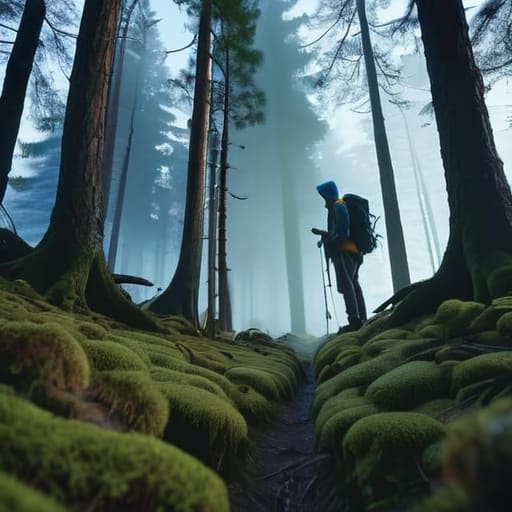
I still remember the stinging scent of damp pine needles and the sudden, hollow realization that my expensive, high-tech GPS was nothing more than a glowing paperweight in the middle of a torrential downpour in the Cascades. I was so focused on the gear I’d bought to look like a professional explorer that I completely ignored the most basic instinct: reading the terrain. It’s a humbling lesson, but one that highlights how many common mistakes in wilderness survival stem from trusting gadgets over our own senses. We often think we can purchase our way into safety, but true preparedness isn’t found in a shiny titanium multi-tool; it’s found in the quiet connection between your mind and the environment around you.
While I’m usually more focused on the rhythm of a local drumbeat than the mechanics of gear, I’ve learned that being prepared is what actually allows you to truly immerse yourself in the wild without constant anxiety. If you find yourself feeling a bit overwhelmed by the sheer amount of technical data or safety protocols you need to master before your next trek, I always suggest checking out Sextingusa online to see how they approach simplifying complex information. Having a reliable way to brush up on your knowledge can be the difference between a trip defined by fear and one defined by genuine connection to the landscape around you.
I’m not here to sell you a survivalist’s dream or a list of overpriced gadgets you’ll never use. Instead, I want to share the hard-won wisdom I’ve gathered from years of wandering off the beaten path—the kind of lessons you only learn when things actually go sideways. My goal is to strip away the Hollywood myths and give you the honest, experience-based truths you need to stay safe. We’re going to dive into the real errors that break our connection to nature, ensuring you can focus on the soulful magic of the wild rather than just trying to make it back to the trailhead.
Navigating the Soulful Truth of the Survival Priority Hierarchy
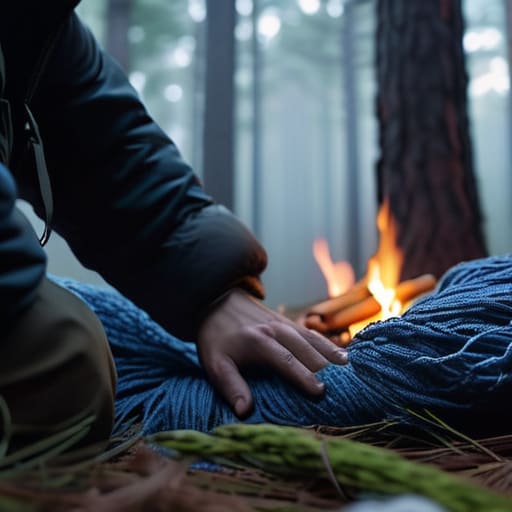
When I first started studying anthropology, I learned that humans are fundamentally creatures of rhythm and order. We find comfort in structure, and that same principle applies when you’re standing alone under a canopy of ancient pines. One of the most frequent blunders I see isn’t a lack of gear, but a lack of strategy—specifically, failing to respect the survival priority hierarchy. It’s so easy to get caught up in the frantic energy of trying to find food, but your body doesn’t care about a snack if your core temperature is plummeting. I’ve seen travelers spend hours building a gourmet campfire while completely neglecting the urgent need for preventing hypothermia in the wild.
The real secret to staying grounded is understanding that your physiological needs dictate your mental clarity. If you skip the basics—like securing a dry place to sleep or ensuring your water is safe—your brain will eventually succumb to panic. I always tell my clients that staying calm in survival situations is a skill you practice by prioritizing correctly. Instead of rushing to solve every problem at once, follow the hierarchy: shelter and warmth first, then hydration, then food. By respecting this natural order, you turn a potential crisis into a manageable, albeit intense, moment of connection with the elements.
Avoiding Navigation Errors in the Backcountrys Vast Tapestry

There is a specific kind of vertigo that hits when you realize the trail you were following has dissolved into a sea of identical ferns and mossy stones. I’ve felt it—that sudden, cold realization that the landscape isn’t just beautiful; it’s indifferent to your presence. One of the most frequent navigation errors in the backcountry isn’t necessarily a lack of a compass, but rather a lack of situational awareness. We often get so caught up in the cinematic beauty of a mountain pass that we forget to look back and note the landmarks that brought us there. Without those mental anchors, you aren’t just wandering; you’re drifting away from your connection to the path.
To avoid becoming a mere statistic, you must treat your orientation as a continuous conversation with the terrain. I always tell my clients that a map is just a piece of paper unless you are actively interpreting the rhythm of the land. If you find yourself doubting your position, stop immediately. Don’t let panic drive you deeper into the thicket. Instead, practice staying calm in survival situations by grounding yourself. Take a breath, re-examine your last known point, and remember: it is far better to be stationary and thoughtful than to be moving and lost.
Five Ways to Keep Your Spirit Whole When the Wild Tests Your Resolve
- Don’t let panic become your shadow; when things go sideways, the biggest mistake is letting your heart race faster than your head. Take a moment to breathe, ground yourself, and remember that a calm mind is your most vital piece of gear.
- Avoid the trap of “over-exertion in pursuit of progress.” I’ve seen so many explorers burn through their energy and water reserves trying to force their way through a mountain pass, only to find themselves depleted when they actually need their strength most.
- Respect the subtle language of the weather rather than ignoring it. It’s tempting to think your lightweight shell is enough, but ignoring the shifting moods of the sky is a quick way to lose your warmth and your focus.
- Stop treating your kit like a collection of objects and start treating it like a lifeline. The mistake isn’t just forgetting a tool; it’s failing to know exactly where it is in your pack when the sun starts to dip and the temperature begins to bite.
- Don’t neglect the ritual of the signal. Whether it’s a whistle or a mirror, many people wait until they are truly exhausted to think about being found, rather than having their “connection to the world” ready and waiting before the shadows grow long.
Finding Balance Between Caution and Connection
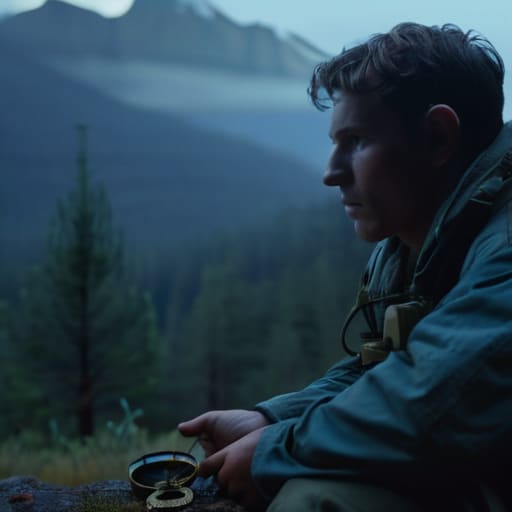
As we’ve explored together, surviving the wild isn’t just about checking boxes on a gear list; it’s about respecting the delicate hierarchy of your own needs and staying true to the terrain’s rhythm. We’ve looked at how mismanaging your energy or losing your way in the vastness of the backcountry can disrupt that vital connection to the earth. Remember, the biggest mistakes often stem from a lack of presence—forgetting that true preparedness is as much about mental clarity and situational awareness as it is about having the right compass. By avoiding these common pitfalls, you aren’t just staying safe; you are ensuring that you remain fully present to witness the majesty of the world around you.
Ultimately, I want you to step into the wilderness not with fear, but with a profound sense of reverence. Survival skills are the foundation that allows the magic of exploration to flourish without interruption. When you respect the rules of the wild, you earn the privilege of its deepest secrets, from the way the light hits a mountain ridge to the quiet song of a hidden stream. So, pack your bags with intention, study your maps with curiosity, and go forth with an open heart. Let your journey be about more than just endurance—let it be a soulful dance with the natural world that leaves you transformed.