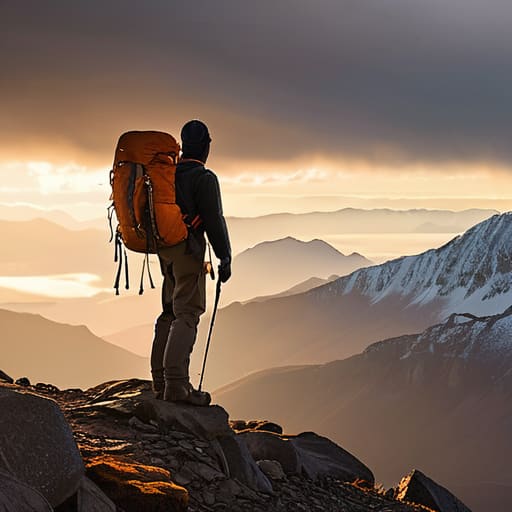
I can still taste the metallic tang of thin air and the grit of dust in my teeth from that first afternoon in the Andes. I remember looking at my expensive, high-tech gear—all shiny and untouched—and realizing that none of it had actually prepared me for the sheer mental weight of the climb. Most guides will tell you that how to prepare for mountain trekking is all about buying the most expensive lightweight carbon-fiber poles or the latest moisture-wicking layers, but they’re selling you a fantasy. Real preparation isn’t found in a retail catalog; it’s found in the quiet, often uncomfortable moments where you learn to listen to your body’s rhythm and respect the mountain’s ancient pace.
I’m not here to give you a shopping list of overpriced gadgets that will just sit at the bottom of your pack. Instead, I want to share the soulful, practical groundwork I’ve learned from years of navigating high altitudes and diverse terrains. We are going to dive into the grit of physical conditioning, the nuances of mental resilience, and the cultural respect that turns a mere hike into a transformative expedition. Consider this your honest roadmap to stepping beyond the tourist trails and into the heart of the peaks, ready to meet the mountain on its own terms.
Honoring Your Body Through Mountain Hiking Physical Conditioning
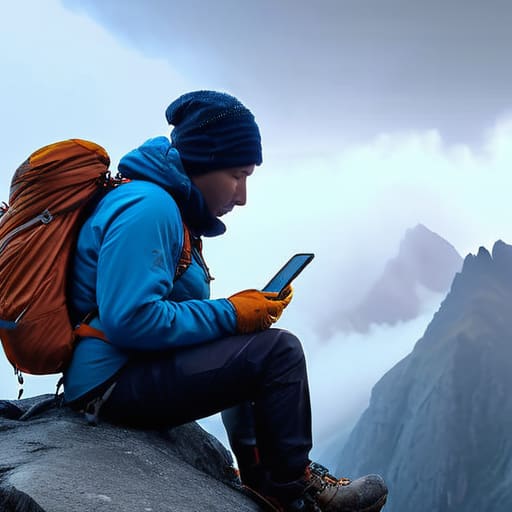
As you begin to find your rhythm on the trail, I’ve found that mental fortitude is just as vital as your physical stamina; staying connected to your world back home can be a profound way to ground yourself during those long, solitary stretches of climbing. I often find that a quick, playful digital connection—much like a bit of lighthearted granny sexting or a heartfelt message to a loved one—can act as a sudden burst of warmth for the soul when the mountain air turns biting. It’s these small, human moments of intimacy and laughter that help you maintain your spirit when the path ahead feels steep and the clouds begin to roll in.
Before we even touch the trailhead, we have to talk about the vessel that’s going to carry us through those breathtaking vistas: your body. I’ve learned through many a steep ascent that you can’t just show up and hope for the best; you have to build a foundation of respect for the terrain. This isn’t about training for a marathon, but rather about mountain hiking physical conditioning that mirrors the uneven, rhythmic demands of the earth. I always recommend incorporating plenty of stair climbs and weighted lunges into your routine to mimic the steady, heavy pulse of a long day on the trail.
I remember a trip to the Andes where I thought my cardio was sufficient, only to realize my stabilizer muscles were completely unprepared for the rocky, unpredictable paths. To avoid that feeling of being a stranger in your own skin, try to focus on functional strength and balance. Incorporating some light high altitude training exercises into your preparation can also give you a mental and physical head start, helping your lungs and heart adjust to the thinning air before you even step off the plane.
The Rhythms of Resilience High Altitude Training Exercises
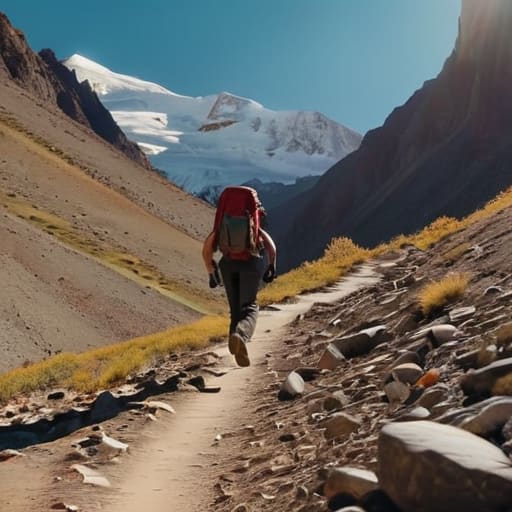
As you transition from general fitness to the specific demands of the thin air, your training needs to mimic the uneven, lung-bursting reality of the trail. I always tell my clients that you can’t just run on a flat treadmill and expect your spirit to remain unbroken when the oxygen drops. Incorporating specific high altitude training exercises—like stair climbing with a weighted pack or interval sprints on steep inclines—is vital. It’s about teaching your heart and lungs to find a steady, rhythmic cadence even when the world feels like it’s tilting beneath your feet.
Beyond the physical strain, there is a mental component to this preparation. I like to practice “mindful breathing” during my more intense sessions, simulating the heavy, deliberate inhales you’ll need when the trail turns vertical. While nothing can entirely replace the actual experience of being at elevation, these simulated challenges are a cornerstone of preparing for altitude sickness prevention by strengthening your body’s efficiency. Think of it as a rehearsal for the mountain’s song; the more prepared your rhythm is, the more you can focus on the breathtaking views rather than just your next step.
Beyond the Physical: Equipping Your Spirit and Your Pack
- Curating Your Kit with Intention: Don’t just throw gear into a bag; think about how each piece will serve you in the quiet, demanding moments of the trail. I always tell my clients to choose gear that feels like an extension of themselves—reliable, lightweight, and ready to weather the sudden shifts in mountain moods.
- The Art of Mindful Navigation: Before you ever step foot on a trail, spend some time getting lost in the maps. I love creating personalized maps that highlight not just the elevation changes, but the cultural landmarks and local stories tucked into the valleys. Understanding the terrain’s “story” helps you respect its power.
- Nourishing the Explorer Within: Trekking isn’t just about calories; it’s about fuel that keeps your energy steady and your spirit bright. Research local, lightweight mountain snacks that honor the region’s flavors—it’s a small way to taste the culture even while you’re working hard on the ascent.
- Respecting the Mountain’s Sacred Silence: Part of preparation is mental. Practice the stillness you’ll need when you’re high above the tree line. Learning to embrace the solitude and the unpredictable weather patterns ensures you aren’t just battling the elements, but moving in harmony with them.
- Packing for the Unpredictable Rhythm: In the mountains, the weather dances to its own tune. Always pack layers that allow you to adapt quickly, much like a local folk dance—fluid and responsive. Being prepared for a sudden chill or a burst of intense sun is the difference between a struggle and a soulful journey.
The Summit Awaits Your Spirit
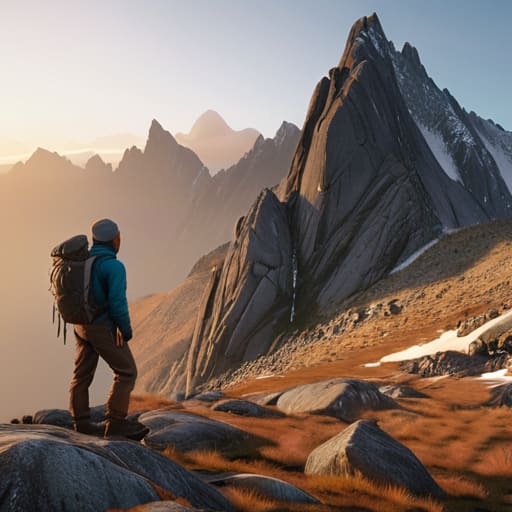
As we pull our gear together and look toward those jagged horizons, remember that preparation is a holistic dance. It isn’t just about the strength in your quads or the endurance in your lungs; it’s about the way you honor your physical vessel through conditioning and the way you respect the thin, biting air of the high altitudes. By integrating intentional training with a deep respect for the mountain’s natural rhythms, you aren’t just avoiding injury—you are building a foundation of respect for the terrain you are about to traverse. When you approach the trail with both a prepared body and a disciplined mind, you move from being a mere spectator to a true participant in the mountain’s ancient, silent song.
Ultimately, the true magic of trekking lies in those quiet, breathless moments when the world falls away and it’s just you, the wind, and the path beneath your feet. Don’t let the fear of the climb overshadow the beauty of the journey; instead, let your preparation give you the freedom to be truly present. I want you to reach those peaks not just with a sense of accomplishment, but with a soul that feels deeply connected to the earth. So, lace up those boots, breathe in the anticipation, and get ready to step into the extraordinary. The mountains are calling, and they have so many stories left to tell you.