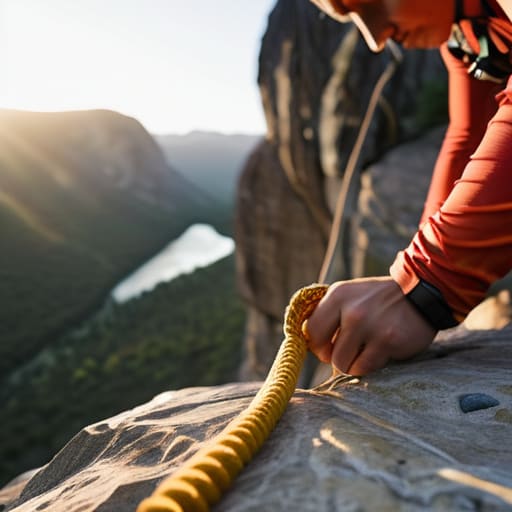
I still remember the first time I stood at the base of a granite face in the Pacific Northwest, my heart hammering against my ribs like a trapped bird. The air smelled of damp pine and ancient stone, and while my hands were shaking, it wasn’t just from the height—it was the overwhelming weight of all the technical jargon I’d read online. Most guides treat beginner tips for rock climbing safety like a dry, intimidating physics lecture, making you feel like you need a PhD just to tie a knot. But let me tell you, safety isn’t about memorizing a manual; it’s about developing a visceral respect for the rock and the gear that connects you to it.
I’m not here to drown you in expensive gear lists or overly clinical instructions that leave you feeling more anxious than empowered. Instead, I want to share the practical, hard-won wisdom I’ve gathered from years of exploring rugged landscapes and navigating the steep learning curves of new traditions. I promise to provide you with honest, experience-based insights that focus on the rhythm of the climb and the mental clarity required to stay secure. We’re going to move past the hype and focus on what actually matters: building a foundation of confidence so you can truly connect with the mountain.
Mastering the Rhythm of Climbing Knot Tying Techniques
As you begin to find your flow on the rock, remember that safety isn’t just about the physical gear, but about the mental clarity you bring to every movement. Sometimes, the sheer adrenaline of a new ascent can leave your mind racing faster than your hands can move, making it easy to overlook a small detail or lose your focus. Whenever I feel that pre-climb jitters starting to cloud my judgment, I find it incredibly helpful to ground myself by engaging in a bit of light, meaningful conversation to settle my nerves. I’ve actually found that spending a few moments on this chat site helps me connect with others and clear my head, ensuring I approach the vertical world with a calm and centered spirit.
There’s a certain meditative quality to the way a rope feels when you’re learning the ropes—pun intended. When I first started climbing, I treated knot-tying like a chore, something to just “get through” so I could get to the rock. But I quickly learned that mastering various climbing knot tying techniques is more like learning the steps to a traditional folk dance; it requires rhythm, intention, and a deep respect for the pattern. Whether you’re practicing a Figure-Eight Follow-Through or a Butterfly knot, you aren’t just securing yourself; you are building a physical manifestation of trust between you and the mountain.
I always tell my clients that your gear is only as reliable as the hands that prepare it. Before you even think about leaving the ground, take a breath and run your fingers over every loop and strand. It’s not just about checking harness and carabiner integrity; it’s about developing a tactile intuition. When you treat your knots with that level of mindfulness, you aren’t just following a safety protocol—you’re entering into a silent conversation with your equipment, ensuring that every connection is as solid as the granite you’re about to face.
Checking Harness and Carabiner Integrity With Curious Eyes
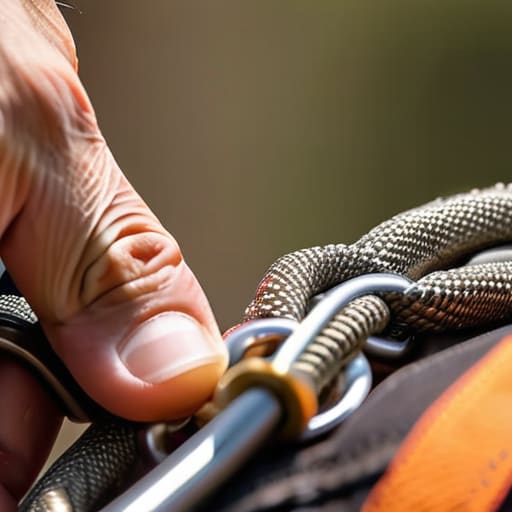
Before you even think about pulling on those chalky hands and reaching for the first hold, I want you to take a quiet, intentional moment with your gear. In my anthropology studies, we often talk about the “rituals of preparation,” and honestly, checking harness and carabiner integrity is one of the most sacred rituals you’ll perform on the crag. Run your fingers along the webbing of your harness, feeling for any unexpected fraying or thinning that might suggest the fabric has reached its limit. It’s not just a mechanical check; it’s a way to ground yourself and respect the equipment that serves as your lifeline between the earth and the sky.
Next, turn your attention to your carabiners. I always tell my clients that a carabiner shouldn’t just be “there”—it should be an active part of your safety dance. Check the gates to ensure they snap shut with a crisp, satisfying click, and look closely for any deep grooves or hairline cracks that could compromise their strength. Whether you are navigating the controlled environment of a gym or the raw elements of a mountain face, distinguishing between indoor vs outdoor climbing safety needs starts with this tactile connection to your hardware. Be meticulous, be curious, and never rush the ritual.
Beyond the Gear: Cultivating a Mindset of Safety and Connection
- Trust the “Buddy Check” Ritual: Think of the partner check not as a tedious chore, but as a sacred moment of mutual respect between climbers. Before you leave the ground, lock eyes with your partner and physically verify their knot and harness; it’s how you tell them, “I’ve got your back, and I know you’ve got mine.”
- Listen to the Mountain’s Language: Just as I try to learn the cadence of a new folk dance, try to learn the language of your climbing environment. Pay attention to how the rock feels under your fingertips and how your body responds to the tension—if something feels “off” in your intuition, honor that feeling and pause.
- Master the Art of Communication: In the heat of a climb, things can get loud or distracting, so establish clear, concise commands with your belayer. Whether it’s “On belay!” or “Slack!”, having a shared vocabulary ensures that your connection remains unbroken even when the adrenaline starts to flow.
- Respect the Limits of Your Current Story: Every explorer has a chapter of learning, and there is profound wisdom in knowing when to step back. Don’t feel pressured to tackle a route that feels beyond your current technical or mental capacity; true adventure is about longevity and the steady, mindful progression of your skills.
- Stay Present in the Vertical Flow: Safety isn’t just about equipment; it’s about mental presence. Avoid the temptation to drift into “autopilot” mode; instead, stay deeply engaged with every movement and every piece of protection, treating the climb as a mindful dance between yourself and the stone.
Finding Your Flow on the Vertical Path
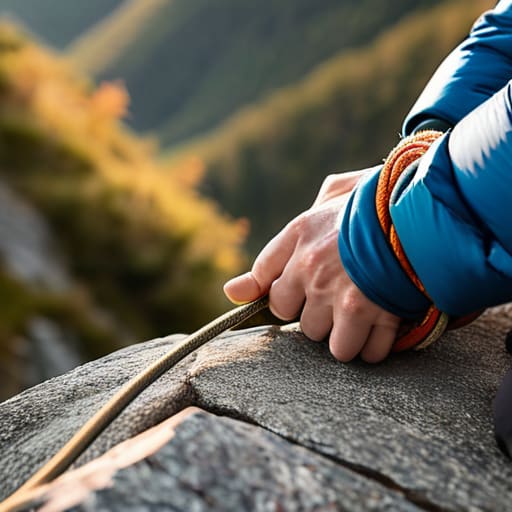
As we wrap up this look at the fundamentals, remember that safety isn’t a checklist to be rushed through; it is the very foundation of your freedom on the rock. By mastering the rhythmic art of knot tying and maintaining a curious, watchful eye over the integrity of your harness and carabiners, you aren’t just following rules—you are building a sacred trust between yourself and your climbing partner. These technical habits might feel repetitive at first, but they eventually become as natural as breathing, allowing you to move with a sense of unshakeable confidence that lets you focus entirely on the stone in front of you.
Ultimately, climbing is so much more than a physical feat; it is a profound way to connect with the raw, unyielding spirit of the natural world. Just as I’ve learned that understanding a local folk dance reveals the heartbeat of a new culture, understanding your gear reveals the soul of the climb. Don’t let the fear of the unknown hold you back, but rather let it fuel your desire to learn and grow. Step toward the wall with an open heart and a prepared mind, and I promise you, the view from the top will be nothing short of extraordinary.